


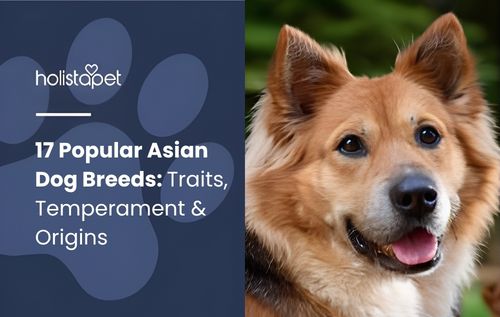
Asian dog breeds combine loyalty, intelligence, and charm shaped through centuries across Asia. From the affectionate Shih Tzu to the athletic Thai Ridgeback, these breeds continue to win hearts around the world as beloved companions. Readers interested in exploring more canine types can also browse additional dog breed guides.
Many Asian breeds were originally developed for hunting, guarding, companionship, and survival in challenging environments. Today, they are admired for their unique appearances, strong personalities, and deep bonds with their families.
Here are some of the cutest Asian dog breeds known for their history, personality, and unforgettable looks.
Why Are Asian Dog Breeds Unique?

Asian dog breeds stand out for their ancient lineage, adaptability, and strong genetic diversity shaped across thousands of years in regions like China, Japan, and South Korea.
A 2023 genomic study published in iScience found that native Asian dogs such as the Jindo, Shiba Inu, and Tibetan breeds share deep ancestral roots connected to Southeast Asia and East Asia, with some lineages tracing back between 2,000 and 11,000 years.
Researchers also noted that many of these dogs developed distinct temperaments, intelligence, and survival traits through life in mountainous areas and harsh climates.
What Are the Most Popular Asian Dog Breeds?
Asian dog breeds come from some of the oldest canine lineages in the world. Many were originally bred for hunting, guarding, companionship, and survival in harsh environments across China, Japan, Korea, Tibet, and Southeast Asia.
|
Breed |
Origin |
Originally Bred For |
Personality Traits |
Size |
|
Shih Tzu |
China |
Companionship |
Affectionate, calm |
Small |
|
Pekingese |
China |
Royal companion |
Loyal, aloof |
Small |
|
Pug |
China |
Lap dog |
Playful, loving |
Small |
|
Chow Chow |
China |
Hunting and guarding |
Independent, strong |
Medium |
|
Shiba Inu |
Japan |
Hunting |
Alert, intelligent |
Small |
|
Lhasa Apso |
Tibet |
Monastery guard |
Confident, loyal |
Small |
|
Akita |
Japan |
Large game hunting |
Protective, calm |
Large |
|
Japanese Chin |
Japan |
Companion |
Charming, gentle |
Small |
|
Bangkaew |
Thailand |
Guarding |
Energetic, protective |
Medium |
|
Thai Ridgeback |
Thailand |
Hunting and guarding |
Agile, independent |
Medium |
|
Shar Pei |
China |
Farm and guard work |
Calm, devoted |
Medium |
|
Jindo |
South Korea |
Hunting |
Loyal, alert |
Medium |
|
Sapsali |
Korea |
Companionship |
Friendly, gentle |
Medium |
|
Tibetan Mastiff |
Tibet |
Livestock guarding |
Strong, protective |
Large |
|
Formosan Mountain Dog |
Taiwan |
Hunting |
Agile, intelligent |
Medium |
|
Kishu Ken |
Japan |
Boar hunting |
Focused, loyal |
Medium |
|
Tosa Inu |
Japan |
Guarding |
Calm, courageous |
Large |

1. Shih Tzu
The Shih Tzu originated in China and once lived in royal palaces during ancient times. This small breed gained popularity for its long hair, affectionate personality, and calm nature. Families often choose Shih Tzus as indoor pets because they thrive in smaller homes and enjoy rest beside their favorite people.
2. Pekingese
The Pekingese developed in imperial China and served as a companion dog for Chinese royalty. Its lion-like coat and confident attitude helped it become one of the most recognizable Asian dog breeds. This breed stays loyal to family members and often acts aloof around strangers.
3. Pug
Pugs originated in China over thousands of years ago as lap dogs for emperors. Their wrinkled face, curled tail, and playful personality helped them spread across Europe and the rest of the world. Pugs love attention and usually form strong bonds with people inside the house.
4. Chow Chow

The Chow Chow ranks among the oldest dog breeds in Asia. Originally bred in northern China, this powerful breed worked in hunting, guarding, and pulling carts. Dog lovers continue to admire the Chow Chow for its thick coat, blue-black tongue, and dignified personality.
5. Shiba Inu

The Shiba Inu comes from Japan and originally hunted small animals in mountainous areas. With its fox-like appearance and bold attitude, the Shiba Inu stands out for its alert and adaptable nature. Many owners admire the Shiba Inu for its agility, clean habits, and bold personality.
6. Lhasa Apso

The Lhasa Apso originated in Tibet and guarded monasteries for centuries. Monks valued this breed for its alertness and sharp hearing during the night. Although compact in size, the Lhasa Apso carries a confident personality and forms strong bonds with its family.
7. Akita
The Akita developed in Japan as a hunting and guard dog for large animals like boar and bear. This powerful breed is known for its composed temperament and devotion to family. Akitas usually stay reserved near strangers but show fierce loyalty to their family.
8. Japanese Chin
The Japanese Chin became popular among nobles in Japan because of its graceful appearance and charming behavior. This breed enjoys companionship and adapts well to apartment living. Its silky coat and expressive face make it a favorite among small dog lovers.
9. Bangkaew
The Thai Bangkaew Dog originated in Phitsanulok Province, Thailand. Farmers originally bred these dogs for guarding homes and livestock. Bangkaews are energetic watchdogs with strong territorial instincts.
10. Thai Ridgeback

The Thai Ridgeback originated in Thailand and remains known for the ridge of hair growing in the opposite direction along its back. Historically used for hunting and property protection, the Thai Ridgeback remains highly agile and independent today. Thai Ridgebacks show strong independence, agility, and loyalty.
11. Shar Pei

The Chinese Shar Pei developed in southern China as a guard and farm dog. Its loose skin and deep wrinkles gave the breed a unique look that boosted its popularity worldwide. Calm and observant by nature, the Shar Pei may appear reserved around unfamiliar people.
12. Jindo

Known for exceptional loyalty and intelligence, the Jindo became a respected hunting companion in South Korea. Hunters originally used these dogs to track deer and wild boar. Jindos develop strong bonds with their owners and are known for their cleanliness and attentiveness.
13. Sapsali
The Sapsali, also called the Sapsaree, originated in Korea and carries a long flowing coat. Korean legend considered these dogs symbols that chased away evil spirits. Their gentle temperaments and friendly personality make them excellent family pets.
14. Tibetan Mastiff
The Tibetan Mastiff developed in Tibet to guard villages, monasteries, and livestock in cold mountainous areas. This giant breed carries immense strength, thick hair, and natural protective instincts. Tibetan Mastiffs need proper exercise, training, and care to stay healthy and safe around other dogs like Kintamani.
15. Formosan Mountain Dog
The Formosan Mountain Dog originated in Taiwan and adapted to rugged forest terrain for centuries. Indigenous communities valued this breed for hunting and guarding abilities. These dogs stay agile, intelligent, and deeply loyal to their owners.
16. Kishu Ken
The Kishu Ken comes from Japan and originally hunted wild boar in dense forests. This rare breed shows quiet confidence and strong focus during outdoor activities. Kishu dogs also develop close bonds with family members and enjoy active lifestyles.
17. Tosa Inu
The Tosa Inu was developed in Japan as a powerful fighting and guard breed. Breeders combined native Japanese dogs with larger breeds from Europe to create its muscular build. Despite its intimidating size, the Tosa Inu often stays calm and patient inside the right home.
What Health Problems Are Common in Asian Dog Breeds?

Yes, many Asian dog breeds face health concerns linked to their size, body structure, coat type, or genetics. Early care, regular exercise, proper grooming and routine veterinary visits may help reduce the risk of common health problems.
Pet owners researching long-term canine wellness may also enjoy reading about what is the healthiest dog breed for different lifestyles.
- Hip dysplasia: Large breeds like the Akita and Tibetan Mastiff may develop joint discomfort and mobility problems over time.
- Brachycephalic syndrome: Flat-faced breeds such as Pugs and Pekingese may experience breathing difficulties and heat sensitivity.
- Skin infections: Shar Peis may be more prone to irritation and infections because of their deep skin folds.
- Eye conditions: Shih Tzus and Japanese Chins can develop dry eye, cataracts, or corneal issues related to their eye structure.
- Allergies: Some dogs may experience itching, ear irritation, or hair loss triggered by food or environmental factors.
- Obesity: Smaller companion breeds can gain excess weight without proper nutrition and exercise.
- Heat intolerance: Thick-coated dogs originally bred for colder climates may struggle in hot weather.
- Anxiety and stress: Alert breeds like the Jindo and Shiba Inu may become reactive without early socialization and mental stimulation.
How Should You Care for Asian Dog Breeds?

Asian dog breeds need proper grooming, daily exercise, balanced nutrition, and early training to stay healthy and happy. Their care often depends on their coat, size, energy level, and temperament.
Understand the Breed’s Personality
Asian dogs often show strong loyalty, intelligence, and alertness.
- Start socialization early
- Use consistent training routines
- Give independent breeds enough space
- Supervise interactions with strangers and other dogs
A 2021 study published in Scientific Reports found that genetics strongly influence canine behavior traits like fear, aggression, and trainability across dog breeds.
Keep Up With Grooming
Many Asian dog breeds have thick coats or long hair that need regular care.
- Brush double-coated breeds several times weekly
- Clean wrinkles on Pugs and Shar Peis
- Trim nails and check ears often
- Bathe only when necessary
Provide Daily Exercise
Breeds like the Shiba Inu, Jindo, and Thai Ridgeback thrive with physical activity.
- Take daily walks
- Use puzzle toys for mental stimulation
- Allow safe outdoor play
- Adjust exercise based on age and health
Support Joint Health
Large breeds from mountainous areas may develop mobility concerns as they age.
- Maintain a healthy weight
- Avoid excessive strain on joints
- Monitor stiffness or limping
- Speak with a veterinarian about mobility support options
Some owners may also study wellness supplements that support relaxation and mobility as part of overall pet care routines. Always consult a veterinarian before introducing new supplements.
Help Dogs Stay Calm
Some Asian dog breeds are naturally alert and sensitive to unfamiliar environments.
- Keep routines consistent
- Create a quiet resting space
- Introduce changes gradually
- Use positive reinforcement during stressful situations
Some calming supplements include ingredients such as chamomile, L-theanine, and CBD, which may help support relaxation in dogs during travel, loud noises, or unfamiliar experiences.
The American Veterinary Medical Association recommends consulting a veterinarian before adding CBD products or supplements to a dog’s routine, as research on long-term use is still ongoing.
For dogs with nighttime restlessness or travel-related stress, some owners explore options such as vet-recommended melatonin for dogs.
Frequently Asked Questions
Are Asian dog breeds easy to train?
Many Asian dog breeds are intelligent, but some are independent. Consistent training and positive reinforcement work best.
Which Asian dog breed requires the least grooming?
The Thai Ridgeback requires minimal grooming due to its short coat.
Do Asian dog breeds get along with other pets?
Some do well, but hunting breeds like Shiba Inu and Jindo may have a strong prey drive. Early socialization helps.
Which Asian dog breed lives the longest?
Smaller breeds like Shih Tzu, Pekingese, and Lhasa Apso often live longer (12–16 years).
What is the rarest Asian dog breed?
The Formosan Mountain Dog and Kishu Ken are among the rarest outside their native regions.
People comparing family-friendly companions may also enjoy reading our article about our can golden retrievers be black guide.








Leave a comment
All comments are moderated before being published.
This site is protected by hCaptcha and the hCaptcha Privacy Policy and Terms of Service apply.