


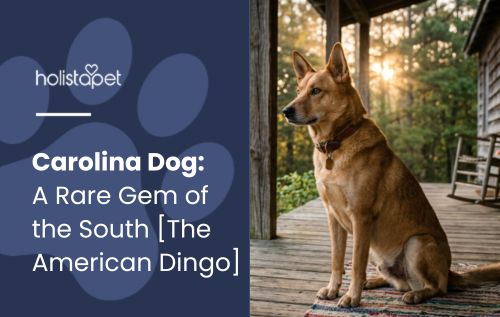
The Carolina Dog, often called the American Dingo or Dixie Dingo, is a rare primitive dog breed native to the southeastern United States. Known for its wild ancestry, intelligence, and independent nature, this breed has survived for thousands of years with minimal human intervention.
Originally discovered in remote areas of South Carolina and Georgia, Carolina Dogs are believed to be descendants of ancient dogs that accompanied early humans into North America. Today, they are valued for their loyalty, athleticism, and unique appearance — qualities shared by many fascinating dog breed traits.
This guide covers Carolina Dog history, temperament, size, exercise needs, health concerns, grooming requirements, and whether this rare breed is the right companion for your family similar considerations covered in resources like the AKC: Complete Dog Breed Directory.
Carolina Dog at a Glance
|
Trait |
Details |
|
Breed Type |
Primitive Dog Breed |
|
Other Names |
American Dingo, Dixie Dingo |
|
Size |
Medium |
|
Weight |
30-55 pounds |
|
Height |
17-24 inches |
|
Lifespan |
12-15 years |
|
Temperament |
Loyal, intelligent, independent |
|
Exercise Needs |
High |
|
Grooming Needs |
Low |
|
Good With Families |
Yes, with proper socialization |
|
AKC Status |
Foundation Stock Services |
Getting To Know the Carolina Dog

The Carolina Dog is a rare primitive breed believed to have lived in North America for thousands of years. Often called the American Dingo or Dixie Dingo, these dogs were discovered living in remote areas of the southeastern United States and are thought to be descendants of ancient dogs that accompanied early human populations into North America.
Today, Carolina Dogs are valued for their intelligence, athletic ability, adaptability, and strong bonds with their families. While they retain some primitive instincts, proper training and socialization can help them become well-adjusted household companions.
What Makes the Carolina Dog Unique?

Unlike many modern breeds developed through selective breeding programs, the Carolina Dog evolved with relatively little human intervention. Researchers believe this natural development contributed to the breed's strong survival instincts, physical resilience, and distinctive appearance.
Many Carolina Dogs have a yellow, tan, or ginger-colored coat that blends naturally into outdoor environments. Their alert expression, upright ears, and fishhook-shaped tail are among the breed's most recognizable characteristics.
History and Origins

Researchers believe the ancestors of the Carolina Dog may have accompanied early humans across the Bering Land Bridge thousands of years ago. Genetic studies have identified similarities between Carolina Dogs and certain East Asian dog populations, supporting theories of ancient migration.
For generations, Carolina Dogs lived in remote regions of the southeastern United States, particularly in parts of South Carolina and Georgia. Some populations survived with minimal human contact, allowing many primitive characteristics to remain intact.
Physical Characteristics

Size, Weight, and Build
The Carolina Dog is a medium-sized breed with a lean, athletic build. Adults typically weigh between 30 and 55 pounds and stand approximately 17 to 24 inches tall at the shoulder. Their body structure supports endurance, agility, and efficient movement.
Coat Type and Grooming Needs
Carolina Dogs have a short, dense coat that requires relatively little maintenance. Common coat colors include yellow, tan, cream, ginger, and sable variations.
Weekly brushing is usually sufficient to remove loose hair and maintain coat health. Seasonal shedding may require more frequent grooming.
Tail and Ear Characteristics
If there's one feature that instantly gives away a Carolina Dog, it's that signature fishhook tail. This curved beauty is like a built-in communication tool. When a Carolina Dog feels relaxed, the tail curls up over their back. When they're on high alert, it straightens out like a signal flag, letting you know they're paying attention.
Temperament and Personality
Carolina Dogs are known for their intelligence, independence, and loyalty. While they often form strong attachments to their families, they may be reserved around unfamiliar people.
Their independent nature can make training more challenging than with some companion breeds, but positive reinforcement and consistency typically produce the best results a contrast worth noting when comparing them to how are bully breeds dogs respond to similar methods.
Are Carolina Dogs Good Family Pets?
Carolina Dogs can make excellent family companions for active households. They often develop strong bonds with family members and may do well with children when properly socialized.
Because they can be cautious around strangers, early socialization is important to encourage confidence and positive interactions.
Loyalty and Independence
The Carolina Dog's loyalty is often balanced by a strong sense of independence. Unlike breeds that constantly seek attention, Carolina Dogs may enjoy spending time alone while still maintaining close relationships with their owners.
Training and Socialization
Early socialization and consistent training are important for Carolina Dogs. Exposing puppies to different people, environments, and experiences can help build confidence and reduce fearful behaviors.
Reward-based training methods generally work best, as harsh corrections may reduce trust and cooperation a principle that also applies to other sensitive breeds like the english springer spaniel.
Exercise Requirements
Carolina Dogs are active and energetic. Most benefit from at least 60 to 90 minutes of daily exercise combined with mental enrichment activities.
Without adequate physical activity and stimulation, some dogs may develop undesirable behaviors related to boredom.
Best Activities for Carolina Dogs
-
Hiking
-
Trail running
-
Long walks
-
Agility training
-
Scent work
-
Interactive puzzle games
-
Fetch
-
Frisbee
These activities may help support both physical fitness and mental engagement.
Nutrition and Feeding
A balanced diet formulated for a dog's age, size, and activity level can help support overall health.
Recommended Diet Components
-
High-quality dog food with animal protein as a primary ingredient, along with a daily dog multivitamin to fill any nutritional gaps
-
Lean protein sources such as chicken, turkey, fish, or beef
-
Healthy fats containing omega-3 and omega-6 fatty acids
-
Fruits and vegetables that provide vitamins and antioxidants
-
Fresh water available at all times
Portion Guidelines
Portion sizes vary based on age, weight, metabolism, and activity level.
-
Puppies generally require three to four meals daily.
-
Adults typically do well with two meals per day.
-
Senior dogs may benefit from adjusted calorie intake based on activity and veterinary recommendations.
Pet owners should consult their veterinarian for individualized feeding guidance.
Common Health Concerns
Carolina Dogs are generally considered a healthy breed, but they may still experience certain health issues.
Potential concerns include:
-
Joint problems associated with aging
-
Heart-related conditions
-
Allergies and skin sensitivities
-
Dental disease
Routine veterinary care may help identify and manage health concerns early.
Supporting Your Carolina Dog's Health

Several factors may help support long-term health and wellness:
-
Regular veterinary examinations
-
Appropriate daily exercise
-
Balanced nutrition
-
Weight management
-
Dental care
-
Mental enrichment
Preventive care and early intervention can contribute to a better quality of life throughout the dog's lifespan.
Creating a Comfortable Environment
Carolina Dogs often thrive in environments that provide both structure and opportunities for activity.
Consider the following:
-
Provide a secure resting area
-
Maintain a consistent daily routine
-
Offer enrichment toys and activities
-
Ensure outdoor areas are safely enclosed
-
Allow opportunities for exercise and understanding
For dogs that experience stress related to environmental changes or separation, hemp dog treats may help support a calm and relaxed state.
Final Thoughts
The Carolina Dog is a unique primitive breed with a long history in North America. Known for its intelligence, athleticism, and loyalty, this rare breed can be a rewarding companion for active owners who understand its independent nature.
Before bringing any dog home, prospective owners should research breed characteristics carefully and evaluate whether the dog's exercise, training, and socialization needs align with their lifestyle.
FAQs
What Is a Carolina Dog?
The Carolina Dog is a rare dog breed often called the American Dingo or Dixie Dingo. Many experts believe these ancient dogs descended from the first dogs that traveled with the first humans into North America from East Asia, crossing the Bering Land Bridge. Today, the breed is recognized by the United Kennel Club, while the American Kennel Club includes it in its Foundation Stock Service.
Why Is the Carolina Dog Called the American Dingo?
The breed earned the nickname American Dingo because it resembles Australian Dingos, including in appearance, survival instincts, and primitive characteristics. Many people also call them Dixie Dingoes because they were first documented in the southeastern United States, particularly near the Georgia-South Carolina border and throughout South Carolina.
Are Carolina Dogs Related to Wild Dogs?
Yes. Carolina Dogs are considered one of the closest living examples of primitive dogs in North America. They were once free-ranging dogs living in remote rural areas, and some populations survived with minimal human intervention. Although they resemble wild dogs, they are classified as Canis familiaris, which means they are fully domesticated.
What Does a Carolina Dog Look Like?
The general appearance of a Carolina Dog includes a lean, medium-sized body, upright ears, an alert expression, and a short coat. Their coloring may include reddish ginger, dark brown, black and tan, or various shades of yellow with pale buff markings and subtle red accents. Their eyes are often almond-shaped, and their athletic build features strong hind legs and agile movement.
What Are “Yaller Dogs”?
"Yaller dogs" is a traditional Southern nickname for Carolina Dogs due to their yellow or tan coloring. The term became popular because many lighter-colored dogs blended naturally into tall grass and wooded environments where they once lived.
Are Carolina Dogs Good Family Pets?
Yes. While Carolina Dogs are generally shy around strangers, they often become deeply loyal to their families much like other devoted companion breeds highlighted in the VCA: Selecting a Dog Breed guide. A well-socialized Carolina Dog can be affectionate, intelligent, and protective. Owners frequently describe them as excellent companions when raised with patience and consistency.
Do Carolina Dogs Get Along With Other Dogs?
Most Carolina Dogs can live successfully with other dogs when properly socialized. However, their extreme pack mentality may influence how they interact. Some owners report that they bond closely with only other dogs they know well. Early exposure to two dogs or larger groups can help encourage positive social behavior.
Are Carolina Dogs Good With Small Animals?
Carolina Dogs have a strong prey drive due to their history of hunting small game. They may chase squirrels, rabbits, or other small pets if not trained and supervised. Early socialization is important when introducing them to cats or smaller household animals.







Leave a comment
All comments are moderated before being published.
This site is protected by hCaptcha and the hCaptcha Privacy Policy and Terms of Service apply.