

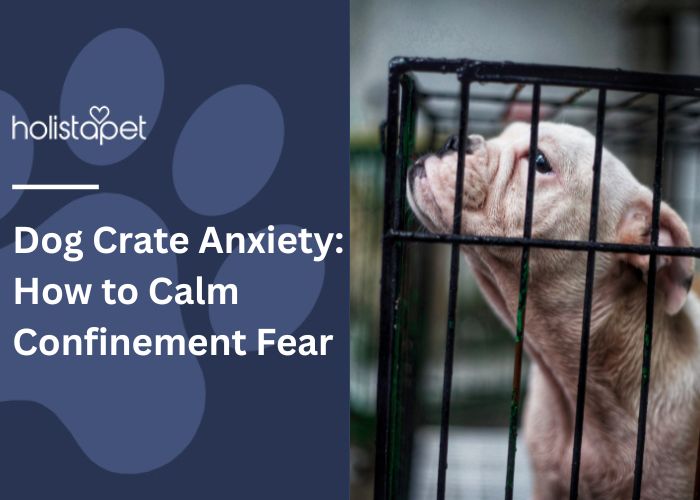
Dog crate anxiety can turn a simple nap spot into a scene of chaos. Some dogs see the crate as a confining cage rather than a safe space, and that POV can leave them upset.
However, with a patient strategy, even a nervous dog can grow to love their crate. Using gentle guidance, tasty incentives, and a calm atmosphere helps your pup realize their kennel isn't a timeout zone it's a secure, cozy sanctuary for relaxation and there are plenty of tips for dog owners to make that transition smoother.
What Is Dog Crate Anxiety?

Dog crate anxiety refers to stress or fear a dog experiences when placed inside a crate or enclosed space. Instead of viewing the crate as a safe resting area, the dog may associate it with isolation, confinement, or negative experiences.
This emotional response can develop gradually or appear suddenly depending on the dog’s history and environment.
With consistent and positive training, many dogs can learn to feel more comfortable and secure in their crate over time.
Common Signs of Crate Anxiety in Dogs
 Crate anxiety can look different from one dog to another, but the clues usually stand out. Spotting these early helps prevent bad habits from growing. Here's what you should keep an eye out for:
-
Excessive Barking, Whining, or Howling. Dogs may make noise to express agitation or ask for release.
-
Scratching or Biting at the Crate. A dog might try to escape when feeling trapped.
-
Drooling, Panting, or Pacing. These are physical signs of agitation.
-
Accidents or Refusal to Enter the Crate. Fearfulness often shows through avoidance or loss of control.
What Causes Crate Anxiety in Dogs?
Crate anxiety can develop for several reasons, often related to past experiences or training methods.
1. Negative or Traumatic Experiences
Dogs that have been confined for long periods or associated the crate with punishment may develop fear-based responses.
2. Separation Anxiety
Some dogs become distressed when separated from their owners, and the crate may intensify that feeling a topic explored in depth by AKC: Dog Anxiety — Everything You Need to Know for owners trying to understand the root of the behavior.
3. Lack of Proper Crate Training
Introducing a crate too quickly or without positive reinforcement can lead to resistance or fear.
4. Excess Energy or Overstimulation
Dogs placed in a crate without sufficient physical or mental activity may feel restless and anxious and supplementing with our magnesium for dogs may help support a calmer baseline before crate time.
Understanding the cause is an important step in addressing the behavior effectively
Why Crate Training Can Be a Positive Experience
When introduced properly, crate training can help dogs develop a sense of routine, safety, and structure.
A crate can serve as:
-
A quiet resting space
-
A personal den for relaxation
-
A safe environment during travel or downtime
Positive crate training focuses on gradual exposure, consistency, and reward-based reinforcement rather than force or punishment.
How to Help a Dog With Crate Anxiety
Helping a dog with crate anxiety takes time, patience, and a gentle touch. Start by building small moments of zen inside the crate instead of forcing long stays. Keep things relaxed, use treats, and make the crate a cozy nook your pup chooses willingly. Try these steps:
-
Start Slow With Short Crate Sessions. Begin with just a few minutes, then slowly add time.
-
Keep the Door Open and Make It Inviting. Let your dog wander in and out freely.
-
Reward Calm Behavior With Treats or Praise. Positive association builds trust.
-
Avoid Using the Crate as Punishment. The crate should always feel safe and welcoming.
Natural Supportive Options for Crate Anxiety
 Some supportive approaches may help dogs feel more relaxed during crate training when used alongside behavioral methods.
Calming environment adjustments
Soft lighting, a quiet room, or white noise may help reduce external stressors.
Familiar comfort items
Blankets, toys, or items carrying a familiar scent may help provide reassurance.
Regular exercise and routine
Daily physical activity may help reduce excess energy and support a calmer state during rest periods. For dogs that still struggle to wind down at night, a dog sleep supplement with melatonin may help ease the transition into restful sleep after crate time.
Calming support supplements
Some pet parents explore hemp-derived oil for dogs or all-natural CBD dog treats as natural supplements to help support a calmer state during crate training. These may help support relaxation and calm behavior in some dogs.
HolistaPet offers CBD-based options designed for pets, including treats, oils, and capsules and for those unsure where to start, the guide on pet cbd near me can help simplify the search for the right product. These are made with broad-spectrum hemp extract (non-THC) and are commonly used as part of a broader wellness routine. Results may vary depending on the individual dog.
(Always consult a veterinarian before introducing any new supplement.)
How Long Does It Take to Reduce Crate Anxiety?
 The time it takes for a dog to adjust to crate training varies widely.
Some dogs may improve within days, while others may require several weeks or longer depending on:
-
Age
-
Previous experiences
-
Severity of anxiety
-
Training consistency
Progress should be gradual. Small improvements, such as entering the crate willingly or remaining calm for short periods, are meaningful milestones — and understanding the full scope of fear responses as outlined by VCA: Fears and Phobias in Dogs can help owners set realistic expectations.
Preventing Crate Anxiety Before It Starts
The best way to handle dog crate anxiety is to stop it from forming in the first place. Early, positive crate experiences teach puppies that the crate offers comfort rather than mere confinement. With consistency and care, new dogs can grow to love their little den. Here are some prevention tips:
-
Introduce the Crate Early With Positive Experiences. Let your puppy learn it freely and pair it with rewards.
-
Keep Crate Time Short and Comfortable. Gradual sessions prevent worry or boredom.
-
Make the Crate Part of Normal Life (Not Isolation). Keep it in a room where your dog can see and hear you.
Final Thoughts – Helping Dogs Feel Safe in Their Crate
Dog crate anxiety can be challenging, but it is often manageable with consistent, gentle training and a supportive environment.
The goal is to help your dog view the crate as a safe and comfortable space rather than a place of stress. With patience, most dogs can gradually build confidence and develop a more positive association with their crate.
Small, consistent steps often lead to meaningful long-term improvement, and supporting gut health with a dog microbiome supplement may also contribute to a calmer, more balanced temperament over time.
FAQs About Dog Crate Anxiety
What Is Dog Crate Anxiety?
Dog crate anxiety occurs when a dog feels stressed, fearful, or panicked in a crate. Instead of viewing the crate as a safe space, anxious dogs may see confinement as something negative. This can lead to barking, chewing, escape attempts, and other stress-related behaviors.
What Causes Crate Anxiety in Dogs?
Crate anxiety can develop from separation anxiety, bad experiences, sudden confinement, lack of crate training, or too much stress before crate time. Some dogs also form negative associations with traditional wire crates or other enclosed spaces after spending long periods alone in shelters or cages.
How Can Pet Parents Tell if Their Dog Has Crate Anxiety?
Common signs include barking, whining, drooling, chewing the crate door, pacing, scratching, escape attempts, panting, and refusing to enter the kennel. Severe crate anxiety may even lead to self-injury if a dog tries too hard to escape confinement.
Can Separation Anxiety Make Crate Anxiety Worse?
Yes. Dogs with separation anxiety often struggle more with crate time because the dog crate becomes linked to being alone. These anxious dogs may panic the moment pet parents leave the room or begin preparing to leave the house.
How Does Crate Training Help Anxious Dogs?
Proper crate training teaches a dog that the crate is a haven rather than a place of punishment. With the right approach, dogs can create positive associations using treats, puzzle toys, frozen kongs, praise, and calm routines. Over time, the crate becomes a comfortable place where the pup feels safe and relaxed and exploring all available calming tools, from training techniques to all-natural CBD dog treats, gives every dog the best chance at a stress-free routine.






Leave a comment
All comments are moderated before being published.
This site is protected by hCaptcha and the hCaptcha Privacy Policy and Terms of Service apply.