

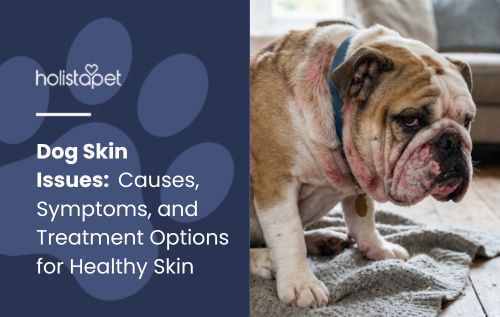
A dog’s skin plays an important role in overall health, acting as a protective barrier against environmental irritants, parasites, and infections. However, skin issues in dogs are common and can affect pets of all breeds and ages.
Understanding the signs, causes, and possible management options for dog skin issues can help pet owners respond early and support their dog's comfort and well-being a topic well covered across dog health articles for owners who want to stay informed.
Are Dog Skin Issues Common?
 Yes, skin issues are relatively common in dogs. Many dogs experience symptoms such as itching, dryness, redness, or hair loss at some point in their lives.
These conditions may be caused by several factors, including:
-
Allergies (food or environmental)
-
Parasites such as fleas or ticks
-
Bacterial or fungal infections
-
Hormonal or immune-related conditions
If left unaddressed, skin irritation may worsen and lead to discomfort or secondary infections. Monitoring changes in your dog’s skin and behavior is important for early detection.
What Are the Symptoms of Skin Problems in Dogs?
Skin conditions in dogs can present in different ways depending on the underlying cause. Common signs include:
-
Persistent itching or scratching
-
Redness or inflamed skin
-
Excessive licking or chewing
-
Hair loss or thinning coat
-
Flaky, dry, or scaly skin
-
Open sores or hot spots
Some dogs may also develop secondary infections due to repeated scratching or skin trauma.
What Are the Most Common Dog Skin Problems?
Dogs' skin conditions are diverse and affect different parts of their bodies. You're most familiar with allergies and irritations. However, there are more things you need to learn. Once you know the most common dog skin conditions, you'll be a step closer to spotting and addressing problems effectively.
Allergy-Related
 Dogs may have allergic reactions to certain foods, environmental elements like pollen, or even flea saliva. These allergies often lead to intense itching, redness, and skin irritation. You might notice your dog scratching, biting, or licking a specific area often if they're having an allergic reaction and if antihistamines have crossed your mind as a solution, it's worth reading about whether can canines take claritin before trying anything over the counter.
Parasite Problems
Flea and tick infestations can cause serious skin troubles. These tiny parasites bite and feed on your dog's blood, leading to itchy skin and general discomfort. Flea bites can also cause allergic reactions in some pets, leading to more severe itching and irritation.
Bacterial Infections
 This type of skin infection can develop from minor cuts, scrapes, or irritated skin exposed to bacteria. Affected dogs may show symptoms like redness, swelling, and pus-filled sores. Common bacterial skin infections include pyoderma, which often presents as red, itchy bumps or pimples.
Irritated Hot Spots
Hot spots, also known as acute moist dermatitis, are painful and inflamed areas on a dog's skin. These lesions can develop quickly and can be very uncomfortable. Excessive licking, scratching, or biting due to allergies, insect bites, or underlying skin infections can cause these hot spots.
Yeast Infections
A yeast infection often affects a dog's ears, paws, and skin folds, causing great discomfort. These skin infections are usually caused by yeast overgrowth. Yeast is a type of fungus that thrives in warm, moist environments.
Ringworm
Despite its name, ringworm isn't caused by a worm but by a group of fungi called dermatophytes. This fungal infection affects a dog's skin, hair, and nails. It is highly contagious and can spread to other pets and even humans.
Dry or Flaky Skin

Many things can cause dry or flaky skin, such as a poor diet, environmental conditions, or an underlying illness. Pets with dry skin often exhibit symptoms such as dandruff, itchiness, and a dull coat. This skin condition can cause discomfort and lead to excessive scratching or licking.
Alopecia (Hair Loss)
Alopecia, or hair loss, can result from various causes, including allergies, hormonal imbalances, or skin infections. Affected dogs may exhibit patchy hair loss, thinning fur, or complete bald spots.
Skin Cancer
Skin cancer is a serious condition that needs immediate attention. Different skin cancers can affect dogs, including malignant melanoma, squamous cell carcinoma, and mast cell tumors. These types often present as unusual lumps, bumps, or skin tumors. Other symptoms include sores that do not heal and changes in the appearance of existing moles.
Autoimmune Disease
Autoimmune diseases happen when the body's immune system attacks its own cells. These conditions can manifest as various skin problems, including sores, ulcers, and hair loss. Common autoimmune skin conditions include lupus and pemphigus. These can lead to skin abnormalities and cause great discomfort.
Related Product: Skin, Coat & Nail Soft Chews for Dogs
Dog Skin Problems Preventive Tips
Discussing all those skin problems may have scared you. Fret not — there are steps you can take to support your pup's skin health and possibly prevent those issues from happening. However, remember that for skin diseases, disorders, and serious infections, getting expert veterinary advice is the first step. Now, let's get into some practical tips and tricks to help keep pesky skin woes at bay.
Proper Diet
A balanced diet rich in essential nutrients helps support a shiny coat and healthy skin. Foods high in omega fatty acids can help improve skin condition. Protein also helps with skin repair and growth. Plus, certain vitamins and minerals can support overall skin health. Consult your vet to create a diet plan that meets your pup's specific needs.
What Food Ingredients Support Dog Skin?

Certain ingredients can help keep your dog's skin clear and their coat vibrant. Consider adding these to your dog's diet:
-
Omega-3 and Omega-6 Fatty Acids. Found in fish oil and flaxseed, these help reduce skin irritation and promote a shiny coat.
-
Proteins. Chicken, beef, and fish help with skin repair and growth.
-
Antioxidants. Vitamins E and C help protect the skin from damage and support the immune system and a complete dog vitamin supplement can help ensure your dog consistently gets these key nutrients every day.
-
Zinc. This mineral aids in skin healing and overall health.
Skin and Coat Support Supplements
Skin and coat supplements may help support overall skin and coat health when used as part of a balanced routine and under veterinary guidance.
Products such as Skin, Coat & Nail Soft Chews for Dogs are formulated with nutrients that may help support normal skin function, coat appearance, and nail strength.
However, supplements should be considered supportive care only and are not a replacement for veterinary diagnosis or treatment. Dogs showing ongoing itching, hair loss, or skin lesions should be evaluated by a veterinarian, and some owners also explore vet-approved CBD oil for dogs as a complementary wellness option supported by resources like AKC: CBD Oil for Dogs — What You Need to Know and PubMed: Pharmacokinetics, Safety, and Clinical Efficacy of CBD in Dogs.
Regular Bathing and Grooming
Bathing helps remove dirt, allergens, and parasites that can cause problems. Use a gentle, dog-specific shampoo to help prevent dryness and irritation. Remember to bathe your pup at appropriate intervals, as over-bathing can strip natural oils from their skin. Typically, every few weeks is enough, but this can vary based on your dog's breed and lifestyle just as how much exercise does a dog needs also depends heavily on breed and age.
Breed Considerations
Some dog breeds are more prone to skin conditions due to genetics or coat structure. For example, breeds with skin folds may be more susceptible to moisture buildup and irritation.
Understanding breed-specific risks may help pet owners take preventive care measures. Supporting skin-prone breeds with probiotic treats for dogs may also help maintain a balanced gut environment, which research increasingly links to healthier skin and reduced inflammatory responses.
When to Go to the Vet for Dog Skin Conditions?
Pet owners need to be vigilant when caring for their pets' skin. Consult a vet if your pup shows persistent symptoms, such as:
-
Severe Itching
-
Redness or Swelling
-
Sores That Do Not Heal
-
Unusual Lumps or Bumps
-
Hair loss or Changes in Skin or Coat Appearance
Final Thoughts - Dog Skin Issues
Dog skin issues are common but often manageable with early detection, proper care, and veterinary guidance. Supporting skin health through balanced nutrition, hygiene, preventive care, and CBD treats for dogs as part of a calming wellness routine may help improve comfort and overall well-being.
FAQs About Dog Skin Issues
What are the most common dog skin issues?
Common issues include allergies, fleas, yeast infections, bacterial infections, hot spots, dry skin, and hair loss. These are often linked to environmental or health-related factors.
What causes skin problems in dogs?
Causes may include allergies, parasites, infections, hormonal imbalance, poor nutrition, or immune system disorders.
Why does my dog have itchy skin?
Itching may be caused by allergies, fleas, yeast infections, or underlying skin disease. Persistent itching should be evaluated by a veterinarian, and keeping activity levels consistent with guidance on how much exercise does a dog needs may also help reduce stress-related skin flare-ups.
Can food allergies affect a dog’s skin?
Yes, food allergies may lead to itching, redness, ear infections, and skin inflammation.
What is canine atopic dermatitis?
It is a chronic allergic skin condition triggered by environmental allergens, often causing long-term itching and irritation.








Leave a comment
All comments are moderated before being published.
This site is protected by hCaptcha and the hCaptcha Privacy Policy and Terms of Service apply.