

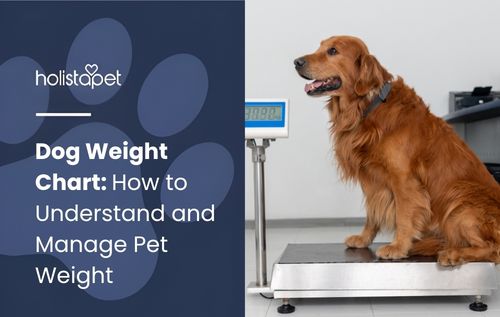
A dog weight chart helps pet owners monitor body condition, identify unhealthy weight changes early, and support long-term wellness. Tracking a dog’s weight over time can help prevent issues related to obesity, poor nutrition, or unhealthy weight loss. Pet owners can also explore additional dog care guides for broader wellness support.
This guide explains how to evaluate body condition score (BCS), monitor healthy growth, and maintain proper weight from puppyhood through adulthood.
What is the Standard Weight for Dogs?

A dog’s standard weight depends on several factors, including breed, age, sex, and body composition. Small breeds may weigh less than 20 pounds, while giant breeds such as the Alaskan Malamute can exceed 100 pounds as adults.
According to the American Animal Hospital Association’s 2021 Nutrition and Weight Management Guidelines, body condition score and muscle mass are often more accurate indicators of health than body weight alone.
Dogs at a healthy weight typically show:
- A visible waistline when viewed from above
- Easily felt ribs without excessive fat covering
- A gentle abdominal tuck behind the ribs
- Balanced muscle condition throughout the body
A canine body condition score (BCS) evaluates body fat and overall physical condition based on waist definition, rib coverage, and muscle tone. Veterinarians use this system to identify underweight or overweight dogs early and recommend appropriate nutrition and activity adjustments.
How Do I Assess My Dog’s Weight?

You can assess your dog’s weight by combining scale measurements with physical observations such as rib feel, waist shape, and muscle condition.
A healthy dog should maintain a stable weight appropriate for its breed and age while showing a visible waist and easily felt ribs.
1. Weigh Your Dog
Use a reliable scale to record your dog’s weight consistently. Compare the results with general breed weight ranges, but remember that body composition matters more than the number alone.
Tracking weight every few weeks can help identify gradual changes before they become serious concerns.
2. Check the Ribs
Run your hands gently along your dog’s rib cage. At an ideal weight, the ribs should be easy to feel without pressing firmly, but they should not appear overly visible.
3. Look for a Visible Waist
View your dog from above. A healthy dog usually has a noticeable waistline behind the ribs rather than a straight or rounded body shape.
4. Examine the Side Profile
Look at your dog from the side to check for a gentle abdominal tuck. Dogs with excess body fat may show a sagging or hanging belly.
5. Review Muscle Condition
Observe the shoulders, spine, and hind legs for signs of muscle loss. Reduced muscle mass may develop with aging, illness, poor nutrition, or inadequate activity levels.
6. Consult Your Veterinary Team
A veterinary professional can evaluate your dog’s body condition score, confirm healthy weight ranges, and recommend a safe weight management plan if needed.
How Do I Keep My Dog in Shape?

Maintaining a healthy body condition involves balanced nutrition, regular exercise, routine monitoring, and consistent veterinary care.
Some dogs may also benefit from supportive wellness routines that include products such as CBD soft chews for dogs.
1. Feed Proper Portions
Overfeeding is one of the most common causes of canine obesity. Measuring meals carefully can help maintain a healthy body composition.
Helpful feeding habits include:
- Measuring food portions daily
- Adjusting meals based on age and breed size
- Choosing protein-rich diets that support muscle maintenance
- Limiting table scraps and high-calorie treats
- Monitoring calorie intake consistently
The World Small Animal Veterinary Association states that portion control and regular body condition monitoring play an important role in preventing obesity in dogs.
2. Keep Your Dog Active
Daily exercise supports mobility, muscle condition, and overall wellness.
Healthy activity habits may include:
- Daily walks
- Interactive play sessions
- Low-impact exercise for giant breeds
- Gradually increasing activity for overweight dogs
Exercise needs can vary depending on breed, age, size, and overall health status.
3. Monitor Weight Changes Consistently
Minor weight fluctuations may go unnoticed until a dog becomes visibly overweight or underweight.
To monitor weight effectively:
- Weigh your dog every two to four weeks
- Compare current measurements with healthy breed ranges
- Check waist definition regularly
- Monitor body fat and muscle condition
Dogs with a visible waistline and easily felt ribs are often within a healthy body condition range.
4. Support Joint and Digestive Health
Joint comfort and digestive wellness can influence a dog’s mobility, activity level, and ability to maintain a healthy weight.
Some pet owners may study supportive wellness options alongside proper nutrition, exercise, and veterinary care, especially for aging dogs or pets with mobility concerns.
Research from Cornell University has studied the use of best CBD oil for dogs and observed potential associations with comfort and activity levels in dogs with mobility concerns. However, results may vary, as CBD interacts with the endocannabinoid system (ECS), and CBD products should not replace veterinary care or prescribed treatment plans.
Always consult a veterinarian before introducing supplements or wellness products into your dog’s routine, particularly if your pet has existing health conditions or takes medication.
Pet owners researching additional wellness information may also find this guide on cbd for dogs petco helpful.
Digestive balance also plays a role in nutrient absorption and weight management, which is why some owners include dog probiotics in daily routines.
5. Track Puppy Growth Carefully
A puppy growth calculator or puppy size calculator can provide estimates of adult size, although genetics, nutrition, and breed type all influence development.
To support healthy growth:
- Monitor puppy weight monthly
- Compare progress with breed weight charts
- Avoid excessive weight gain
- Feed a balanced diet formulated for growth
Small breeds usually reach adult size faster than large or giant breeds.
Frequently Asked Questions
Can stress affect a dog’s weight?
Yes. Stress can affect appetite, digestion, and activity levels. Some dogs experiencing anxiety-related behavior may also show signs of dog hiding. Some dogs lose weight during stressful situations, while others may gain weight due to reduced activity or overeating.
Should owners adjust meals during seasonal changes?
Yes. Activity levels often change throughout the year. Dogs may require fewer calories during periods of lower activity and additional calories during highly active seasons.
Is sudden weight change dangerous for dogs?
Yes. Rapid weight gain or sudden weight loss may indicate illness, hormonal imbalance, poor nutrition, or other health concerns. Significant body weight changes should be evaluated by a veterinarian.
Do neutered dogs gain weight more easily?
Yes. Neutered dogs may experience slower metabolism and lower calorie requirements. Monitoring meals and exercise after the procedure can help maintain a healthy weight.
Can treats affect a dog’s body condition score?
Yes. Frequent treats can increase body fat and contribute to unhealthy weight gain. Treats should make up only a small portion of daily calorie intake.
Why do some dogs stay thin despite eating well?
High activity levels, genetics, nutrient absorption issues, and certain medical conditions can make weight gain difficult. Consistent monitoring and veterinary guidance can help identify the underlying cause.
Does water retention affect a dog’s actual weight?
Yes. Water retention may temporarily increase body weight. Swelling, bloating, or sudden body changes can indicate an underlying health issue that requires veterinary evaluation.
For dogs that struggle with nighttime restlessness or stress-related sleep disruptions, some owners explore options such as natural melatonin for dogs.







Leave a comment
All comments are moderated before being published.
This site is protected by hCaptcha and the hCaptcha Privacy Policy and Terms of Service apply.