

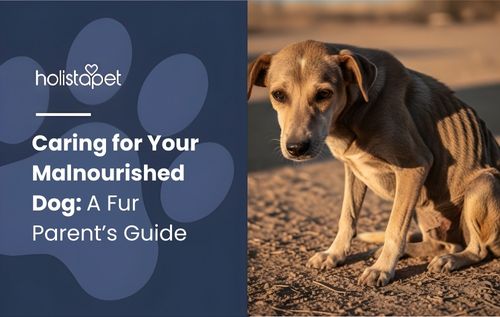
A malnourished dog often shows rapid weight loss, low energy, and a dull coat, which can leave owners worried about what to do next. With proper nutrition, consistent feeding, and veterinary guidance, many dogs regain a healthy weight and rebuild their strength.
Early intervention improves recovery and gives dogs a stronger chance to return to good health.
What Is Malnourishment in Dogs?
Malnutrition occurs when a dog consistently lacks the calories, protein, or essential nutrients needed for proper function. Inadequate food intake, poor-quality or unbalanced diets, and underlying medical conditions can impair nutrient absorption and cause deficiencies.
Over time, inadequate nourishment weakens the immune system, damages coat and skin health, and raises the risk of serious medical issues when owners do not address the root cause.
Signs of a Malnourished Dog

A malnourished dog often shows visible physical changes and subtle health concerns that signal poor nutrient intake. Early recognition helps prevent more serious complications.
-
Weight loss: Rapid weight loss or body weight that falls below a healthy range.
-
Thin appearance: Prominent ribs, hips, or spine with little muscle mass.
-
Hair loss: Thinning fur, patchy areas, or an unhealthy coat.
-
Skin problems: Dry, flaky skin or other issues linked to nutrient deficiencies.
-
Low energy: Fatigue, weakness, and reduced interest in food or activity.
-
Digestive problems: Vomiting, diarrhea, or other gastrointestinal concerns.
-
Bad breath: Persistent odor that may signal dietary or health issues.
-
Expanded abdomen: Bloated appearance despite overall weight loss.
- Other symptoms: Weakened immunity, frequent illness, or slow wound healing.
What Causes Canine Malnourishment?
Canine malnourishment develops when a dog cannot consume, absorb, or properly use enough nutrients to support normal body function. Identifying the root cause protects overall health and helps prevent long term complications.
-
Poor diet: Low quality food that lacks essential nutrients, vitamins, and minerals.
-
Insufficient food intake: Too few calories due to improper feeding or limited access to food.
-
Underlying medical conditions: Disorders that disrupt nutrient absorption or metabolism.
-
Parasites: Internal parasites that drain nutrients and contribute to weight loss.
-
Digestive disorders: Gastrointestinal problems that reduce nutrient uptake.
-
Sudden weight loss: Rapid decline linked to illness or inadequate nutrition.
-
Unbalanced feeding practices: Dog food or routines that fail to meet nutritional requirements.
-
Chronic illness: Ongoing disease that affects appetite, eating habits, or weight gain.
- Neglect: Irregular feeding schedules or lack of proper nutritional care.
How to Care for Your Malnourished Dog

A malnourished dog needs a structured plan that promotes steady weight gain without upsetting digestion or worsening existing medical conditions.
Step #1: Schedule a veterinary checkup to evaluate health, identify the root cause, and record weight and body condition.
Step #2: Request blood work and parasite screening to detect medical concerns that contribute to weight loss, including digestive disorders.
Step #3: Begin a feeding plan that provides essential nutrients and adequate calories to support healthy weight gain.
Step #4: Replace low quality food with balanced, high quality dog food that supports coat condition, immunity, and overall wellness.
Step #5: Offer small, frequent meals to lower the risk of vomiting and improve nutrient absorption, especially in dogs with sensitive stomachs.
Step #6: Increase portion sizes gradually to encourage steady progress without causing stomach upset.
Step #7: Add an extra meal only if the dog tolerates meals well and a veterinarian supports the adjustment.
Step #8: Correct deficiencies with supplements only after veterinary evaluation and guidance.
Step #9: Check skin condition, coat quality, breath, and overall behavior daily since changes can signal ongoing concerns.
Step #10: Encourage light activity and maintain a calm routine to support appetite and recovery without overexertion.
Step #11: Consult a veterinary nutritionist when therapeutic diets or specialized adjustments become necessary.
Step #12: Seek emergency care if severe weakness, persistent vomiting, dehydration, or abdominal swelling develops.
How Can I Help My Malnourished Dog Recover Quickly?

Recovery requires correcting nutritional gaps while protecting the dog from stress, digestive upset, and continued weight loss. Consistent care and veterinary support help ensure steady, safe progress.
-
Follow veterinary guidance: Work closely with a veterinarian to treat the root cause and reduce the risk of complications.
-
Prioritize balanced nutrition: Provide a complete diet with essential nutrients and adequate calories.
-
Maintain the feeding schedule your veterinarian approves.
-
Track body weight: Monitor progress weekly to confirm healthy improvement.
-
Track weekly weight to confirm the feeding plan produces steady progress
-
Strengthen immune health: Correct deficiencies that weaken natural defenses.
-
Try CBD: Consult a veterinarian about CBD products that may help reduce stress and support appetite during recovery. Options like CBD dog treats and lab-tested CBD oil for dogs can fit easily into a recovery routine. For a trusted overview of how CBD works in dogs, the AKC: CBD Oil for Dogs — What You Need to Know guide is a helpful starting point before introducing any new supplement.
- Consider muscle supplements: These products help rebuild muscle mass lost during malnourishment. HolistaPet has some bestselling Muscle Support Soft Chews for dogs, too.
-
Limit physical strain: Keep activity light to conserve energy during early recovery.
-
Stay alert to changes: Watch for coat thinning, skin problems, bad breath, or other warning signs.
- Adjust the plan as needed: Modify feeding based on appetite, digestion, and professional advice.
Proper Nutritional Support for Malnourished Dogs
Targeted supplements can support digestion, appetite consistency, stress balance, and overall wellness while a dog works toward healthy weight restoration. For dogs recovering from stress-related appetite loss or disrupted sleep, a daily melatonin supplement for dogs may also complement a veterinarian-approved wellness plan.
|
Product |
Primary Support |
Form |
Ideal For |
Key Advantage |
|
Broad Spectrum CBD Oil |
Calm and balance |
Liquid oil |
Dogs needing adjustable dosing |
Flexible serving control |
|
Multivitamin Soft Chews |
Nutritional support |
Soft chew |
Dogs with dietary gaps |
Broad vitamin and mineral blend |
|
Probiotics for Dogs |
Digestive balance |
Soft chew |
Dogs adjusting to new diets |
Gut microbiome support |
|
CBD Calming Chews |
Relaxation support |
Soft chew |
Dogs with stress related appetite changes |
CBD plus calming botanicals |

HolistaPet Broad Spectrum CBD Oil for Dogs
This broad spectrum CBD oil allows flexible, weight based dosing for dogs that need calm support during recovery. The liquid format makes it easy to adjust servings as appetite, size, and feeding plans change.
Key ingredients:
- Broad spectrum hemp extract
- Hemp seed oil
How it works:
CBD interacts with the endocannabinoid system, which helps regulate balance in mood, appetite signals, and overall body function. For peer-reviewed research on canine CBD safety, PubMed: Pharmacokinetics, Safety, and Clinical Efficacy of CBD in Dogs provides science-backed findings to support confident decision-making during recovery.
Application method:
- Administer it directly into the mouth or mix it into food
- Mix into food
- Follow weight based serving instructions
Benefits:
- Supports calm behavior
- Flexible liquid dosing
- Easy to combine with meals
HolistaPet Multivitamin Soft Chews for Dogs
These daily soft chews help cover nutritional gaps that may result from poor diet or inconsistent feeding. The formula complements a balanced meal plan by supplying foundational vitamins and minerals.
Key ingredients:
- Vitamins A, D, and B complex
- Calcium
- Iron
- Glucosamine and MSM
How it works:
The blend supports normal metabolic function, energy production, and overall vitality alongside proper nutrition.
Application method:
- Give as a daily chew
- Adjust serving based on body weight
Benefits:
- Helps fill common nutrient gaps
- Supports overall wellness
- Convenient chew format
HolistaPet Probiotics for Dogs
These dog microbiome supplement chews support digestive balance, which becomes essential when increasing calories or changing food. A stable gut environment improves how the body processes nutrients.
Key ingredients:
- Probiotic blend
- Prebiotic fiber
How it works:
Probiotics promote a balanced gut microbiome, which supports smoother digestion and efficient nutrient utilization.
Application method:
- Give daily with or without food
- Follow weight based serving guide
Benefits:
- Supports digestive balance
- Encourages nutrient use
- Simple daily addition
HolistaPet CBD Calming Chews for Dogs
These soft chews combine CBD with calming botanicals to promote relaxed behavior. A calmer routine can help support steady eating patterns during recovery.
Key ingredients:
- CBD
- Chamomile
- L theanine
How it works:
The formula supports emotional balance, which helps create a stable environment for consistent feeding.
Application method:
- Give as a chew
- Follow size based serving recommendations
Benefits:
- Supports relaxed demeanor
- Tasty chew format
- Easy to integrate into daily care
Which Supplements Support a Malnourished Dog's Recovery?
Caring for a malnourished dog requires early intervention, targeted nutrition, and consistent veterinary support to rebuild health safely. A balanced diet, structured feeding plan, and proper treatment of underlying conditions help many dogs regain a healthy weight and make a strong recovery over time. For additional nutrition, wellness, and recovery resources, browse our complete collection of guides for dog owners.
Frequently Asked Questions
How long does it take for a malnourished dog to recover?
Recovery depends on the underlying cause, overall dog's health, and severity of poor nutrition. Mild cases may improve within weeks, while severely malnourished dogs often need months of steady care for a full recovery.
Can a malnourished dog eat regular dog food right away?
Not always. Dogs recovering from a low quality diet or long periods without enough food may need gradual transitions with small meals and high quality food. Sudden feeding changes can trigger digestive issues or other health problems. Once your dog regains strength, gradual exercise such as short walks may help, but it's important to understand should you walk a dog with mobility concerns before increasing activity.
Is home feeding enough for recovery without a vet?
No. Home feeding alone may not address underlying health issues or nutritional deficiencies. Veterinarians often perform blood tests and further examination to identify parasites, disease, or organ problems affecting the pet's health.
Can malnutrition affect a dog’s behavior?
Yes. Poor nutrition can leave dogs weak, anxious, irritable, or less interested in activity. Some dogs also develop coat health problems, changes in dog's skin, or even hair loss because they lack enough calories and nutrients. As your dog's condition improves, gentle socialization at our dog park near me guide can provide safe opportunities for physical and mental enrichment.
Are senior dogs at higher risk of malnutrition?
Yes. Aging companion animals commonly develop health conditions like dental disease or digestive problems that interfere with eating and nutrient absorption. Sick senior dogs may also lose weight more easily than younger animals.
When should you consider emergency care?
Seek immediate care if a pet develops severe weakness, collapse, dehydration, refusal to eat, or ongoing vomiting. Some dogs require intravenous fluids and intensive treatment when malnutrition reaches dangerous levels.
Can vitamin deficiencies affect recovery?
Yes. Deficiencies in B Vitamins and other nutrients can slow healing and weaken energy levels. Veterinarians may recommend supplements to support recovery and improve overall health.
Can feeding too much food harm a malnourished dog?
Yes. Giving too much food too quickly can place stress on digestion and worsen health complications. Veterinarians usually recommend controlled portions to avoid overfeeding during recovery.
What are the most common causes of malnutrition in dogs?
Poor quality food, parasites, illness, neglect, and chronic disease rank among the most common causes. Some dogs also struggle because underlying health issues prevent proper nutrient absorption.
How often should recovering dogs visit the veterinarian?
Regular check up visits help monitor weight gain, coat condition, and overall progress. Veterinarians adjust feeding plans based on the dog's specific recovery needs and response to treatment.






1 comment
Animal Hospital of Hasbrouck Heights
Thank you for this incredibly compassionate and informative post. It’s heartbreaking to see a malnourished dog but knowing how to identify the signs and take the right steps makes a huge difference. I really appreciated the section on refeeding syndrome, something many pet owners might overlook. Also, the tips on using calming methods like CBD are a great reminder of how stress affects nutrition too. Bookmarking this guide for future reference!
Leave a comment
All comments are moderated before being published.
This site is protected by hCaptcha and the hCaptcha Privacy Policy and Terms of Service apply.