

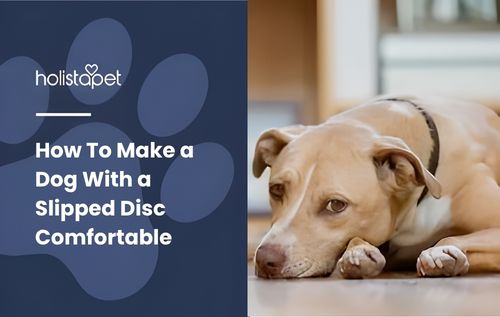
Your dog's wagging tail and playful bounce bring so much joy, so when they're dealing with a slipped disc, it's time to step in as their ultimate hero. Figuring out how to keep a dog with a slipped disc comfortable might seem tricky, but with the right approach, you can turn their discomfort into calm relief.
Whether you're looking to build a supportive sanctuary for naps or learn calming natural remedies, there are numerous ways to ensure your canine companion stays happy and relaxed. This guide provides the essential tips and expert insights needed to optimize your dog's overall well-being.
Let's make sure your best buddy gets all the love and care they deserve to stay cozy and on the road to recovery.
What Is a Slipped Disc in Dogs?

A slipped disc, or intervertebral disc herniation, happens when the spongy, doughnut-shaped pads between a dog's vertebrae shift out of place. These discs act like tiny cushions, protecting the spinal cord and absorbing impact from daily movements. When one slips or ruptures, it can put pressure on the spinal cord, leading to discomfort or even difficulty moving.
Dogs with slipped discs might experience anything from mild irritation to more severe issues, such as difficulty walking. The condition is part of intervertebral disc disease (IVDD), which affects certain breeds more often than others.
Common Causes of Slipped Discs
There are several common culprits behind slipped discs in dogs. While some causes relate to genetics, others stem from everyday activities or aging. Here are some of the key factors:
- Genetics. The most commonly affected breeds include Dachshunds, Beagles, and French Bulldogs. They are genetically predisposed to IVDD, which increases the risk of disc herniation or slipped disc.
- Aging. As dogs age, their intervertebral discs can lose elasticity, leading to disc degeneration or herniation.
- Trauma or Injury. Sudden impacts, such as a fall or rough play, can cause disc extrusion or herniation, especially in active dogs.
- Excess Weight. Carrying extra weight puts added strain on a dog's spine, increasing the likelihood that discs will slip under pressure. See how to tell if your dog is overweight here.
Recognizing Symptoms of a Slipped Disc in Dogs
Spotting the signs of a slipped disc in its early stages can make all the difference in your dog's recovery. While some symptoms are subtle, others are hard to miss. Keep an eye out for the following signs:
- Difficulty Moving. Your dog might struggle to walk, jump, or stand due to discomfort or spinal cord compression.
- Crying or Whining. Vocalizing more than usual could be their way of saying something is wrong.
- Changes in Posture. A hunched back or unusual stiffness might indicate a slipped disc.
- Weakness or Paralysis. In severe cases, dogs can experience weakness in their legs or even temporary paralysis.
- Loss of Appetite, Weight, and Energy. A dog in discomfort may eat less, lose weight, and seem more sluggish than usual.
Immediate Steps To Provide Comfort

When dogs have slipped discs, quick action can make a huge difference in keeping them comfy and calm. Here are a few immediate steps you can take to help your furry friend feel supported:
- Contact Your Veterinarian. Always call your vet immediately if you suspect a slipped disc. They can guide you on whether to bring your dog in for an examination or start any immediate care at home.
- Restrict Movement. Keep your dog as still as possible to avoid further spinal cord compression. A small, enclosed area or a crate can help limit their movements.
- Provide a Cozy Resting Spot. Set up a soft, supportive bed in a quiet, low-traffic area. This can help your dog relax and reduce stress on their spine.
- Use Gentle Lifting Techniques. If you need to move your dog, be sure to support both their chest and hindquarters to avoid putting pressure on the affected area.
Home Remedies to Comfort Your Dog
Sometimes, the best care starts right at home. Here are a few tried-and-true solutions you can try:
- Soft Bedding. Provide a cushy, supportive bed to reduce any pressure on your dog's spine. Orthopedic beds are a great choice.
- Gentle Heat or Cold Therapy. A heating pad (on low) or a wrapped ice pack can help soothe sore areas and provide relief.
- Gentle Massages. Lightly massaging around your dog's back and neck can help relax tense muscles and improve their comfort. Avoid pressing directly on the spine.
- Calm Environment. Keep their resting space quiet and free of stressors, ensuring they can relax without interruptions.
- Maintain a Healthy Weight. Extra pounds can strain your dog's spine. Help them shed excess weight with a controlled diet, supportive multivitamin soft chews for dogs, and proper nutrition if needed.
Can CBD Help Comfort a Dog With a Slipped Disc?
CBD (cannabidiol) has become a popular option for pet owners looking to support their dogs during tough times, including dealing with back aches. Known for its natural, non-intoxicating properties, CBD can offer soothing benefits to help your furry friend feel more at ease, especially when using high-quality CBD oil products for dogs.
When used appropriately, CBD can promote relaxation and ease tension, which can be especially beneficial for dogs experiencing discomfort. Its gentle effects make it a helpful addition to your care routine.
How CBD Interacts With a Dog's Body
CBD interacts with a dog's endocannabinoid system (ECS), a network of receptors that helps regulate bodily processes, including mood, mobility, and discomfort. This system plays a major role in maintaining balance, making CBD a natural way to support balance.
When your dog takes CBD, it binds to these receptors, particularly those related to discomfort and tension. This interaction may promote relaxation and support your pup's natural recovery processes without altering their personality or energy levels.
Benefits of CBD for Discomfort Relief
CBD can be highly effective in providing your dog with much-needed support during recovery. Packed with natural goodness, it offers many potential benefits to help your pup feel more relaxed and comfortable. Here's why so many pet parents choose CBD:
- Promotes Relaxation. CBD may help calm your dog's nerves, making it easier for them to rest and recover in peace.
- Eases Muscle Tension. Its soothing properties can work wonders on stiff or tight muscles, helping your dog move comfortably.
- Supports Natural Recovery. CBD interacts with the body to complement its natural healing processes, offering gentle and effective relief.
Many pet parents also pair CBD routines with tasty THC-free dog treats to help encourage relaxation and daily wellness support.
Professional Treatment Options for a Slipped Disc

So, how do experts treat slipped discs? Here are some common options your vet might recommend:
- Medical Management. Medications like anti-inflammatories or muscle relaxants can help reduce swelling and ease your dog's soreness.
- Physical Therapy. Tailored exercises and techniques can help strengthen your pup's muscles and support their spine.
- Surgical Treatment. In severe cases, spinal surgery might be necessary to remove damaged disc material and relieve pressure on the spinal cord.
- Diagnostic Imaging. Tools like X-rays, MRI (magnetic resonance imaging), or CT (computed tomography) scans can give a clearer picture of the issue.
Some dogs recovering from spinal discomfort may also benefit from supportive nutrition, including the joint supplements for dogs to help maintain overall wellness during recovery.
HolistaPet Comforting CBD Options
HolistaPet's CBD products are in a league of their own when it comes to providing top-tier comfort for your furry friend. Your dog deserves the best, and we deliver.
Our all-natural formulas help soothe and support your furry friend without any synthetic additives or harsh chemicals. Each product undergoes rigorous testing by third-party labs to guarantee premium quality and effectiveness. Here are some standout options:
CBD Oil for Targeted Support.
Our CBD Oil for Dogs combines broad-spectrum CBD with hemp seed oil for a powerful, fast-acting formula. Easily give it to your pup by dropping it directly into their mouth or mixing it into their food. Non-GMO, gluten-free, and vegan, it's a convenient way to keep your canine companion feeling their best.
CBD Dog Treats for Daily Relief
- Soft Chews. These calming chews blend CBD with chamomile, L-tryptophan, and other soothing ingredients. With peanut butter and sweet potato for a tasty twist, they're as nutritious as they are effective.
- Crunchy Treats. Packed with CBD, chamomile, and hemp seed powder, these crunchy bites are a delightful way to help your dog maintain a calm, peaceful state during stressful times.
Long-Term Care for a Dog With a Slipped Disc
Recovery from a slipped disc doesn't stop once the immediate symptoms become manageable. It's an ongoing process that requires thoughtful changes.
You can focus on maintaining a healthy weight for your dog to help reduce unnecessary strain on their spine while following trusted dog care advice for long-term recovery support. Regular low-impact exercises can help keep their muscles strong and flexible without putting pressure on their back.
Preventing Future Slipped Discs
Prevention is the best way to reduce the risk of another slipped disc. Small, proactive changes can go a long way in protecting their back.
One key step is keeping your dog at a healthy weight. Extra pounds put a lot of strain on your dog's spine, so sticking to a balanced diet and a regular exercise routine is crucial. Limiting activities that strain your dog's back, like jumping on furniture or navigating steep stairs, is also helpful.
Maintaining Mobility Through Low-Impact Exercise
Keeping your dog moving is important, even after a slipped disc, but the key is to focus on low-impact exercises that are gentle on their spine. These activities can help strengthen their muscles, improve flexibility, and support their recovery.
Always watch your pup during exercise to make sure they're comfy and avoid any movements that seem to cause discomfort. With the right routine, your furry buddy can stay active and happy while protecting their spine from further injury. You can see more dog care blogs.
If your dog also struggles with soreness in their limbs during recovery, these canine leg pain home remedies may provide additional comfort support.
Final Thoughts
Helping a dog with a slipped disc feel comfortable starts with fast vet care, strict rest, and a safe recovery space. With the right treatment plan, pain relief, weight management, and careful activity limits, many dogs with IVDD can heal, regain comfort, and enjoy a better quality of life.
FAQs About How To Make a Dog With a Slipped Disc Comfortable
1. How do you make a dog with a slipped disc comfortable?
Learning how to make a dog with a slipped disc comfortable starts with limiting movement, keeping your dog calm, and following your vet’s treatment plan. A slipped disc, also linked to intervertebral disc disease, can put pressure on the spinal cord and cause severe pain, weakness, or trouble walking. Set up a quiet, restful area with supportive bedding, keep food and water nearby, and avoid climbing stairs, jumping, or other strenuous physical activity.
2. What is intervertebral disc disease IVDD in dogs?
Intervertebral disc disease IVDD happens when the intervertebral discs in a dog’s spine stop working properly as shock absorbers. When disc material bulges or ruptures, it can press on the spinal cord, significantly impairing a dog’s ability to walk, stand, or move comfortably. IVDD in dogs may cause mild symptoms at first, but severe spinal cord compression can lead to severe symptoms in the back legs or hind legs.
3. What are the emergency signs of a slipped disc in dogs?
Seek emergency care if your dog suddenly cannot stand, drags their back legs, cries from severe pain, loses bladder or bowel control, or shows new symptoms that get worse quickly. These emergency signs may point to severe spinal cord compression or a herniated disc, causing further damage. A veterinary hospital can assess your dog’s pain, spinal conditions, and treatment options right away.
4. Is crate rest necessary for a dog with IVDD?
Yes, crate rest is often part of conservative management for a dog with IVDD, especially when symptoms are mild, and surgery is not immediately needed. Strict crate rest or strict rest helps prevent further injury by stopping your dog from running, jumping, twisting, or climbing stairs. Bathroom breaks should be short, controlled, and supported so your dog’s spine stays protected during IVDD recovery.
5. How long does IVDD recovery take?
IVDD recovery can take several weeks, depending on the injury, symptoms, treatment plan, and your dog’s progress. Some dogs respond well to conservative treatment with strict rest, pain relief, and pain medication. Others may need spinal surgery if there is severe spinal cord compression or if the dog’s ability to walk is seriously affected. Most dogs need close monitoring during recovery.
Dogs recovering from discomfort or restricted activity can sometimes become overstimulated, so learning how to stop a dog from nipping may also help support calmer behavior during recovery.






Leave a comment
All comments are moderated before being published.
This site is protected by hCaptcha and the hCaptcha Privacy Policy and Terms of Service apply.