

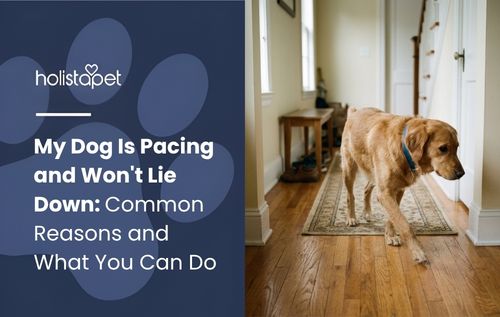
Seeing your dog pace back and forth without settling down can be worrying. While some dogs pace briefly because they're excited or waiting for a walk, persistent pacing may signal that something isn't right. Stress, discomfort, aging, digestive issues, or an underlying medical condition may all contribute to this restless behavior find more dog care support resources to help you navigate your pet's wellness. Identifying possible triggers can help you decide whether simple at-home support is enough or if a veterinary check is needed.
This guide explains the most common reasons dogs pace, how to recognize warning signs, and what you can do to support your pet.
Why Is My Dog Pacing and Won't Lie Down?
Dogs communicate discomfort and emotional states through behavior. Pacing is one way they may signal stress, physical pain, confusion, or even excess energy. Some causes are temporary and easy to address, while others require veterinary evaluation.
The most common reasons include:
- Anxiety or stress
- Physical pain or discomfort
- Digestive upset
- Cognitive dysfunction in senior dogs
- Neurological disorders
- Environmental changes
- Lack of mental or physical stimulation
Paying attention to when the pacing occurs and whether it is accompanied by other symptoms can provide helpful clues about what's causing the behavior.
Common Reasons Dogs Pace
Anxiety and Stress
Stress is one of the most frequent causes of pacing. Dogs may walk around repeatedly when they feel nervous or overwhelmed because movement helps them cope with uncomfortable emotions.
Common stress triggers include:
- Loud noises such as fireworks or thunderstorms
- Moving to a new home
- Separation from family members
- Unfamiliar visitors or animals
- Changes in daily routine
Some anxious dogs may also pant, whine, hide, tremble, or constantly seek reassurance from their owners if your dog is also vocalizing distress, our guide on dog whimpering can help you understand what they may be communicating.
Pain or Physical Discomfort
Dogs are naturally good at hiding pain, so pacing is often one of the earliest visible signs that something is wrong. When discomfort is present, a dog may struggle to settle into a comfortable position, leading to repeated standing, walking, and lying down.
Possible sources of pain include:
- Arthritis
- Joint stiffness
- Muscle injuries
- Ear infections
- Dental disease
- Abdominal discomfort
If pacing is accompanied by limping, reluctance to move, excessive panting, or vocalizing, schedule a veterinary examination.
Digestive Problems
Dogs with digestive discomfort often show a mix of behaviors such as pacing, repeated swallowing, lip licking, reduced appetite, grass eating, vomiting, or diarrhea adding probiotic treats for dogs to your pet's routine may help support a balanced gut and reduce occasional digestive upset.
If digestive symptoms are severe, persistent, or accompanied by bloating or repeated vomiting, seek veterinary care promptly.
Cognitive Dysfunction in Senior Dogs
Older dogs sometimes develop age-related changes in brain function known as canine cognitive dysfunction. This condition is similar to dementia in humans and can affect memory, awareness, and sleep cycles, often leading to nighttime restlessness and confusion.
A senior dog with cognitive dysfunction may:
- Pace aimlessly
- Wander at night
- Become disoriented indoors
- Forget familiar routines
- Stare into corners
- Sleep more during the day and less at night
While cognitive decline cannot be reversed, early veterinary care may help improve your dog's quality of life.
Supporting restful sleep in senior dogs with dog melatonin soft chews may help ease nighttime restlessness as part of a broader care plan recommended by your veterinarian.
Neurological Conditions
Conditions affecting the brain, spinal cord, or nervous system can also lead to pacing.
Examples include:
- Vestibular disease
- Brain inflammation
- Seizure disorders
- Brain tumors
Neurological conditions often cause additional symptoms, such as:
- Loss of balance
- Head tilt
- Circling
- Weakness
- Tremors
- Changes in vision
- Difficulty walking
These signs should always be evaluated by a veterinarian.
Changes in the Environment
Even healthy dogs may pace when something in their environment changes.
Examples include:
- Rearranged furniture
- Guests staying in the home
- Construction noise
- New pets
- Travel
- Boarding
Most dogs adjust within a few days once they feel safe and their routine becomes predictable again.
Boredom or Excess Energy
Young, active dogs often become restless when they don't receive enough exercise or mental enrichment.
Without appropriate outlets for their energy, they may:
- Pace repeatedly
- Bark excessively
- Chew household items
- Dig
- Seek constant attention
Daily walks, training sessions, puzzle feeders, scent games, and interactive toys can help reduce boredom-related pacing.
Signs That Can Help Identify the Cause

Pacing rarely occurs by itself. Looking for additional symptoms provides valuable clues about what's bothering your dog.
|
Symptom |
Possible Cause |
|
Panting without exercise |
Stress, pain, overheating, illness |
|
Whining or barking |
Anxiety, discomfort, attention-seeking |
|
Refusing food |
Digestive upset, pain, illness |
|
Limping |
Joint or muscle pain |
|
Head tilt |
Vestibular disease |
|
Circling |
Cognitive dysfunction or neurological issues |
|
Restlessness at night |
Cognitive decline, discomfort, anxiety |
|
Vomiting or diarrhea |
Digestive illness |
|
Difficulty breathing |
Respiratory or heart problems requiring prompt veterinary care |
Remember that these signs do not confirm a specific diagnosis. They simply help determine whether your dog's pacing may be behavioral or related to an underlying medical condition.
Behavioral vs. Medical Causes
One of the most important questions pet owners ask is whether pacing is simply a behavioral habit or a sign of illness.
Behavioral pacing often develops in response to stress, excitement, boredom, or environmental changes. These dogs usually remain alert, continue eating and drinking normally, and settle once the trigger is removed or after exercise and reassurance.
Medical pacing, on the other hand, is more likely when your dog also shows signs such as pain, weakness, vomiting, excessive panting, confusion, loss of appetite, or changes in mobility. In these cases, the pacing is a symptom rather than the problem itself.
If the reason for your dog's pacing isn't clear, a veterinary examination is the best way to rule out health problems and determine whether treatment is needed.
What To Do if Your Dog Is Pacing and Won't Lie Down

When your dog suddenly starts pacing, remain calm and observe the situation carefully before reacting.
1. Observe Your Dog Carefully
Pay attention to any additional changes in behavior or physical condition, such as:
- Excessive panting
- Whining or barking
- Vomiting or diarrhea
- Limping or stiffness
- Loss of appetite
- Difficulty breathing
- Disorientation or confusion
Notice whether the pacing happens during specific situations or follows a predictable pattern. For example, restlessness during thunderstorms may be linked to fear, while pacing shortly after eating could suggest digestive discomfort.
2. Create a Calm Environment
Dogs often relax more easily in a quiet, familiar space.
You can help by:
- Reducing loud noises
- Keeping lighting soft in the evening
- Providing a comfortable bed
- Maintaining a consistent routine
- Staying calm yourself, as dogs often respond to their owner's emotions
Avoid forcing your dog to lie down if they appear uncomfortable. Instead, allow them to move while you monitor their condition.
3. Encourage Gentle Activity
If your dog appears healthy and energetic, a short walk or a low-impact play session may help release excess energy.
Other enrichment activities include:
- Puzzle feeders
- Snuffle mats
- Nose work games
- Basic obedience practice
- Food-dispensing toys
Mental stimulation can be just as effective as physical exercise for reducing boredom-related pacing.
4. Monitor for Changes
Occasional pacing that resolves quickly may not require immediate treatment. However, monitor your dog closely over the next several hours.
Seek veterinary advice if the pacing:
- Continues for several hours
- Happens repeatedly over multiple days
- Becomes more frequent
- Occurs alongside other concerning symptoms
Tracking your dog’s behavior over time can help your veterinarian identify patterns, triggers, and possible underlying causes.
Can CBD Help Calm a Pacing Dog?

Some pet owners choose cannabidiol (CBD) products as part of a broader wellness plan for dogs experiencing occasional stress or age-related changes. While research into CBD for dogs continues to grow, results may vary from one dog to another.
CBD should only be used as a supportive option and never as a substitute for veterinary diagnosis or treatment. If your dog has persistent pacing or other concerning symptoms, consult your veterinarian before introducing any supplement.
Potential Ways CBD May Support Dogs
Depending on the individual dog, CBD may help support occasional relaxation during stressful situations the AKC: CBD Oil for Dogs — What You Need to Know offers a helpful overview for pet owners exploring this option.
- Occasional relaxation during stressful situations
- Emotional balance during environmental changes
- Overall comfort as part of a wellness routine
- Normal rest following periods of activity
Because every dog responds differently, it's important to follow product directions and seek veterinary advice if you have questions about dosage or suitability.
Considerations When Evaluating CBD Products
If a pet owner is considering CBD, it is important to choose products that are specifically formulated for animals research published on PubMed: Pharmacokinetics, Safety, and Clinical Efficacy of CBD in Dogs provides useful context on safety and efficacy data currently available. Key factors typically include:
Consider products that offer:
- Clearly labeled CBD content
- Third-party laboratory testing
- Hemp sourced from reputable growers
- THC levels that comply with legal requirements for pet products
- Transparent ingredient lists
- Feeding or dosage guidelines based on body weight
Avoid products containing ingredients that may be unsafe for dogs, such as xylitol or excessive artificial sweeteners.
HolistaPet CBD Products for Dogs
HolistaPet offers a variety of hemp-derived CBD products formulated specifically for pets. These products are intended to support your dog's overall wellness and may help promote relaxation during occasional periods of stress when used as directed.
Popular options include:
CBD Oil for Dogs
CBD oil allows flexible serving sizes and can be added to food or administered directly our full-spectrum alternative for dogs is third-party tested and formulated specifically for canine wellness. Many pet owners prefer oils because they can be easily adjusted according to their veterinarian's recommendations and the product's feeding guidelines.
CBD Dog Treats
CBD dog treats provide a convenient alternative for dogs that readily accept chewable supplements browse our dog CBD treat collection to find formulations that include calming ingredients like chamomile and L-theanine. Some formulations also include ingredients commonly used to support relaxation, such as chamomile or L-theanine.
When introducing any new supplement, start with the recommended serving amount and monitor your dog's response. If your pet has an existing medical condition or takes prescription medications, consult your veterinarian before use.
When Should You Contact a Veterinarian?
Although occasional pacing isn't always an emergency, persistent or unexplained pacing deserves professional attention—especially if your dog's behavior changes suddenly.
Schedule a veterinary appointment if your dog:
- Paces for several hours without settling
- Shows signs of pain or discomfort
- Stops eating or drinking
- Appears confused or disoriented
- Develops weakness or balance problems
- Experiences repeated episodes of pacing
- Has a known medical condition that seems to be worsening
Prompt veterinary care increases the chances of diagnosing health problems early and starting the most appropriate treatment.
Emergency Signs That Require Immediate Care
Some symptoms indicate that your dog needs emergency veterinary attention.
Seek immediate care if pacing occurs along with:
- Difficulty breathing
- Collapse or inability to stand
- Repeated vomiting
- A swollen or painful abdomen
- Seizures
- Loss of consciousness
- Heavy bleeding
- Sudden paralysis
These symptoms may indicate a life-threatening condition requiring prompt treatment.
How Veterinarians Diagnose the Cause of Pacing
Your veterinarian will begin with a thorough physical examination and ask questions about your dog's recent behavior, medical history, diet, medications, and daily routine.
Depending on the suspected cause, they may recommend:
- Blood tests
- Urinalysis
- Fecal testing
- X-rays
- Ultrasound
- CT scan or MRI
- Neurological examination
- Blood pressure measurement
These diagnostic tests help determine whether pacing is related to pain, illness, cognitive decline, or another underlying condition, allowing your veterinarian to recommend an appropriate treatment plan.
Long-Term Strategies To Help Your Dog
Managing pacing over the long term often means addressing the underlying cause rather than the behavior itself. Consistent routines, regular veterinary care, and appropriate mental and physical enrichment can all help reduce episodes of restlessness. If your dog's pacing becomes more frequent or changes over time, keeping track of when it occurs and sharing those observations with your veterinarian can help identify patterns and guide treatment.
Maintain a Consistent Daily Routine
Predictable schedules can help many dogs feel more secure. Feeding, walks, playtime, and bedtime at regular times each day reduce unnecessary stress and make changes in your dog's behavior easier to recognize if they occur.
Keep Your Dog Mentally and Physically Engaged
Regular exercise combined with enrichment activities helps many dogs stay relaxed throughout the day. Daily walks, training sessions, scent games, puzzle feeders, and interactive toys provide healthy outlets for both physical energy and mental stimulation. Choose activities that match your dog's age, health, and activity level.
Support Overall Health
Routine veterinary checkups, a balanced diet, and prompt attention to new symptoms all contribute to your dog's long-term well-being. Senior dogs and pets with chronic health conditions may benefit from more frequent evaluations so potential problems can be identified and managed early.
Final Thoughts
If your dog is pacing and won’t lie down, don’t ignore it. Restlessness may be linked to stress, pain, aging, or underlying health conditions, so it’s important to observe your dog’s overall behavior before deciding on next steps. Watch for changes in your dog's behavior, provide a calm and comfortable environment, and seek veterinary advice if the restlessness persists or occurs alongside symptoms such as pain, excessive panting, or difficulty breathing.
If you're also looking for ways to keep your dog happy and mentally stimulated day-to-day, our list of top 480 dog names is a fun resource for new and experienced pet owners alike.
FAQs
Why is my dog pacing and won't lie down?
If your dog is pacing and won't lie down, it could be due to physical discomfort, anxiety, cognitive dysfunction, or another underlying health issue. Dog pacing may occur when a dog is experiencing joint pain, digestive problems, difficulty breathing, or environmental stress. Identifying the underlying cause is important to improve your dog's well-being.
Is senior dog pacing a normal part of aging?
Senior dog pacing can become more common as dogs age, but it should not automatically be considered normal. Older dogs may develop cognitive dysfunction syndrome, joint pain, kidney disease, or neurological disorders that contribute to restless pacing. A veterinary care professional can help determine whether your senior dog is pacing due to age-related cognitive decline or another medical condition.
Why is my senior dog restless and pacing at night?
A senior dog restless at night may be experiencing changes in their sleep-wake cycle, cognitive dysfunction syndrome, physical discomfort, or separation anxiety. Senior dog pacing at night can also result from urinary tract infections, respiratory disease, or environmental changes that make your furry friend feel unsettled.
What causes an elderly dog's pacing behavior?
Elderly dog pacing may be linked to cognitive dysfunction, neurological issues, pain, anxiety, or other underlying medical conditions. Some older dogs struggle to navigate familiar surroundings due to cognitive decline, while others pace because of physical discomfort or sensory changes.
Why is my dog pacing and panting?
Pacing and panting often occur together when a dog is stressed, anxious, in pain, or experiencing respiratory distress. Excessive panting, combined with dog pacing, could indicate an underlying medical issue, such as respiratory disease, digestive problems, or difficulty breathing. Immediate veterinary assistance may be necessary if symptoms appear severe.
How can I tell if my dog's behavior is caused by pain?
Watch your dog's body language closely. Signs of pain may include pacing behavior, excessive panting, reluctance to lie down, changes in appetite, whining, or difficulty getting comfortable. Joint pain, ear infection, and other health issues can trigger pacing in dogs.







Leave a comment
All comments are moderated before being published.
This site is protected by hCaptcha and the hCaptcha Privacy Policy and Terms of Service apply.