

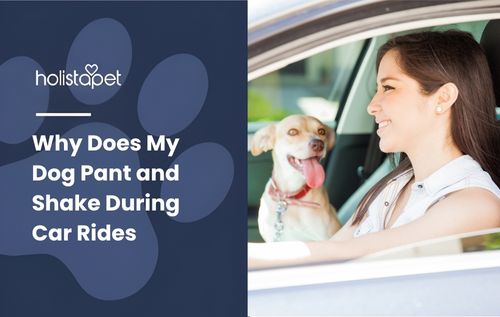
A dog that pants and shakes during car rides usually feels anxious, overstimulated, or physically uncomfortable. Many dogs struggle with motion, unfamiliar movement, or past negative experiences in a vehicle.
Understanding the cause helps turn stressful trips into calmer, safer rides.
You can also explore more guidance in our dog care articles.
Why Does My Dog Pant and Shake While Travelling in a Car?

Dogs pant and shake in the car because they feel stressed, disoriented, or physically uneasy. The motion of the vehicle can trigger nausea, while unfamiliar sounds and constant movement can overwhelm their senses.
Some dogs also associate car rides with negative experiences like vet visits, which increases anxiety. These reactions show that the dog struggles to feel safe and comfortable during travel.
How Do I Know If My Dog is Stressed During Car Rides?
Dogs show clear physical and behavioral signs when they feel stressed in the car. These signals often appear early and can intensify as the ride continues.
Common physical signs include:
- Rapid panting even in cool temperatures
- Trembling or shaking
- Drooling more than usual
- Restlessness or constant shifting
- Ears pinned back and tense body posture
Behavioral changes also point to distress:
- Whining, barking, or sudden silence
- Trying to hide, cling, or move to the front
- Refusing to get into the car
- Excessive licking or yawning
- Loss of interest in treats or toys
Some dogs also show signs of motion discomfort:
- Vomiting or gagging
- Lethargy during or after the ride
- Avoiding eye contact and staying very still
What are the Common Causes for Canine Anxiety During Car Rides?
Several factors can trigger anxiety in dogs during car rides, often linked to how they perceive movement, past experiences, and their physical response to travel.
Motion Sensitivity
Some dogs feel nauseous due to the car’s motion, which creates a strong negative reaction.
- Inner ear imbalance disrupts spatial awareness
- Young dogs often struggle more due to underdeveloped balance systems
- The American Kennel Club notes that motion sickness can condition dogs to fear travel
This discomfort can quickly turn into anxiety over time.
Negative Associations
Dogs form strong emotional links with past events, especially unpleasant ones.
- Trips that end at the vet or grooming clinic
- Lack of positive experiences in the car
- Anticipation of discomfort based on memory
One stressful trip trains the dog to expect discomfort every time it enters the car.
Lack of Early Exposure
Dogs that rarely experience car rides may find them overwhelming.
- Unfamiliar sounds, vibrations, and confined space
- No gradual introduction during early development stages
- Limited opportunity to build confidence
The American Veterinary Society of Animal Behavior highlights early exposure as key to reducing fear responses.
Loss of Control
Dogs feel more secure when they understand their environment, which a moving car disrupts.
- Constant motion without the ability to stabilize themselves
- Inability to predict direction or stops
- Restricted movement in a confined space
This lack of control can heighten stress levels.
Sensory Overload
The car environment bombards dogs with intense stimuli.
- Loud traffic noise and engine vibrations
- Rapidly changing visuals outside the window
- Strong or unfamiliar smells inside the vehicle
Research in animal behavior shows that overstimulation can increase cortisol levels, which directly links to stress responses in dogs.
How Can I Help My Dog Travel Better?
Helping a dog travel better starts with reducing stress triggers and building positive associations with the car. Simple, consistent changes can make rides calmer and more manageable.
|
Strategy |
What to Do |
Why It Helps |
|
Calm Environment |
Use crate or seat belt |
Adds stability and reduces stress |
|
Positive Association |
Pair rides with rewards |
Builds a good emotional response |
|
Gradual Exposure |
Start small and increase slowly |
Prevents overwhelming the dog |
|
Motion Management |
Adjust feeding and take breaks |
Reduces nausea and discomfort |
|
Consistent Routine |
Keep actions predictable |
Lowers anxiety through familiarity |
|
ECS Support with CBD |
Use pet safe CBD options |
Promotes calmness and balance |
Create a Calm Environment
A stable and quiet space helps the dog feel secure during travel.
- Use a well ventilated crate or a dog seat belt
- Keep the temperature cool and comfortable
- Play soft, consistent background noise if it helps mask traffic sounds
The American Kennel Club supports restraint systems not only for safety but also for reducing anxiety through stability.
Build Positive Associations
Dogs respond well when the car connects to pleasant experiences.
- Start with short, calm trips that do not end in stressful places
- Reward calm behavior with treats or praise
- Let the dog learn the car while it is stationary
Veterinary behaviorists widely endorse positive reinforcement as the most effective approach for reducing travel fear.
Reinforcing calm behavior during outings, such as practicing tips for walks, can also help reduce travel anxiety over time.
Gradually Increase Exposure
Slow exposure helps the dog adjust without feeling overwhelmed.
- Begin with sitting in the parked car
- Progress to short drives around the block
- Increase duration only when the dog remains relaxed
The American Veterinary Society of Animal Behavior recommends gradual desensitization to reduce fear responses.
Manage Motion Discomfort
Reducing physical discomfort can improve the overall experience.
- Avoid feeding a full meal right before travel
- Schedule breaks during longer trips
- Consult a veterinarian about anti nausea options if needed
Studies in veterinary medicine link reduced nausea with lower anxiety during travel.
Stay Calm and Predictable
Dogs pick up on human behavior and routine.
- Keep a consistent routine before and during travel
- Use a calm tone and avoid sudden reactions
- Practice regular travel to build familiarity
Research in applied animal behavior shows that consistent routines help lower stress hormones in dogs.
Support Calmness with CBD
CBD can help regulate stress responses by interacting with the endocannabinoid system, which plays a role in mood, balance, and overall well being in dogs.
- The ECS helps maintain internal stability, including stress and emotional responses
- CBD supports ECS receptors that influence relaxation and calm behavior
- A study published in Frontiers in Veterinary Science found that CBD may help reduce stress related behaviors in dogs
Products like hemp oil tinctures for dogs and lab-tested dog treats are designed to support calmness without causing sedation.
- CBD dog treats offer a convenient and familiar way to administer support
- CBD oils allow flexible dosing based on the dog’s size and needs
- Products use natural ingredients and undergo quality testing for safety
Additional support may include dog digestive probiotics and calming melatonin for dogs to promote overall balance.
For a deeper understanding, you can review our pros and cons of CBD oil for dogs.
When Do I Go to the Vet for My Dog’s Oversensitivity to Car Rides?

Go to the vet when the dog’s reaction becomes severe, persistent, or affects overall health. Seek professional help if the dog vomits frequently, refuses to eat before or after trips, shows extreme panic, or does not improve despite gradual training.
A veterinarian can rule out underlying medical issues such as vestibular problems or severe motion sickness and may recommend targeted treatments or behavior support to improve travel tolerance.
Start Reducing Car Ride Anxiety This Week
Dogs that pant and shake in the car respond well to consistent desensitization, motion management, and targeted calm support. Most improve within weeks when owners apply the strategies above in sequence.
Frequently Asked Questions
Can certain dog breeds be more sensitive to car rides?
Yes. Some breeds show stronger reactions due to general fear or sensitivity to movement. Smaller dogs and those prone to car anxiety often display common signs like panting heavily and restless body language during car travel.
Does age affect how a dog reacts to car rides?
Yes. Puppies may struggle with balance, which can lead to travel sickness. Older dogs may deal with joint discomfort or health issues that make car travel harder to handle.
Can car rides cause long term anxiety in dogs?
Yes. Repeated negative experiences can increase travel anxiety over time. Without proper training and calming aids, dogs may begin to avoid car travel entirely.
Should a dog look out the window during a car ride?
It depends on the dog. Some feel more relaxed with fresh air and visual stimulation, while others become too excited or overwhelmed by other dogs and passing movement. Watch body language to decide what helps reduce anxiety.
Is it safe to give calming supplements before travel?
Some calming aids like pheromone sprays or vet approved medications can help reduce travel anxiety. Always consult a veterinarian to ensure safe use and correct dosage.
How long does it take for a dog to get used to car rides?
It varies. Some dogs adjust after a few short trips, while others need repeated short rides with frequent breaks to build comfort and reduce anxiety.







Leave a comment
All comments are moderated before being published.
This site is protected by hCaptcha and the hCaptcha Privacy Policy and Terms of Service apply.