



A dog that likes to sleep on me usually looks for comfort, security, and a close bond with a trusted person. This habit is totally normal and often reflects a strong emotional connection.
Most dogs rest close to someone they trust because that spot feels like a safe place. Wild dogs relied on staying near their group to stay protected, and many pets still carry that instinct into daily life. Learning why a dog chooses to sleep so close can help explain this affectionate behavior.
Key Takeaways
- Dogs usually sleep against their owners because they feel safe, comfortable, and emotionally connected.
- Affection, warmth, habit, and natural social instincts all play a role in this behavior.
- Sleeping close is usually harmless, but sudden changes can point to anxiety or a health concern.
- Bed sharing offers benefits but also comes with sleep, hygiene, and behavioral considerations.
- Consistent routines and positive reinforcement can help dogs learn to sleep independently when needed.
Does It Matter if a Dog Sleeps On or Against You?
In most cases, no. A dog can sleep on you or sleep against you because both positions provide comfort, security, and close physical contact with someone they trust. Canine behaviorist Leigh Siegfried explains, "The same way a child may cuddle with an adult is the same way a dog may want to cuddle with their owner."
Why Does My Dog Sleep Against Me?
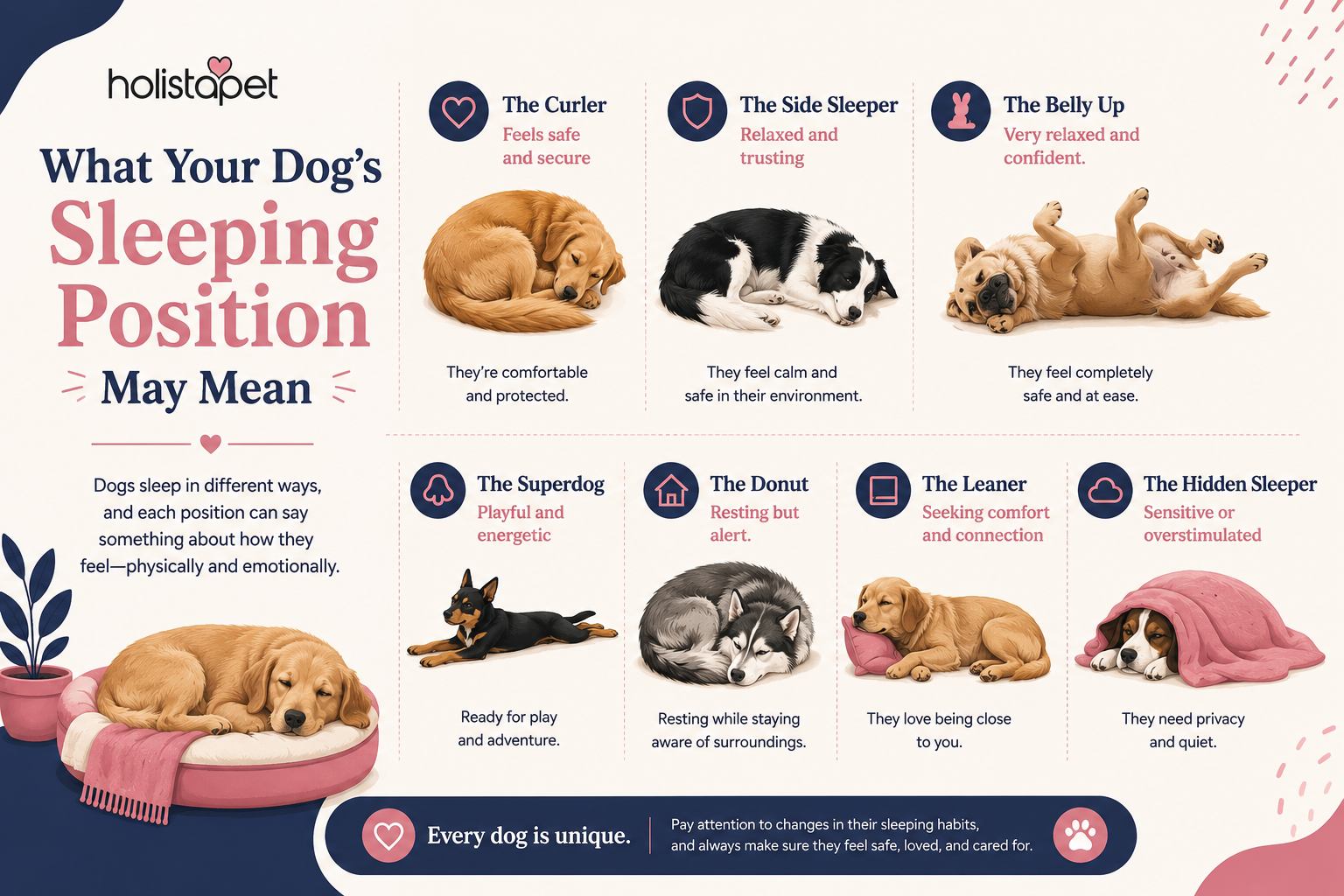
Dogs often sleep close to people they trust because physical contact supports comfort, bonding, and security. This behavior connects to natural sleep patterns that encourage social animals to rest near familiar companions.
1. Your Dog Feels Secure Near You
Sleep leaves dogs less alert, so they often choose a safe place near someone they trust. A dog that presses against you shows confidence in your presence and expects protection while resting.
2. Your Dog Shows Affection
Close contact gives dogs a simple way to express love. A pup may cuddle beside your legs, place its head on your feet, or rest its paws against you because it enjoys the bond you share.
3. Your Dog Wants Warmth
Dogs often seek body heat during colder months. Puppies sleep beside their mother and litter for warmth, and many keep that preference as they grow. Your body may feel more inviting than a soft bed or pillow.
4. Your Dog Has Formed a Habit
Some dogs repeat this behavior because it has become part of their nightly routine. Once a dog learns that sleeping close feels relaxing, the habit can continue for much of its life.
5. Your Dog Wants Attention
A dog may sleep against you because close contact often leads to petting, talking, or a cuddle. If this response happens often, your dog may keep returning to the same spot to gain your attention.
6. Your Dog Feels Anxious
Stress can make dogs seek physical reassurance. Loud sounds, changes in the house, unfamiliar guests, or separation concerns may cause a dog to stay closer than usual. Contact with a trusted person can help the dog find comfort.
7. Your Dog Learned the Behavior
Dogs quickly learn which actions bring pleasant results. For example, if lying against you leads to affection or access to the bed, your dog may repeat the behavior because it expects the same reward.
8. Pack Instinct Encourages Closeness
Dogs developed strong social habits from ancestors that lived in groups. Pack members rested together for protection and companionship. A dog that sleeps against you may treat you as part of its social group.
9. Your Scent Helps Your Dog Relax
Dogs rely heavily on scent. Your familiar smell signals comfort and stability, which can help your dog settle faster and rest more deeply.
10. Your Dog Wants to Protect You
Some dogs stay close because they feel protective. Sleeping beside you allows them to notice movement, sounds, or changes nearby while remaining close to someone they value.
11. The Position Feels Comfortable
A dog may simply enjoy the position. Resting against your legs, feet, or side can provide support after an active day. This behavior remains totally normal unless the dog shows pain, discomfort, sudden changes, or trouble settling. In those cases, contact a vet.
Are There Benefits to Bed-Sharing with Dogs?

Yes. For many people and dogs, bed sharing can strengthen the bond and provide comfort, as long as everyone sleeps safely and comfortably.
- Strengthens your bond: Sleeping close can reinforce trust and deepen your connection with your dog.
- Provides comfort: Physical closeness helps many dogs and owners feel more relaxed at bedtime.
- Helps some dogs feel secure: Staying near a trusted person can reduce stress and help dogs settle more easily.
- Offers warmth: Body heat can keep both you and your dog comfortable, especially during colder months.
- May support emotional well being: Relaxing with a trusted companion can promote calmness before sleep.
What are the Drawbacks of Sharing a Bed with Your Dog?
Sharing a bed with your dog can work well for many households, but it also comes with a few drawbacks. Sleep quality, hygiene, and personal comfort are the most common concerns.
- Interrupted sleep: Dogs may move, snore, dream, or wake during the night, which can disturb your rest.
- Less space: Large dogs can take up more room and make it harder to find a comfortable sleeping position.
- Allergens and dirt: Fur, dander, mud, and outdoor debris can end up in your bed more often.
Some dogs also become too dependent on sleeping beside their owners. If your dog struggles to relax alone or becomes distressed when separated, the habit may contribute to separation anxiety or reinforce an existing issue.
When Should I Share a Bed with My Dog?
A shared bed may be a good choice if:
- Everyone sleeps well: Neither you nor your dog wakes often or interrupts the other's rest.
- Your dog is healthy: Regular grooming, parasite prevention, and good hygiene help keep the sleeping area clean.
- Your dog follows boundaries: Your dog settles calmly and can also sleep in its own bed when needed.
- The bed is large enough: Both of you have enough space to rest comfortably.
If bed sharing affects your sleep, creates hygiene concerns, or causes your dog to rely on constant contact, consider giving your dog a separate sleeping space instead.
When is Close Sleeping Concerning for Dogs?
Sleeping close to you rarely signals a problem on its own. Most dogs enjoy staying near someone they trust. However, a sudden change in this habit or unusually clingy behavior can point to an underlying issue that deserves attention.
Watch for these signs:
- Your dog becomes distressed every time you leave the room, which may suggest separation anxiety.
- Your dog starts sleeping against you after showing signs of pain, discomfort, or illness.
- Your dog seems restless, wakes often, or struggles to settle despite feeling tired.
- Your dog becomes unusually needy after a major change in the house, such as moving or adding a new pet.
If this behavior appears alongside other physical or behavioral changes, schedule a visit with a vet. Early evaluation can help identify medical conditions, anxiety, or other concerns before they become more serious.
How to Encourage My Dog to Sleep Independently?

If you want more space at night, help your dog adjust with patience instead of suddenly changing the routine. Small, consistent steps make the transition easier and help your dog build confidence in a separate sleeping spot.
A comfortable sleep area, clear boundaries, and positive reinforcement can encourage your dog to rest independently without causing unnecessary stress.
|
Strategy |
Purpose |
Key Benefit |
Helpful Tip |
|
Comfortable dog bed |
Creates a safe sleeping environment |
Encourages the dog to stay in one spot |
Choose a bed that fits the dog’s size and sleeping style |
|
Consistent bedtime routine |
Signals sleep time |
Builds predictable habits |
Keep the same bedtime each night |
|
Positive reinforcement |
Rewards desired behavior |
Strengthens independent sleep training |
Reward calm behavior immediately |
|
Calming treats or CBD products |
Supports relaxation |
Helps dogs adjust to sleeping alone |
Offer CBD treats from trusted brands like Holistapet before bedtime |
|
Gradual distance training |
Reduces separation stress |
Builds confidence step by step |
Move the bed slowly over several nights |
|
Ignoring attention seeking |
Prevents reward for unwanted behavior |
Reinforces boundaries |
Stay calm and avoid reacting to whining |
Create a Comfortable Sleeping Area
A dog accepts independent sleep more easily when the space feels safe and inviting. Choose a quiet location and make the bed appealing.
- Use a soft dog bed that supports joints
- Place the bed in a calm and low traffic area
- Add a familiar blanket or toy with your scent
Build a Consistent Bedtime Routine
Dogs respond well to structure. A predictable nighttime routine signals that it is time to rest in their own space.
- Schedule evening walks or playtime before bed
- Offer water and a bathroom break before sleep
- Guide the dog to its bed at the same time each night
Use Positive Reinforcement
Reward the behavior you want to see. Dogs learn faster when rewards follow calm actions in their designated sleep area.
- Give treats when the dog settles in its own bed
- Offer calm praise to reinforce the behavior
- Avoid punishment that may create stress
Introduce Calming Rewards
Some pet owners use natural products for dogs to help encourage relaxation before bedtime when recommended by their veterinarian since they may help them relax and stay in their own bed. CBD oil for dogs and calming chews may help support relaxation through the during bedtime training.
Gradually Increase Distance
Dogs adjust better when changes happen slowly. Gradual distance builds confidence without causing anxiety.
- Start with the dog bed near your bed
- Move the bed farther away over several nights
- Eventually place the bed in its final location
Ignore Nighttime Attention Seeking
Some dogs return to their owners because they receive attention. Calm and consistent responses help break this habit.
- Avoid petting or talking when the dog leaves its bed
- Guide the dog back to its sleeping spot quietly
- Stay consistent until the dog adapts
Frequently Asked Questions
Is it normal for a dog to sleep pressed tightly against its owner?
Yes. Many dogs choose this position because it feels secure and familiar. Close contact often signals comfort and trust in the owner.
Do certain dog breeds prefer sleeping close to their owners?
Yes. Companion breeds such as Cavalier King Charles Spaniels, Pugs, and Chihuahuas often prefer close contact because they develop strong attachment to their owners.
Should I worry if my dog suddenly starts sleeping closer than usual?
Sudden changes in sleep behavior can signal stress, illness, or environmental changes. Monitor other behaviors and consult a veterinarian if unusual signs appear.
Can puppies grow out of the habit of sleeping against their owners?
Yes. Many puppies develop more independent sleep habits as they mature, especially with consistent routines and training.
Does age affect how closely a dog sleeps with its owner?
Yes. Senior dogs often seek more physical contact because warmth and closeness help them stay comfortable during rest.
Help Your Dog Sleep Better Than Before
Dogs sleep best when they feel safe, comfortable, and relaxed. Clear routines, proper training, and supportive solutions help dogs develop healthy sleep habits while strengthening their confidence and overall well being.







Leave a comment
All comments are moderated before being published.
This site is protected by hCaptcha and the hCaptcha Privacy Policy and Terms of Service apply.