

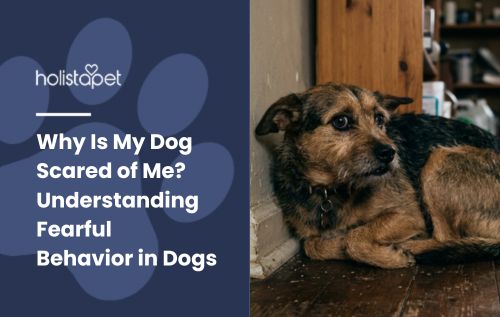
You may notice your dog avoiding you without an obvious explanation. You may wonder, "Why is my dog scared of me?"
Whether your dog is dealing with past trauma, a frightening event, or general anxiety, remember that their behavior isn't a reflection of you, it's a survival mechanism. Browse our dog owner guides for more practical advice on understanding canine behavior. The good news? By using positive reinforcement and basic canine psychology, you can build the trust your pup needs to feel safe, confident, and fully loved.
Common Causes of Fear in Dogs
 Dogs don't wake up one day and decide to act scared for fun. There's always a reason behind their fearful behavior. Understanding the root cause is the first step toward helping them feel secure and confident.
Some canines have a genetic predisposition to being shy, while others develop fear due to past experiences. Common triggers include unexpected loud noises, sudden movements, and negative encounters with humans or other dogs. A newly adopted dog may also need time to adjust to their new environment.
Previous Negative Experiences or Trauma
A dog who's scared due to negative past experiences can take time to trust again. Previous trauma, harsh punishment, and neglect may make them associate humans with fear. Even sudden movements or a raised voice can make them cower.
Signs of previous abuse include avoidance, pinned-back ears, lip licking, no eye contact, and cowering. These clues don't mean your dog doesn't love you. They need small victories and positive interactions to feel secure again.
Lack of Early Socialization
Dogs learn a lot about the world when they're young. Fearful canines may lack early exposure to other dogs, people, or new environments. Young age is the best time for socialization, but older pups can still build confidence over time.
A fearful dog might react nervously to unexpected movements, loud noises, and unfamiliar faces. They may avoid direct eye contact, freeze up, or hide. But with positive reinforcement and safe-space training, they can gradually adjust and feel more comfortable.
Sudden Environmental or Situational Triggers
Some dogs develop fear after a specific event, such as:
-
Loud noises (fireworks, thunder)
-
Sudden movements or accidents
-
Changes in household routine
-
Negative encounters with strangers or animals
Even a single distressing event can influence future behavior, understanding why do dogs run away is a related concern that often stems from the same fear-based triggers.
Signs Your Dog May Be Scared
Fear in dogs is primarily expressed through body language and behavioral changes. These signals often appear in combination rather than isolation.
Common signs include:
-
Tucked tail or lowered posture
-
Avoiding eye contact
-
Freezing or reduced movement
-
Hiding or moving away
-
Lip licking, yawning, or panting without exertion
-
Reluctance to approach familiar people
Recognizing patterns of behavior is more accurate than focusing on one isolated sign.
Anxiety and Stress-Related Behaviors in Dogs
Anxiety and stress can show up in many ways. Watch out for the following signs that could indicate your dog is struggling with fear:
-
Licking Their Lips. This can be a sign of nervousness or discomfort.
-
Pacing. Dogs may pace when they're anxious, knowing how often should i take my canine to the vet can help catch anxiety-related issues before they escalate.
-
Hiding. If your pup retreats to a corner or under furniture, they might be feeling stressed.
-
Tense Body. A stiff, rigid posture signals anxiety.
-
Whining or Barking: Dogs may vocalize more when anxious or stressed.
-
Excessive Drooling: Anxious dogs may drool more than usual.
-
Panting: Rapid, shallow breathing can be a sign of stress or fear.
-
Avoiding Eye Contact: A dog may look away to avoid confrontation or stressful situations.
Why a Dog May Seem Scared of a Specific Person?
 So, why is your dog scared of you? The answer often lies in their previous experiences, instincts, and perceptions of their environment.
It's not always about you directly. It could be how your furry friend interprets your gestures, tone of voice, or actions. Building trust begins with understanding the underlying causes of a dog’s fear response.
High-Pitched or Loud Voices and Their Effect on Dogs
High-pitched or loud voices can make dogs feel uneasy or scared. Yelling or using a loud tone might seem like a good way to get their attention, but it can often have unpleasant effects. Loud arguments or even loud voices from a television or radio can also frighten dogs, especially if they are sensitive to loud noises.
Instead of raising your voice, try speaking calmly and reassuringly to help your dog feel safe. Communicating with a softer tone encourages trust, making it easier for them to relax and feel more at ease around you.
Loud Noises and Fear in Dogs
Loud noises, such as thunder, fireworks, slamming doors, or the vacuum cleaner, can send your dog into a state of panic. These sudden, unexpected sounds can be terrifying for our canine friends.
Create a calm environment for your pup by providing them with a safe spot. It can be a quiet room or a cozy corner where they can retreat. Reduce exposure to noisy triggers, and you'll see your furry friend's happily wagging tail again!
How To Help Your Dog Overcome Fear
 Helping your dog overcome their fears is well worth the effort. Here are some ways to guide your pup through their worries:
-
Building Trust and Positive Associations. Use treats and praise to create positive associations with things that might scare your dog.
-
Offering Safe Spaces and Comfort. Create a designated safe area in your home where your dog can retreat when they're feeling scared.
-
Adjusting Your Own Behaviors Around Your Dog. Speak softly and stay calm to help your pup feel more at ease and confident around you.
-
Consistency and Patience: Be patient with your dog, and keep your interactions consistent to build confidence and a sense of security.
-
Using Calming Products: Consider using calming aids like our CBD oil collection for dogs, CBD treat variety for dogs, or melatonin treats for dogs to promote relaxation and calm.
-
Desensitization and Counter-Conditioning: Gradually expose your dog to the source of their fear in small, controlled doses while pairing it with positive rewards to reduce the fear response over time.
Addressing Specific Behaviors That Indicate Fear
When your dog shows fear, address their specific behaviors right away. Whether it's growling, barking, or retreating, understanding the root cause of these reactions can help you guide your pet toward greater comfort.
Remember to approach these fear responses with patience and consistency. With the right strategies, your furry buddy will begin to trust you more and feel less afraid.
How To Handle Growling, Whining, or Barking
Growling, whining, or barking can be your dog's way of communicating fear or discomfort. These vocalizations are often a warning sign that they're feeling anxious or scared.
Instead of reacting with frustration, try to remain calm and assess the situation. Use positive reinforcement to redirect your dog's attention, offering treats, toys, or praise when they settle down. By staying calm and consistent, you can help your pooch feel more secure and teach them that a calm demeanor gets rewarded.
What To Do When Your Dog Avoids You
When your dog avoids you, it can feel disheartening. But it's important to approach the situation with patience. If your pooch runs away or hides when you try to interact, it could be a sign of fear or uncertainty.
You can start by giving them space and letting them come to you on their own terms. You can also gently coax them out of hiding with tasty treats or their favorite toy. Over time, this will help your furry buddy associate your presence with safety and positive experiences.
How To Promote Calmness in Fearful Dogs
Helping your fearful dog stay calm is crucial to building their confidence. It's important to approach their fear with patience and create an environment where your dog feels secure.
Calming techniques, positive associations, consistent routines, and gentle interactions can all help your dog learn to manage their fear. The following strategies can help promote calm behavior and reduce anxiety in dogs.
Positive Reinforcement and Patience
Positive reinforcement is one of the best ways to encourage calmness in a fearful canine. Reward your dog with treats, praise, and affection when they exhibit calm behavior. This helps them connect good behavior with pleasurable outcomes.
Be patient; our canine friends need time to learn and trust that their calm actions will always get rewarded. Consistency is vital, so keep offering those rewards and encouragement every time your pup shows progress.
Desensitization Techniques for Dogs
Desensitization involves gradually exposing your dog to things that scare them in a controlled and non-threatening way. The key here is to start slowly.
If your pooch gets scared of loud noises, play them at a low volume and gradually increase it over time. This method helps your pup build tolerance and confidence, reducing fear responses.
The Use of CBD in Easing Canine Fear
CBD is sometimes used as a supplemental option to support relaxation in dogs experiencing stress or anxiety. It interacts with the endocannabinoid system, which plays a role in regulating mood and stress responses.
Some pet owners consider CBD-based products as part of a broader approach to managing anxiety in dogs, supported by resources such as AKC: CBD Oil for Dogs — What You Need to Know and a PubMed: Pharmacokinetics, Safety, and Clinical Efficacy of CBD in Dogs review. However, responses may vary depending on the individual animal.
Veterinary consultation is recommended before introducing any supplement, including CBD, to ensure it is appropriate for the dog’s condition and needs. Some owners also add beneficial bacteria for dogs to their dog's daily routine, as gut health and stress responses are closely connected in canines.
Patience and Consistency Are Key To Overcoming Fear
Always remember, patience and consistency are essential when helping a fearful dog overcome their fears. Dogs need time to adjust and feel confident, especially if they've had negative experiences in the past.
Consistently reinforce positive actions, maintain a calm demeanor, and offer plenty of reassurance to help build your dog's confidence. Progress might be slow, but every small victory counts. With consistent application, dogs can gradually develop trust and a greater sense of security.
When To Seek Professional Help for Your Fearful Dog
 Sometimes, addressing your dog's fearful behavior may require the help of a professional. If your pet's fear is severe, persistent, or results in aggression, seek guidance from a trainer or behaviorist.
A professional can assess your dog's specific needs and create a tailored plan to address their triggers. Don't hesitate to reach out for help. Getting support can lead to faster progress and a happier, healthier relationship with your furry friend.
Final Thoughts: Helping Your Dog Feel Safe and Secure
Helping your furry buddy feel safe and secure is a journey, but it leads to a stronger bond and a happier life together. Whether through structured training, environmental management, or veterinarian-guided calming support when appropriate.
Take it one step at a time. And remember: Patience and understanding will go a long way in helping your dog overcome their fears. With consistent effort and love, your canine bestie will feel more confident, relaxed, and ready to enjoy their best life with you!
Find more helpful tips in our dog owner guides covering everything from anxiety management to everyday canine wellness.
FAQs
Why is my dog acting scared of me all of a sudden?
A dog acting scared may be reacting to loud noises, sudden movements, negative experiences, or recent events that made them feel unsafe. Sometimes, a dog’s fear is not really about you but about how the dog feels in that moment. Watch their body language: tucked tail, lip licking, avoiding eye contact, hiding, or acting scared when you walk past.
Why is my dog scared even when I did nothing wrong?
A dog scared of a person may have past trauma, past experiences with a previous owner, or a scary experience that made them afraid of human emotions, direct eye contact, or physical contact. This is common in rescue dogs or a newly adopted dog that still needs a few weeks to feel safe in a new home.
Is it normal for a puppy scared of people to hide?
Yes. A young puppy may go through fear periods, including a second fear period, during which new things suddenly feel like scary places. During these early periods, the puppy may exhibit signs of fear, anxiety, or avoidance. Keep training sessions short, use high-value treats, and build positive associations slowly.
How can I tell if my dog is scared?
Common signs include lip licking, tucked tail, shaking, hiding, pacing, avoiding eye contact, refusing food, or staying away from a person. Some dogs make themselves small, freeze, or avoid other dogs. These signs show that the dog is scared, fearful, stressed, or unsure.
How do I help my dog feel safe again?
Give your dog a safe space, avoid direct eye contact, use calm behavior, and reward brave moments with treats. Positive reinforcement helps create positive associations and positive experiences. Let the dog choose when to come closer, rather than forcing physical contact.







Leave a comment
All comments are moderated before being published.
This site is protected by hCaptcha and the hCaptcha Privacy Policy and Terms of Service apply.