

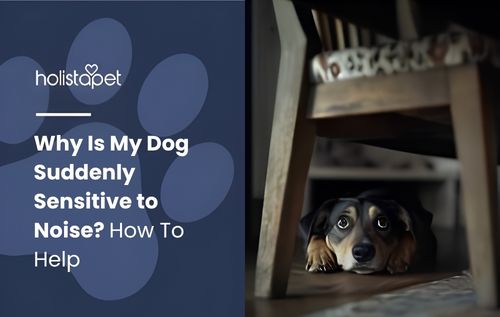
If your dog suddenly becomes sensitive to noise, you may notice behaviors such as shaking, hiding, barking, pacing, or trying to escape during loud events. This change can feel concerning, especially if your dog was previously comfortable with everyday sounds.
Noise sensitivity in dogs can develop gradually or appear suddenly due to changes in health, environment, age, or past experiences. The good news is that with the right approach, many dogs can feel more secure and less stressed over time.
This guide explains the possible causes of sudden noise sensitivity in dogs, warning signs to watch for, and safe ways to support your pet at home.
The Science Behind Noise Sensitivity in Dogs

Dogs experience the world differently than humans, especially when it comes to hearing. Their ears can detect a wider range of frequencies and sounds from much farther away. Because of this heightened hearing ability, noises that seem harmless to us may feel intense or overwhelming to dogs.
Sudden or unfamiliar sounds can trigger a dog’s natural stress response, especially in dogs with sensitivity to noise. While some dogs recover quickly, others may become increasingly fearful over time.
Why Dogs React Strongly to Certain Sounds?
Dogs can hear frequencies that humans cannot detect, which means they often notice background sounds long before we do. Household appliances, fireworks, thunder, sirens, and certain dogs naturally react more strongly to environmental sounds. When a loud or unexpected sound occurs, their body may interpret it as a potential threat, leading to fearful behaviors.
What Causes Sudden Noise Sensitivity in Dogs?
Dogs experience sound much more intensely than humans. Their hearing range is wider and more sensitive, which means certain noises can feel overwhelming or unpredictable.
Sudden noise sensitivity often happens when a dog’s stress response is triggered more easily than before. This may be temporary or develop into a long-term fear response if not addressed early.
Some behavioral changes may overlap with broader wellness factors, which are also discussed in general dog care information resources.
Common Causes of Noise Sensitivity in Dogs

- Age-Related Changes. As dogs get older, changes in hearing and cognitive function can sometimes increase anxiety or confusion around certain sounds.
- Past Negative Experiences. A frightening event connected to a specific noise may create lasting fear. Dogs can develop strong associations between sounds and stressful experiences.
- Underlying Health Issues. Pain, illness, or neurological conditions may affect how dogs respond to stimulation. If your dog’s behavior changes suddenly, a veterinary checkup is important.
- Environmental Changes. Moving to a new home, changes in routine, new pets, or increased household activity may increase stress levels and make dogs more reactive to sound.
- Genetic Predisposition. Some breeds and individual dogs may naturally be more sensitive to environmental stimuli than others.
In cases where anxiety is linked to stress responses, some owners also explore supportive approaches like organic CBD oil for dogs or CBD wellness treats for dogs as part of a broader care plan.
Can Noise Sensitivity Cause Anxiety in Dogs?
Yes. Repeated exposure to frightening sounds can contribute to ongoing stress and anxiety in some dogs.
Common signs of noise-related anxiety include:
- Trembling
- Hiding
- Excessive barking
- Pacing
- Panting
- Drooling
- Clingy behavior
- Attempts to escape
Some dogs only react during major events like thunderstorms or fireworks, while others may become fearful of everyday household sounds.
Calming support strategies may also include supplements such as dog vitamin chews or digestive balance support like probiotics for dog gut health depending on the dog’s overall condition.
When Noise Sensitivity Becomes Noise Phobia
In more severe cases, dogs can develop noise phobia. This condition involves an intense fear response that may worsen over time without proper support or training.
Dogs with severe noise anxiety may:
- Panic during storms or fireworks
- Become destructive
- Refuse food
- Try to run away
- Injure themselves while attempting to hide or escape
If your dog’s fear seems extreme, develops into a phobic response, or continues to worsen, professional guidance may help.
How To Help a Dog With Noise Sensitivity?

Helping a noise-sensitive dog usually involves creating a calm environment and gradually building positive associations with sound.
Behavioral support strategies are often explored alongside related topics such as what is aromatherapy for dogs to help create a calmer environment.
Create a Safe and Quiet Space
Designate a comfortable area where your dog can relax during stressful events. Soft bedding, favorite toys, and reduced outside noise can help create a sense of security.
Many dogs feel more comfortable in:
- Covered crates
- Quiet bedrooms
- Interior rooms away from windows
- Spaces with calming background noise
Use Gradual Desensitization
Desensitization involves exposing your dog to low-level sounds in a controlled way while rewarding calm behavior. Over time, this may help reduce fear responses.
This process should always be slow and never force the dog into distress.
Use Positive Reinforcement
Reward calm behavior with treats, praise, or affection during noisy situations. Positive reinforcement helps dogs build healthier associations with sounds that previously triggered fear.
Use White Noise or Calming Sounds
White noise machines, calming music, fans, or television audio may help mask sudden noises that startle your dog.
Many pet owners use background sound during:
- Thunderstorms
- Fireworks
- Construction work
- Busy gathering
Consider Dog Ear Protection
Some dogs tolerate specially designed ear coverings or noise-reduction muffs. These products may help lower sound intensity during loud events.
Introduce protective gear gradually so your dog can adjust comfortably.
Can Supplements Help With Noise Sensitivity?
Some pet owners learn calming supplements as part of a broader behavioral support plan. Certain calming products may help promote relaxation in dogs experiencing situational stress.
However, responses vary between dogs, and supplements should never replace behavioral training or veterinary care when anxiety is severe.
It is always best to consult a veterinarian before introducing any new supplement into your dog’s routine.
HolistaPet Calming Products for Dogs
Some owners study calming supplements, including CBD (cannabidiol), alongside behavioral support strategies. HolistaPet offers calming products formulated for dogs experiencing occasional stress related to loud noises, travel, or environmental changes, with CBD (cannabidiol) commonly explored as a wellness ingredient for relaxation and comfort.
Popular options include:
- CBD Dog Treats for Anxiety
- CBD Calming Chews for Dogs
- CBD Wellness Dog Treats
- Broad-Spectrum CBD Oil for Dogs
- CBD Capsules for Dogs
HolistaPet products are made with naturally sourced ingredients and undergo third-party lab testing for quality and consistency.
Severe or persistent anxiety symptoms are often evaluated alongside broader stress-related conditions such as our stress in dogs.
When Should You Be Concerned About Your Dog’s Noise Sensitivity?

Mild sound sensitivity is fairly common in dogs, but severe reactions may require professional support.
Speak with your veterinarian if your dog:
- Suddenly develops extreme fear
- Shows destructive behavior
- Stops eating
- Attempts to escape
- Appears disoriented
- Experiences worsening anxiety over time
A veterinary evaluation can help rule out medical issues that may contribute to behavioral changes.
When To Consult a Veterinarian or Canine Behaviorist
A certified canine behaviorist may help if your dog’s anxiety significantly affects daily life. Behavior professionals can create structured training plans tailored to your dog’s specific triggers and reactions.
In some cases, veterinarians may also recommend medication alongside behavioral therapy for severe anxiety.
Long-Term Solutions for Managing Noise Anxiety in Dogs
Managing noise sensitivity often requires patience and consistency. Long-term strategies may include:
Long-term behavior management strategies are often supported by structured enrichment and mental stimulation routines to help reduce overall anxiety levels.
Behavioral Training
Structured behavior modification programs may help dogs respond more calmly to triggering sounds.
Gradual Sound Exposure
Slow, controlled exposure to sounds combined with rewards may improve confidence over time.
Environmental Management
Using calming spaces, background noise, and predictable routines can help reduce stress.
Veterinary Support
Some dogs benefit from professional medical or behavioral support, especially during severe anxiety episodes
Final Thoughts on Sudden Noise Sensitivity in Dogs
Sudden noise sensitivity in dogs can feel stressful for both pets and owners, but many dogs improve with the right support and management strategies.
Understanding possible triggers, recognizing anxiety signs early, and creating a calming environment can help your dog feel more secure during loud or unfamiliar situations.
Whether the cause involves aging, stress, past experiences, or environmental changes, a combination of patience, training, and professional guidance may help your dog regain confidence over time.
FAQs
Why is my dog suddenly sensitive to noise?
Dogs may suddenly become sensitive to noise because of aging, stress, environmental changes, past experiences, or underlying health conditions. Loud or unfamiliar sounds can feel overwhelming for some dogs.
What noises commonly trigger dogs?
Common triggers include fireworks, thunderstorms, sirens, vacuum cleaners, construction sounds, alarms, and other sudden loud noises.
How do I know if my dog has noise anxiety?
Signs may include shaking, hiding, pacing, barking, drooling, panting, clinginess, or attempts to escape during noisy situations.
Can dogs outgrow noise sensitivity?
Some dogs improve with training and support, while others may continue to need long-term management strategies.
Should I take my dog to the vet for sudden noise sensitivity?
Yes. Sudden behavioral changes should always be discussed with a veterinarian to rule out underlying medical concerns.








Leave a comment
All comments are moderated before being published.
This site is protected by hCaptcha and the hCaptcha Privacy Policy and Terms of Service apply.