


Some dogs may experience digestive discomfort when eating certain foods. This can result in symptoms such as loose stools, gas, or reduced appetite.
Dog food formulated for sensitive stomachs is designed with simplified ingredients and digestibility in mind. These diets may help support gastrointestinal comfort and overall well-being in dogs with food sensitivities.
This guide highlights nine dog food options commonly chosen for sensitive stomachs, along with key ingredients that may help support healthy digestion part of a broader approach to dog nutrition tips every owner should know.
Quick Comparison of the Best Dog Food for Sensitive Stomachs
|
Product |
Best For |
Key Digestive Benefits |
|
Blue Buffalo True Solutions |
Digestive Support |
Prebiotic fiber and probiotics |
|
Blue Buffalo Basics Limited Ingredient |
Grain-Free Diets |
Limited ingredients and turkey protein |
|
Wellness Core Digestive Health Puppy |
Puppies |
Probiotics, pumpkin, and fiber-rich ingredients |
|
Hill's Science Diet Sensitive Stomach & Skin |
Seniors |
Prebiotic fiber and skin support |
|
Purina Pro Plan Sensitive Stomach |
Wet Food |
Easily digestible proteins and carbohydrates |
|
Nature's Recipe Easy to Digest |
Budget-Friendly Option |
Lamb, pumpkin, and sweet potatoes |
|
Stella & Chewy's Limited Ingredient Raw Blend |
Freeze-Dried Raw |
Limited ingredients and probiotics |
|
Nutro Limited Ingredient Large Breed |
Large Breeds |
Simplified recipe and joint support |
|
Natural Balance Small Breed |
Small Breeds |
Single animal protein and limited ingredients |
What Is a Sensitive Stomach in Dogs?
 A sensitive stomach in dogs generally refers to difficulty digesting certain foods or ingredients. This may lead to temporary digestive upset.
Common signs may include changes in stool consistency, gas, or reduced appetite. These signs may occur due to food sensitivities, dietary changes, or ingredient intolerance.
It is important to consult a veterinarian if symptoms are persistent or severe, as similar signs may also be associated with underlying health conditions.
Common Digestive Issues in Dogs
Dogs with sensitive stomachs often deal with the same set of tummy troubles. These issues can pop up suddenly or stick around until you figure out the right diet for them:
-
Loose or Watery Stools. Often caused by food-related sensitivities or poor dog food ingredients.
-
Frequent Vomiting. A clear sign that something isn't sitting right.
-
Excessive Gas. Usually, it points to something your dog struggles to digest.
-
Gurgling Noises. May signal irritation or slow digestion.
-
Loss of Appetite. If food keeps upsetting their stomach, your dog may start avoiding meals.
Symptoms of a Sensitive Stomach in Dogs
Not every dog will show the same signs, but some common red flags point to a sensitive stomach. Here are the symptoms to watch for:
-
Frequent Vomiting
-
Loose or Runny Stools
-
Excessive Gas
-
Loud Stomach Noises
-
Lack of Appetite
-
Licking Lips or Air
-
Eating Grass Often
-
Low Energy After Meals
What Causes Sensitive Stomachs in Dogs?
 There is no single cause of digestive sensitivity in dogs. It may be influenced by diet, environment, or individual digestive function.
1. Food Sensitivities or Intolerances
Some dogs may not tolerate certain proteins or ingredients such as chicken, beef, dairy, soy, or corn. These ingredients may contribute to digestive discomfort in sensitive dogs.
2. Low-Quality or Highly Processed Ingredients
Some diets contain fillers or artificial additives that may be harder to digest for certain dogs. Choosing diets with recognizable ingredients may help support digestive comfort.
3. Sudden Dietary Changes
Rapid changes in diet may disrupt the digestive system. Gradual transitions are generally recommended to support adaptation.
4. Overfeeding
Large portion sizes may place additional strain on digestion. Controlled feeding portions may help support gastrointestinal balance.
What To Look for in the Best Food for a Sensitive Stomach
Choosing dog food can feel like a guessing game, but there are a few things that make a big difference for sensitive pups. Look for these features on the label:
-
Limited Ingredient Recipes. Fewer ingredients mean fewer chances of triggering a reaction.
-
Easily Digestible Proteins and Carbohydrates. Look for highly digestible foods like real meat, brown rice, and sweet potato.
-
Grain-Free or Hypoallergenic Formulas. Helpful for dogs with grain or gluten sensitivities.
-
Added Probiotics and Prebiotics for Digestive Support. These support your pup's gut and help improve digestion and a standalone probiotics for dogs supplement can be a helpful addition when food alone isn't enough.
9 Best Dog Food for Sensitive Stomachs

Best for Digestive Support – Blue Buffalo True Solutions Kibble
 This formula includes real chicken and is designed with prebiotic fiber and probiotics that may help support digestive health. It is formulated for adult dogs with sensitive digestion.
Best Grain-Free – Blue Buffalo Basics Limited Ingredient
 This limited ingredient formula, uses turkey as the primary protein source and avoids common grains such as wheat, corn, and soy. It may be suitable for dogs with food sensitivities.
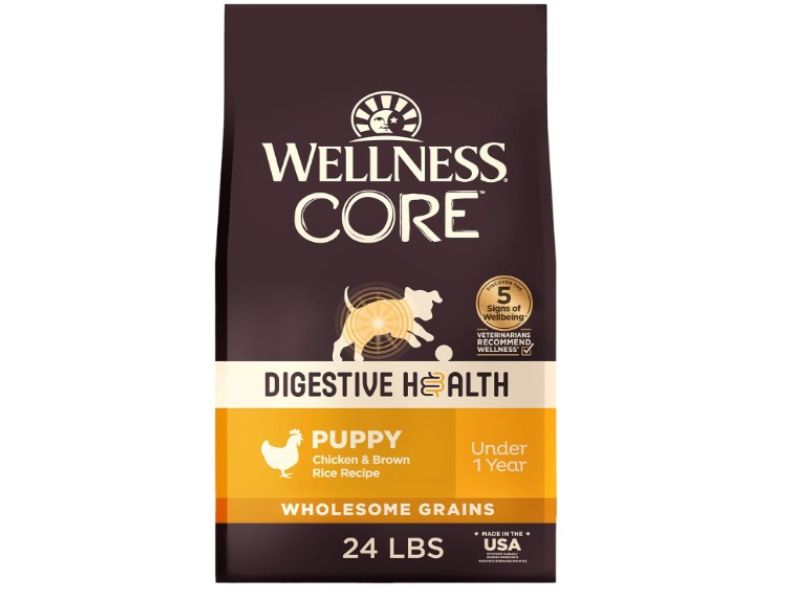
Best for Puppies – Wellness Core Digestive Health Puppy Kibble
 This puppy formula includes fiber sources such as pumpkin and oatmeal, along with probiotics that may support developing digestive systems.
Best for Seniors – Hill's Science Diet Sensitive Stomach & Skin
 This chicken-flavored dry food from Hill's Science uses gentle ingredients that support digestion and help maintain a shiny coat. It's designed specifically for adult or senior dogs who need a little extra care at mealtime. With prebiotic fiber and omega-6 fatty acids, it helps balance the gut and support healthy skin.
Best Wet Food – Purina Pro Plan Sensitive Stomach Canned Dog Food
 This wet food formula includes easily digestible proteins and carbohydrates. It also contains prebiotic fiber that may support gut health.
Best Budget-Friendly – Nature’s Recipe Easy to Digest
 Nature's Recipe offers a gentle, affordable option made with real lamb and easy-to-digest ingredients like sweet potatoes and pumpkin. It's crafted for different life stages, so it works whether you have a puppy or a senior. There are no poultry by-products or artificial extras, just simple food that supports digestion and overall well-being.
Best Freeze-Dried Raw – Stella & Chewy’s Limited Ingredient Raw Blend
 This Stella & Chewy's formula uses a limited ingredient approach that may appeal to some dogs with digestive sensitivities. It uses minimal ingredients, including coconut flour, pumpkin, and probiotics, to support digestion from every angle. It's packed with raw nutrition, freeze-dried to lock in flavor, vitamins, and minerals, and doesn't need refrigeration. You can use it as a full meal, topper, or high-value treat.
Best for Large Breeds – Nutro Limited Ingredient Large Breed
 This lamb-and-sweet-potato formula from Nutro is ideal for large breeds with food sensitivities. It sticks to 10 key ingredients or fewer and skips the usual problem-makers. It also includes natural sources of glucosamine and chondroitin to support joint health, which is a bonus for bigger pups.
Best for Small Breeds – Natural Balance Limited Ingredients Small Breed Kibble
This duck-and-potato recipe (other flavors also available) from Natural Balance is perfect for little pups with delicate tummies. It uses a single animal protein and avoids grains, gluten, soy, and artificial ingredients. The kibble size is just right for small mouths, but it's packed with flavor and nutrients.
Natural Ingredients That Help Soothe a Dog's Sensitive Stomach
 If your pup often deals with an upset stomach, certain natural foods can be real game-changers. The right blend can calm the gut, support digestion, and reduce those messy side effects. You'll see many of these ingredients in the products listed above. They're gentle, functional, and easy for most dogs to digest. Let's discuss a few of the standouts that really pull their weight.
Pumpkin, Sweet Potatoes & Oatmeal
Pumpkin is rich in fiber and helps regulate digestion without being too harsh. It's great for both loose stools and occasional constipation. Sweet potatoes offer gentle carbs and contain vitamins that support overall health similar to how antioxidants for dogs work to protect cells and bolster immune function from the inside out. Oatmeal brings in extra fiber and is especially useful for dogs who need a soft, soothing option. Together, they form a trio that's easy to digest and easy to love.
Related Post: Fiber for Dogs: Sources and Benefits Guide
Probiotic Blends and Digestive Enzymes
Probiotics and digestive enzymes play important roles in breaking down food and supporting nutrient absorption. They may help maintain a balanced gut environment and support normal digestive function in some dogs.
Many dog foods formulated for sensitive stomachs include probiotics, prebiotics, or digestive enzymes as part of their ingredient profile. Pet owners may also consider probiotic supplements when recommended by a veterinarian.
Probiotic supplements are available in various forms and may be considered alongside veterinarian-recommended dietary changes, with resources like VCA: Vitamins and Minerals for Dogs offering helpful context on what your dog actually needs.
Herbs and Supplement Use
Some dogs may experience digestive discomfort related to stress or environmental changes. Certain calming herbs, such as chamomile or ginger are sometimes used in wellness routines.
Some pet owners also study CBD products for dogs and explore CBD oil for dogs as part of their dog's broader wellness routine. However, research is still ongoing. CBD is not intended to diagnose, treat, or cure any condition. Veterinary consultation is recommended before use. Others opt for CBD hard chews for dogs as a more convenient format, though veterinary consultation is still recommended before introducing either option.
Feeding Tips for Dogs With Sensitive Stomachs
 Small changes to your routine can significantly affect how your pooch feels after eating. Here's what you can do:
-
Transitioning to a New Food Slowly. Mix a little different food with the old over 7–10 days to help avoid digestive upset.
-
Feeding Schedule and Portion Control. Stick to regular meal times and avoid overfeeding. Smaller, consistent portions are easier to digest.
-
Avoiding Table Scraps and Sudden Treats. Random snacks can throw off your dog's system. Stick to foods and treats made for sensitive stomachs, and consider adding daily vitamins for dogs to fill any nutritional gaps especially when limiting ingredient variety.
Final Thoughts – Choosing the Right Dog Food for Sensitive Stomachs
Choosing dog food for sensitive stomachs often requires attention to ingredient quality, digestibility, and individual tolerance.
Limited ingredient diets, easily digestible proteins, and formulas with probiotics may help support digestive comfort in some dogs.
Because each dog is different, consulting a veterinarian may help determine the most suitable diet. Gradual dietary transitions are also recommended to support digestive adjustment.
For more guidance on canine nutrition, digestive health, and wellness, the AKC: Does My Dog Need Vitamins? resource is a great starting point alongside your veterinarian's recommendations.
FAQs
What is the best dog food for sensitive stomachs?
The best option often includes limited ingredients, digestible proteins, and added gut-supporting nutrients like prebiotics or probiotics. Individual tolerance may vary.
How can I tell if my dog has a sensitive stomach?
Common signs include vomiting, loose stools, gas, reduced appetite, and digestive discomfort after meals. Veterinary consultation is recommended if symptoms persist.
Is wet or dry food better for sensitive stomachs?
Both may be suitable depending on the dog. Some dogs tolerate wet food better due to moisture content, while others do well with digestible dry formulas.
What ingredients should I look for?
Look for simple, recognizable ingredients such as chicken, lamb, rice, pumpkin, or sweet potato and if your dog enjoys fruit-based additions, you may also wonder whether dogs can safely enjoy our eat watermelon guide for a refreshing, gut-friendly treat idea.
Should grain-free diets be used?
Grain-free diets may help some dogs, but not all sensitive stomach cases require them. Veterinary guidance is recommended.
Can prescription diets help?
Prescription diets may be recommended for dogs with chronic or severe digestive issues. These should be used under veterinary supervision.
What proteins are easiest to digest?
Common options include chicken, lamb, and fish. However, tolerance varies by individual dog.








Leave a comment
All comments are moderated before being published.
This site is protected by hCaptcha and the hCaptcha Privacy Policy and Terms of Service apply.