

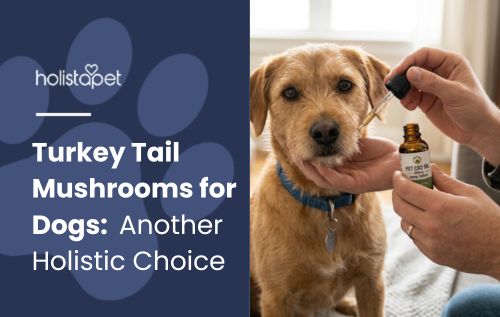
Dog owners use turkey tail mushrooms to support immune function and overall wellness. These mushrooms contain bioactive compounds, including polysaccharide-K (PSK), polysaccharopeptide (PSP), and beta-glucans, which activate macrophages and natural killer cells to maintain balanced immune responses. High-quality pet-specific supplements help dogs gain the benefits safely explore more dog diet advice on building a complete canine nutrition and wellness routine.
What are Turkey Tail Mushrooms?
 Turkey tail mushrooms support canine immune activity through polysaccharopeptides and other bioactive compounds. They have a fan-shaped form with layered colors resembling a turkey’s tail. Traditionally used in various cultures for wellness, they now serve as natural supplements to enhance overall dog health PubMed: Medicinal Mushrooms — Bioactive Compounds and Health Effects outlines the key compounds that make functional mushrooms relevant to immune support research.
Are Turkey Tail Mushrooms Safe for Dogs?
 Turkey tail mushrooms are safe for most dogs when administered in proper doses and sourced from pet-grade products. Veterinarians recommend consultation before use, especially for dogs with medical conditions or those taking medications. Clinical research at the University of Pennsylvania School of Veterinary Medicine found that turkey tail mushroom extracts may extend survival times in dogs with hemangiosarcoma after splenectomy, though they are not a standalone treatment.
Veterinarians often incorporate turkey tail into holistic protocols for long-term immune resilience and wellness. Potential benefits include:
-
Activation of immune cells via PSK and PSP
-
Antioxidant support
-
Gut health maintenance
-
Energy support in older dogs
Owners should choose high-quality supplements designed for pets and avoid wild mushrooms.
Potential benefits include:
-
Supports immune function through PSK and PSP
-
Some research suggests turkey tail extracts may act as an adjunctive immune support in oncology settings in dogs, but they should not replace conventional veterinary care.
-
Provides antioxidant support
-
Helps maintain energy in older dogs
Owners should choose high quality supplements made for pets and avoid wild mushrooms.
Related Post: can dogs have mushrooms safety concerns explained, with additional context from VCA: Are Mushrooms Safe for Dogs?
How Do I Give Turkey Tail Mushrooms to Dogs?
Giving turkey tail mushrooms to dogs works best with pet specific supplements in measured doses. Most owners use powders, capsules, or liquid extracts added directly to food.
Powder Form
Powder is one of the most common options and mixes easily with meals.
-
Sprinkle over regular food
-
Start with a small amount and adjust based on weight
-
Choose products with clear dosing guidelines
Capsules
Capsules offer precise dosing and convenience.
-
Give whole or open and mix with food
-
Follow label instructions based on size
-
Works well for dogs with strict supplement routines
Liquid Extract
Liquid extracts absorb quickly and suit picky eaters.
-
Add drops to food or water
-
Use alcohol free formulas made for pets
-
Adjust dose carefully using a dropper
Dosage Guidance
Proper dosing depends on size and product strength.
-
Follow manufacturer instructions closely
-
Veterinarians like Dr. Rob Silver emphasize weight based dosing for medicinal mushrooms
-
Start low and increase gradually to monitor response, Pet owners who also bake their own snacks may find our guide on are homemade dog treats grain free helpful when looking to incorporate supplement powders into DIY recipes.
Consistency Matters
Regular use supports better results over time.
-
Add to daily meals for consistency
-
Track changes in energy or overall condition
-
Store supplements properly to maintain potency
Are There Alternatives to Turkey Tail Mushrooms for Dogs?
 Yes, several alternatives can support similar health goals such as immune balance, inflammation control, and overall wellness. The right choice depends on your dog’s condition and needs.
|
Option |
Main Use |
Key Compounds |
Best For |
Notes |
|
Whole body support |
Beta glucans, antioxidants |
General wellness |
Combines multiple functional mushrooms for broader support |
|
|
Reishi Mushrooms |
Stress and immune support |
Triterpenes, polysaccharides |
Dogs with stress or inflammation |
Known for calming and immune balancing effects |
|
Shiitake Mushrooms |
Heart and immune health |
Lentinan, beta glucans |
Cardiovascular and immune support |
Supports circulation and immune response |
|
CBD Products |
Stress and discomfort relief |
Cannabidiol |
Anxiety, joint issues |
Supports calm behavior and mobility |
|
Probiotics |
Gut and immune support |
Beneficial bacteria |
Digestive health |
Strengthens gut microbiome and immunity |
Pet owners looking for a trusted option may consider vet-recommended probiotics for dogs to complement mushroom-based immune support. CBD offers a different type of support by helping manage stress, discomfort, and inflammation. Some pet owners choose options like THC-free dog treats or CBD oil products for dogs because these formulas include weight-based dosing guidance and third-party testing that supports consistent use for relaxation and joint comfort.
High-quality turkey tail mushroom supplements designed for pets typically list standardized extracts and clear dosing instructions on their labels to help owners choose safe options pairing them with a best multivitamin for dogs may help round out a comprehensive daily wellness routine. [American Kennel Club veterinary guidance on medicinal mushrooms]
Try Turkey Tail Mushrooms for Your Dog Today
Turkey tail mushrooms offer a natural way to support a dog’s immune health and overall wellness. With proper use and guidance from a veterinarian, they can fit well into a holistic care routine alongside other supportive options.
Frequently Asked Questions
Can puppies take turkey tail mushrooms?
Yes. Puppies can take turkey tail mushroom supplements, but a veterinarian should guide dosing. Young dogs need careful support to protect the dog’s immune system and ensure proper development.
How long does it take to see results?
Some dogs show early changes in energy or appetite within a few weeks. Long term immune system health and a healthy immune response build over time with consistent use.
Can turkey tail mushrooms interact with medications?
Yes. A turkey tail supplement may interact with treatments tied to immune system function or cancer treatment. A veterinarian should review all other supplements to protect the pet’s health and avoid adverse reactions.
Do turkey tail mushrooms help with allergies in dogs?
They can help in some cases. The beneficial compounds in organic turkey tail mushrooms may support a normal inflammatory response and improve balance in the dog’s natural defenses.
What should owners look for in a quality supplement?
Choose turkey tail products made from the mushroom fruiting body, not fillers. Look for full spectrum formulas with mushroom derived polysaccharides and no artificial additives. Products grown naturally and tested through clinical trials or third party checks offer more confidence and safety.
Can senior dogs benefit from turkey tail mushrooms?
Yes. Senior dogs and aging dogs may gain support for a resilient immune system and overall wellness. These supplements can help promote resilience and support respiratory health and proper digestion.
Are there side effects from turkey tail mushrooms?
Side effects are rare, but mild digestive upset or an allergic reaction can occur. Monitor the dog’s body weight, appetite, and response during use.
How should turkey tail mushrooms be given to dogs?
Most products come as mushroom powder or part of a mushroom blend. Mix it with the dog’s food to make it easy for pet parents to include in a daily routine.
Are raw mushrooms safe for dogs?
No. Raw mushrooms do not offer the same health benefits and may cause issues. Processed mushroom supplements provide the natural compounds in a safe and effective form as nature intended.
Can turkey tail mushrooms support dogs with serious conditions?
Yes, they may provide supportive care. Studies in veterinary medicine suggest benefits for canine cancer support, though they do not replace medical treatment. They work best as part of a comprehensive support plan focused on long term wellness.
![Niacin for Dogs [Vitamin B3 Benefits for Canines]](http://www.holistapet.com/cdn/shop/articles/niacin_for_dogs.jpg?v=1779405871&width=500)






Leave a comment
All comments are moderated before being published.
This site is protected by hCaptcha and the hCaptcha Privacy Policy and Terms of Service apply.