

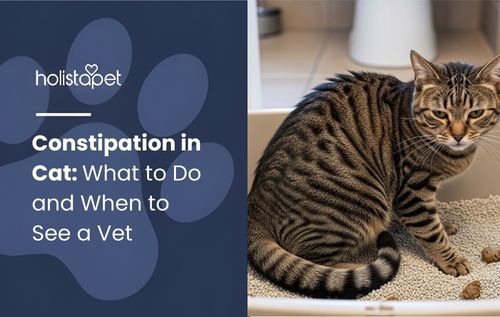
Constipation in cats can begin subtly, but early attention may help prevent discomfort and more serious complications. A constipated cat may strain during bowel movements, visit the litter box repeatedly, or pass small, dry stools. Mild cases sometimes improve with simple care at home, while persistent symptoms often require veterinary evaluation.
According to the Cornell University College of Veterinary Medicine, constipation develops when stool becomes difficult or infrequent to pass due to dehydration, slow intestinal movement, or underlying health conditions.
Understanding the causes, symptoms, and treatment options can help support your cat's digestive health and overall comfort visit the Cornell Feline Health Center for additional veterinary resources on feline wellness.
What Is Constipation in Cats?
 Constipation occurs when a cat has difficulty passing stool regularly. Waste moves too slowly through the digestive tract, causing the colon to absorb excess moisture from the stool. As a result, feces become dry, hard, and difficult to eliminate.
Cats experiencing constipation may strain in the litter box, cry during bowel movements, or produce very small amounts of stool. Some cats repeatedly enter and leave the litter box without success. In more severe cases, stool may contain small streaks of blood due to irritation.
Occasional constipation may resolve quickly, but chronic or recurring episodes can indicate an underlying medical issue that needs veterinary attention.
What Causes Constipation in Cats?
Several factors may contribute to constipation in cats. Most cases involve dehydration, poor intestinal movement, diet-related issues, or underlying illness.
Common causes include:
-
Low moisture intake from diets made primarily of dry food find more at-home care for cats including dietary tips that may support better hydration and digestion.
-
Inadequate fiber levels in the diet
-
Dehydration caused by chronic kidney disease or other illnesses
-
Hair buildup from grooming and hairballs
-
Obesity or reduced physical activity
-
Pelvic injuries or spinal problems that make posture difficult
-
Pain while using the litter box
-
Intestinal blockages or impacted stool
-
Certain medications that slow digestive movement
-
Conditions affecting colon muscle function, including megacolon
The Cornell Feline Health Center identifies chronic kidney disease as a common cause of dehydration in older cats, which may contribute to constipation.
Related Article: Wet vs. Dry Cat Food: Why It Matters
Why Does Megacolon Cause Constipation?
 Megacolon is a condition in which the colon becomes enlarged and loses the ability to move stool effectively. When colon muscles weaken, waste remains in the intestine longer than normal, allowing too much moisture to be absorbed from the stool.
Over time, stool becomes increasingly dry, firm, and difficult to pass.
Common signs of megacolon include:
-
Infrequent bowel movements
-
Repeated straining in the litter box
-
Small, hard stools
-
Abdominal discomfort or bloating
-
Reduced appetite
-
Lethargy
-
Vocalization during bowel movements
-
Litter box avoidance
Because megacolon can worsen over time, veterinary care is important for proper diagnosis and management.
Signs of Constipation in Cats
 Symptoms of constipation can range from mild to severe depending on the cause and duration.
Common signs include:
-
Straining during bowel movements
-
Dry or hard stool
-
Small amounts of stool in the litter box
-
Frequent litter box visits with little output
-
Decreased appetite
-
Vomiting
-
Abdominal discomfort
-
Low energy levels
-
Hiding or behavioral changes
In some cases, straining may resemble urinary problems, and skin conditions such as scabs or excessive grooming may also signal underlying health issues worth monitoring. Cats unable to urinate require immediate emergency veterinary care.
How Do Vets Diagnose Constipation in Cats?
Veterinarians diagnose constipation by evaluating symptoms, checking for stool buildup, and identifying possible underlying causes.
Step 1: Review Medical History
The vet may ask about litter box habits, diet changes, hydration, medications, and symptom duration.
Step 2: Perform a Physical Examination
A physical exam helps detect abdominal discomfort, dehydration, or stool accumulation in the colon.
Step 3: Evaluate Hydration and Body Condition
Hydration levels, body weight, and overall condition may help identify contributing health problems.
Step 4: Examine Mobility and Pelvic Structure
Previous injuries, arthritis, or spinal conditions may interfere with normal bowel movements.
Step 5: Use Diagnostic Imaging
X-rays are commonly used to confirm impacted stool, intestinal blockage, or enlarged colon size.
Step 6: Run Laboratory Tests
Bloodwork and urine testing may help detect kidney disease, metabolic disorders, or other illnesses affecting digestion.
Step 7: Create a Treatment Plan
Treatment depends on severity and underlying cause. Severe constipation may require hospitalization or manual stool removal.
How To Treat Constipation in Cats?
Treatment varies depending on the cause and severity of symptoms. Mild cases may improve with dietary and hydration support, while more advanced cases often need veterinary care.
Dietary Adjustments
Nutrition plays an important role in digestive health.
Helpful dietary strategies may include:
-
Increasing wet or canned food intake proper grooming habits also play a role in digestive health, as noted in this VCA: Grooming in Cats guide on how hairballs and grooming routines affect the digestive tract.
-
Adjusting fiber levels under veterinary guidance.
-
Feeding moisture-rich meals
-
Using specialized diets if food sensitivities are present
Hydration Support
Proper hydration helps keep stool soft and easier to pass.
Ways to encourage water intake include:
-
Providing fresh water daily
-
Using multiple water bowls around the home
-
Offering a pet water fountain
-
Feeding wet food more regularly
Laxatives and Stool Softeners
Veterinarians may recommend safe stool softeners or laxatives designed specifically for cats.
Pet owners should avoid giving human laxatives unless directed by a veterinarian, since some products may be harmful to cats.
Medical Treatment
Moderate to severe constipation may require:
-
Prescription medications
-
Fluid therapy
-
Enemas administered by a veterinarian
-
Manual stool removal for severe impaction
Managing Underlying Conditions
Long-term relief depends on addressing the root cause.
Treatment may involve managing:
-
Kidney disease
-
Arthritis or mobility problems
-
Chronic digestive disorders
-
Megacolon
-
Neurological conditions
Older cats may need ongoing monitoring because constipation can become more common with age.
Related Article: Cat Hairball Home Remedies [Top 12 Tips]
Wellness Support for Cats With Digestive Discomfort

Some pet owners explore options like vet-approved CBD oil for cats, all-natural CBD treats for cats, or a natural oil supplement for cats as part of a broader approach to supporting overall comfort and daily routine. Hemp-derived supplements formulated for pets are sometimes discussed alongside other lifestyle and dietary adjustments, although research involving digestive support in cats remains limited.
These supplements are not intended to diagnose, treat, cure, or prevent constipation or any medical condition. Pet owners should always consult a veterinarian before introducing new supplements, especially for cats with underlying medical conditions or those taking prescription medications.
Persistent constipation, vomiting, abdominal pain, or difficulty urinating should always be evaluated promptly by a veterinarian.
Final Thoughts
Monitor litter box habits daily and contact a veterinarian if straining or infrequent stools persist. Caregivers should monitor litter box habits, adjust diet and hydration, and seek veterinary support when symptoms continue.
Prompt action helps prevent severe discomfort and long-term digestive issues.
Owners dealing with related feline health concerns such as feline fleas should also address those issues promptly, as chronic irritation and stress can contribute to digestive disruption over time.
FAQs About Cat Constipation
1. What are the common signs of constipation in cats?
Common signs of constipation include straining in the litter box, hard or dry feces, fewer trips resulting in a bowel movement, decreased appetite, and abdominal pain. A cat leaving the litter box without producing stool may also be a warning sign. If the cat is constipated and seems weak, painful, or unable to pass stool, it may be a serious health concern.
2. Why does feline constipation happen?
Feline constipation happens when stool moves too slowly through the digestive tract, causing it to become dry and difficult to pass. The underlying cause may include dehydration, not enough fiber, lack of wet food, impacted feces, reduced mobility, kidney disease, or other underlying or chronic diseases.
3. When should cat owners worry about constipation?
Cat owners should worry if a cat is constipated for more than a day or two, shows severe pain, has weight loss, stops eating, or has trouble passing urine. Straining can sometimes look like constipation but may actually signal serious urinary tract issues or a urinary blockage, which needs emergency care.
4. Can kidney disease cause constipation in cats?
Yes. Kidney disease can predispose cats to dehydration, which can dry out cat feces and slow normal movement through the colon. Elderly cats experience constipation more often, especially when kidney disease, chronic diseases, or an underlying health condition affects hydration and digestion.
5. Can I treat constipation in cats at home?
Mild cases may improve with at home treatments like increasing water intake, adding more wet food, and adjusting the cat's diet if not enough fiber is part of the issue. However, these tips do not constitute medical advice. If symptoms worsen, continue, or your pet's condition seems painful, veterinary medical treatment is needed.






Leave a comment
All comments are moderated before being published.
This site is protected by hCaptcha and the hCaptcha Privacy Policy and Terms of Service apply.