Home Remedies For Cats
Join Our Newsletter
Frequently Asked Questions
Last year in 2020, the average pet owner in America spent over $1000 on pet expenses, with about half of that amount allocated to veterinary care, supplies, medication. Vet bills and over-the-counter medicine can add up quickly, especially if you have a cat prone to sickness. It's always best to have a few home remedies for cats ready, so you can start taking treatment into your own hands while cutting down on costs.
We treat our pets like family, and we would do anything to ensure their health, safety, and happiness. Although most cats are typically very healthy, you always want to stay prepared in case of emergencies. Check out some of our top natural remedies for cats so that you are ready for any situation!
What Are Some Common Issues Cats Face at Home?
What Are Some Common Issues Cats Face at Home?
Cats are well-known for their ability to groom themselves and keep clean. However, they can still face a few common health issues that can occur at all ages. By learning about these issues, it can help you identify them easier if they come up.
Early treatment is always best to prevent an issue from getting worse. You should be consistently checking your cat for skin or coat issues as well as their overall health. Remember to schedule annual checkups with your vet to make sure your cat is in tip-top shape.
Dry Skin - Dry skin is a common condition in cats that can occur when the weather gets colder. You may notice signs of dandruff, skin flaking, or excessive scratching that may be caused by dry skin. This condition can occur as a result of:
- Age
- Obesity
- Lack of grooming
- Insufficient nutrition
- Reaction to shampoos or conditioners
- Fleas or other insects
Fleas - Fleas are among the most common issues for cats and can range from mild itching to severe hair loss. If you notice your cat has been scratching or grooming excessively, check through their fur for any black spotting (flea dirt or excrement) with a brush or flea comb. Fleas are very good at hiding in pet fur, which may cause you to miss it the first time around.
Upset Stomach - An upset stomach in cats can often cause vomiting or diarrhea. Your cat may have eaten something it wasn't supposed to, or they might have an allergic reaction to their food that causes them to expel it from their stomachs. Take your cat to the vet immediately if they have vomited multiple times in a 24 hour period.
Obesity - Although having a chubby cat may seem like there is more to love, obesity can cause serious health issues in pets. Obesity can lead to increased risk of heart disease, cause joint issues, and even cause difficulty grooming for your cat. Thankfully, there are many ways to deal with obesity as long as a healthy weight is kept up and maintained.
Hair Loss - Hair loss is a common, harmless condition that is usually very easy to treat. The most common causes of hair loss in cats are allergies, fleas, stress, or pain. Vets can prescribe medicine to balance the hormonal imbalances, or you can give your cat some tasty treats to reduce their stress levels.
Home Remedies for Cats
Home Remedies for Cats
Home remedies are great for immediate basic care while using all-natural, organic (if possible) treatment methods. There are many fantastic natural remedies that you can do right from the comfort of your own home. However, for more severe health issues that require medical attention, take your cat to a vet or other professional for proper care.
Fleas
Any cat can catch fleas, even if they are always indoors and never step foot outside. Fleas can still find their way indoors when we constantly go in and out of the house. The best way to detect fleas is to use a comb or brush and check if there is black and red residue from the flea droppings and blood.
In worse cases, fleas can carry tapeworms which can transfer over to your cat. The best way to ensure there is no flea infestation is to groom your cat consistently and bathe them every once in a while. Luckily for you, many natural home remedies can drive those pesky fleas away.
- Citrus fruits - Fleas hate citrus scents, so you can rub leftover fruit rinds on your cat's coat to repel them away. Try not to use too much citrus since some cats can be sensitive to the scents. Other flea sprays may also use citrus scents to get rid of fleas.
- Cedar chips - Fleas also hate the scent of cedar, which you can place around your cat's bed. You can also dab your cat's collar with a few drops of cedarwood oil to make a flea collar to repel the fleas.
- Apple cider vinegar - Use one part apple cider vinegar and two parts water for a repelling mixture that will last for 2-4 days. Some cats may be more sensitive towards apple cider vinegar, which can cause irritation, so use a more diluted mixture at first. If irritation continues, discontinue use.
- Dish soap - A mixture of warm water and dish soap is a popular home remedy for trapping and killing fleas. Fleas are nocturnal but are attracted to warmth and light, so place this mixture out around the areas your pet frequents for maximum effect. Do NOT use dish soap to wash your cat, as the chemicals can cause irritation and redness.
Dry, Itchy Skin
There could be a few reasons your cat has dry skin. One of the first things you can try is to make sure they have a balanced diet including omega-3 and zinc, which can improve skin and coat health.
Cats usually keep their skin in good condition by grooming, which can help distribute natural skin oils. However, if your cat is obese or at an advanced age, grooming may be harder for them to reach certain areas, leading to dry, itchy skin. If these home remedies don't work, take your cat to the vet to diagnose the problem.
- Humidifier - Using a humidifier is a great way to provide extra moisture inside the house. Particularly during the colder seasons, humidifiers can combat the dry air and help keep your cat's skin from drying out. If you don't have a humidifier on hand, you can also place a pan of water next to a heat lamp or radiator.
- Omega-3 fatty acids - Omega-3 is incredibly important to have for healthy skin and coats. You can try mixing a small amount of fish oil, flaxseed oil, or hemp seed oil into their food. Some pet stores will also sell fish oil supplements for pets that can be a great way to address any deficiencies.
- Consistent grooming - Consistently brushing can also spread the natural skin oils that prevent it from drying out. You should be grooming your pets regularly anyways to keep them looking healthy and happy!
- Vinegar & water - Vinegar works great to remove any skin flakes or dandruff that your cat may have. Add a couple of teaspoons of vinegar to a gallon of water and give your cat a quick wash. Rinse over with plain water and dry off and see the instant results!
- Aloe vera conditioner - If dry skin persists, you can try using an aloe vera leave-in conditioner. The aloe vera should be able to help treat dry skin and itchiness. Aloe vera is also great for healing any cuts or scrapes that your cat might have.
Hair Loss & Hairballs
One of the main causes of hair loss in cats is fleas or mites. However, other factors like stress, allergies, or hormonal imbalances can cause hair loss as well. For more information on flea prevention or how to boost skin and coat health, read the above sections!
- Daily brushing - Grooming is a great way to remove any matting or tangling in your pet's coat. Distributing the skin oils helps keep both the skin AND coat in good condition to prevent hair loss.
- Hypoallergenic diet - Hair loss can sometimes result from a food allergy in your cat's diet. Switching to a hypoallergenic diet that avoids the most common food allergies like gluten, corn, and wheat may help prevent hair loss. It may take some detective work since some cats can also be allergic to chicken or beef ingredients in their cat food.
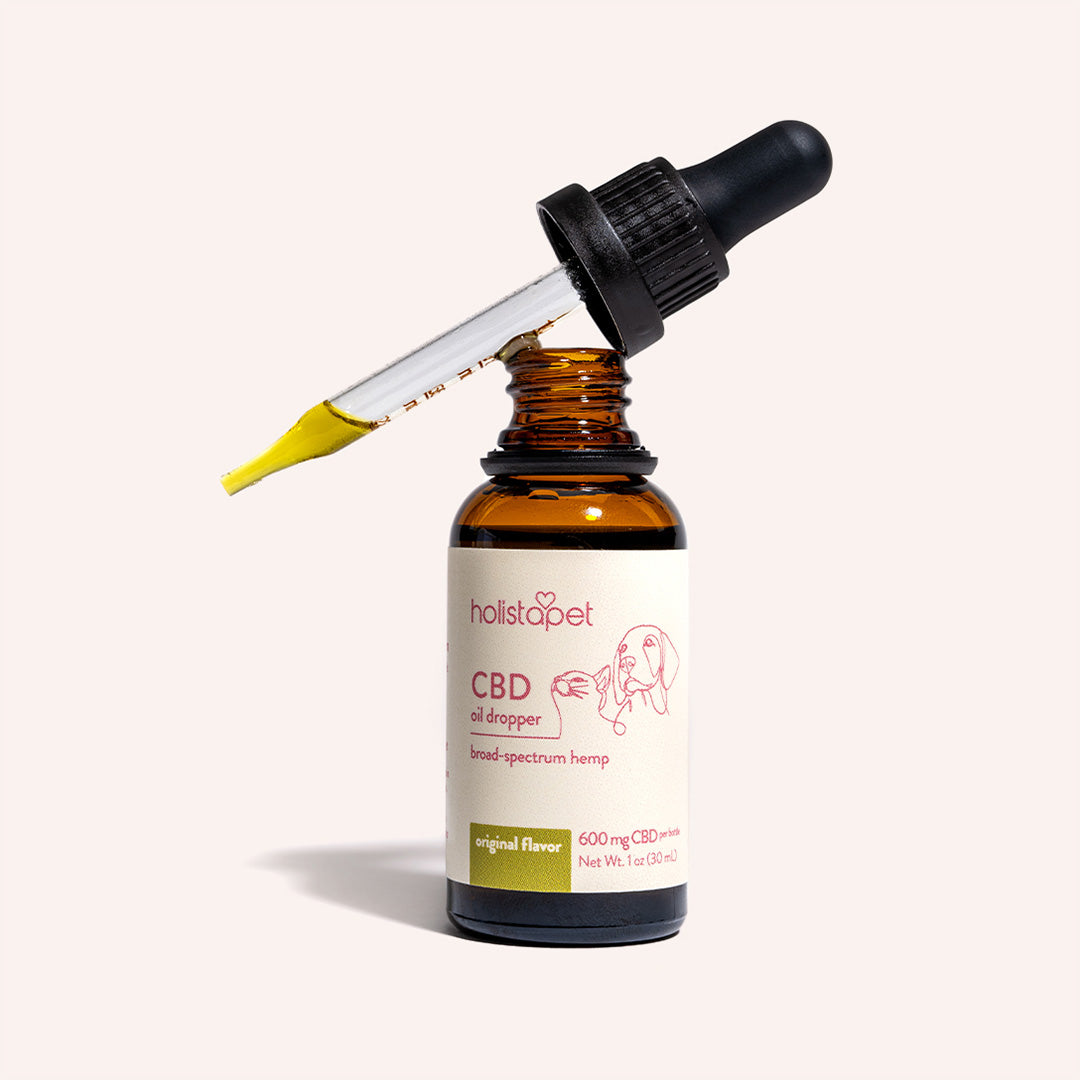
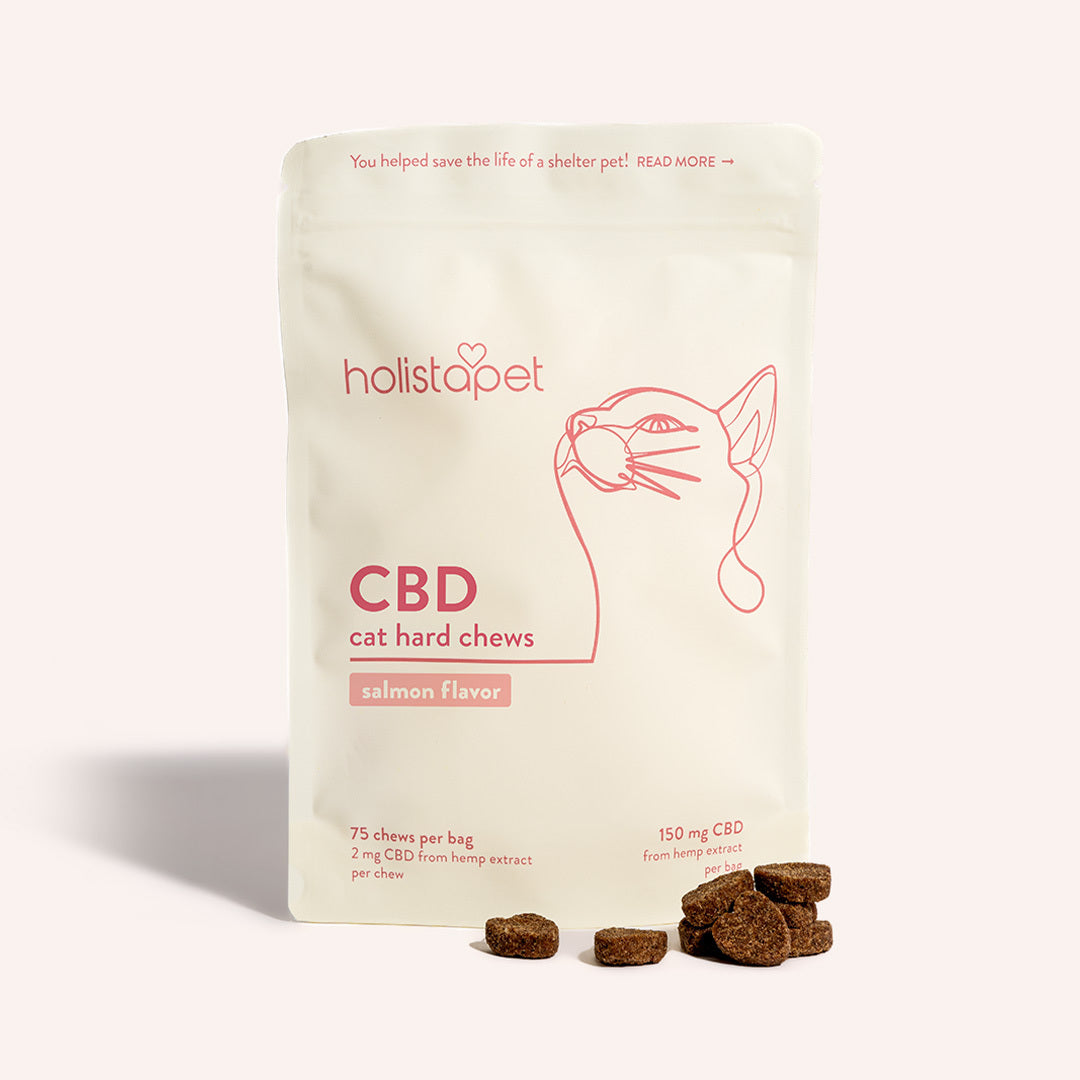
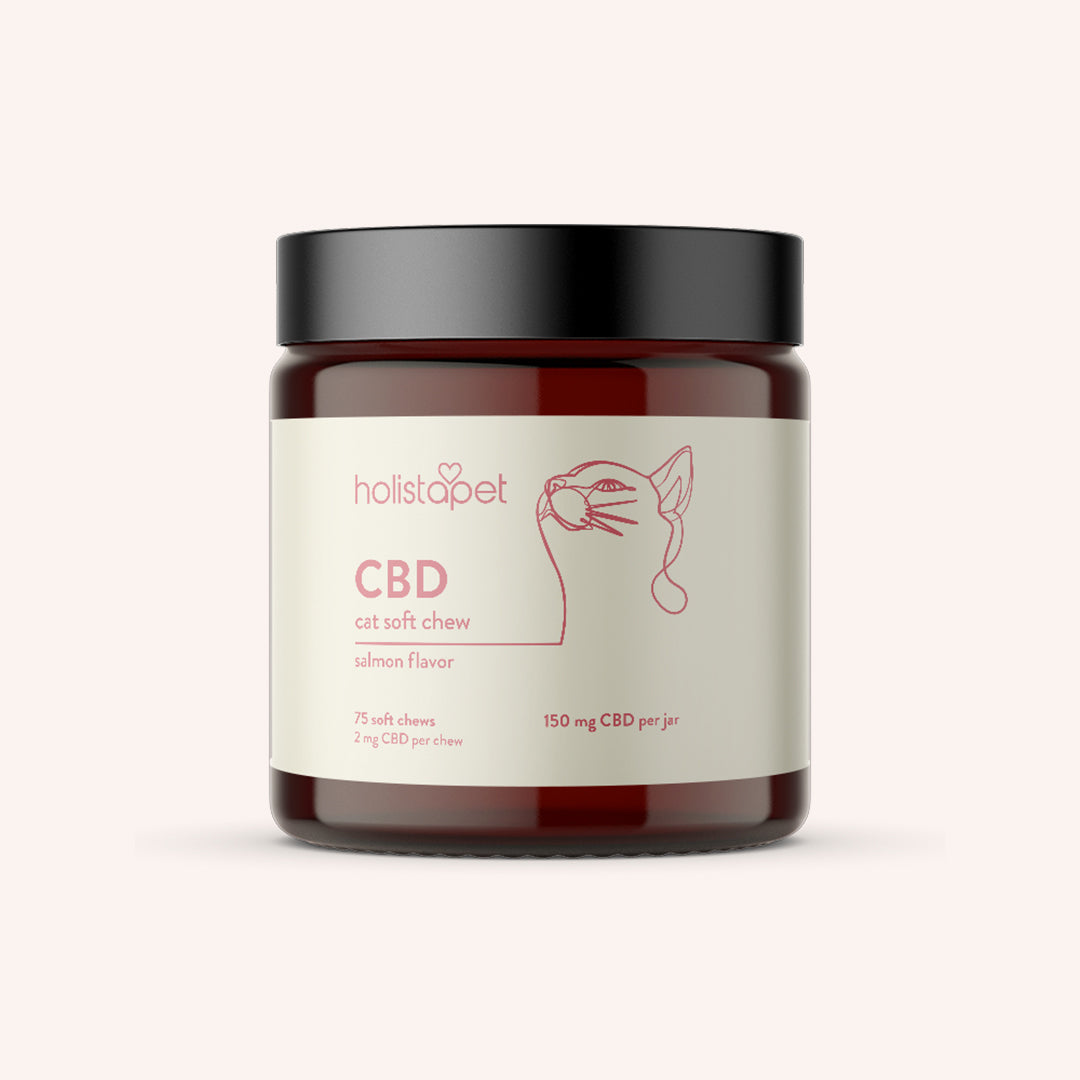
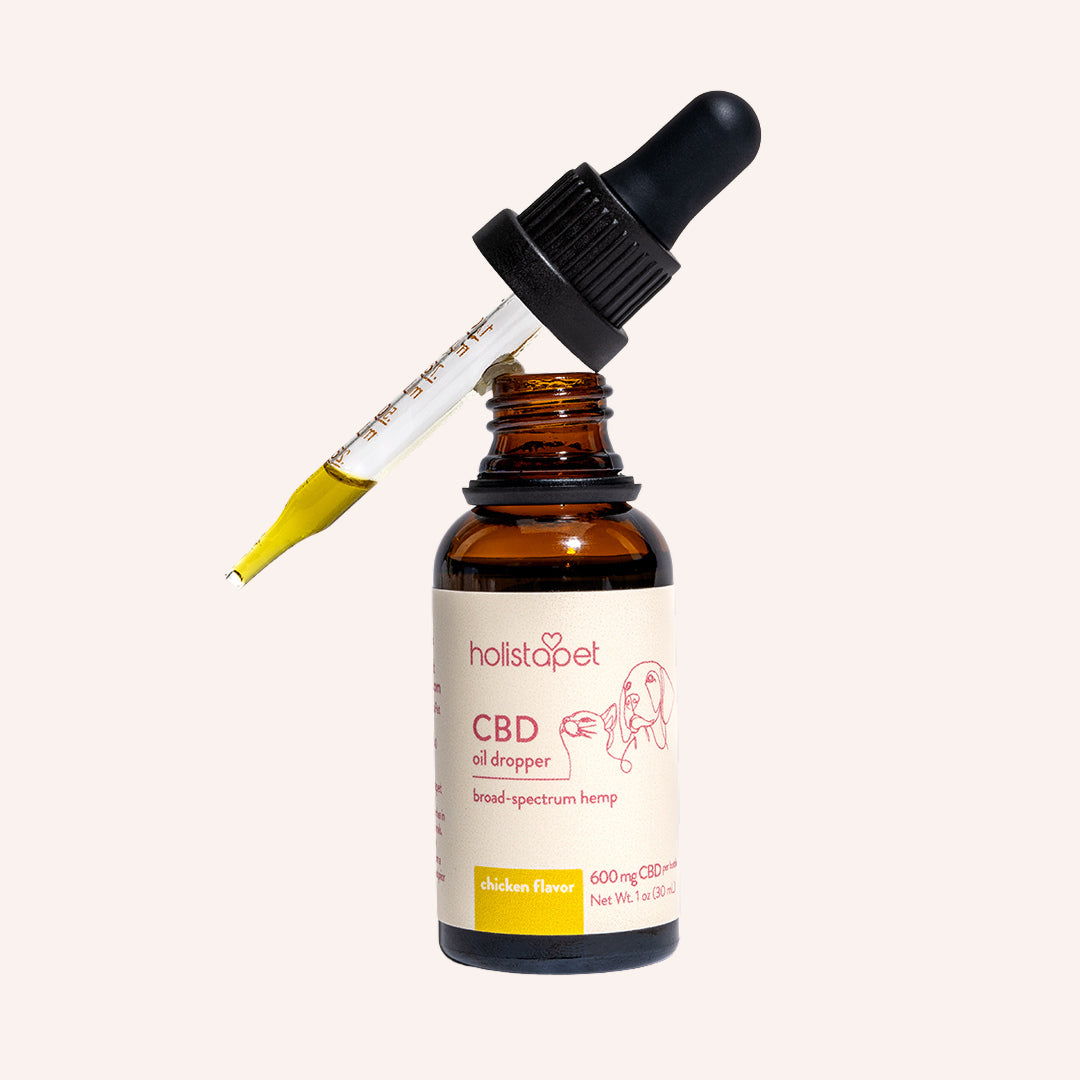
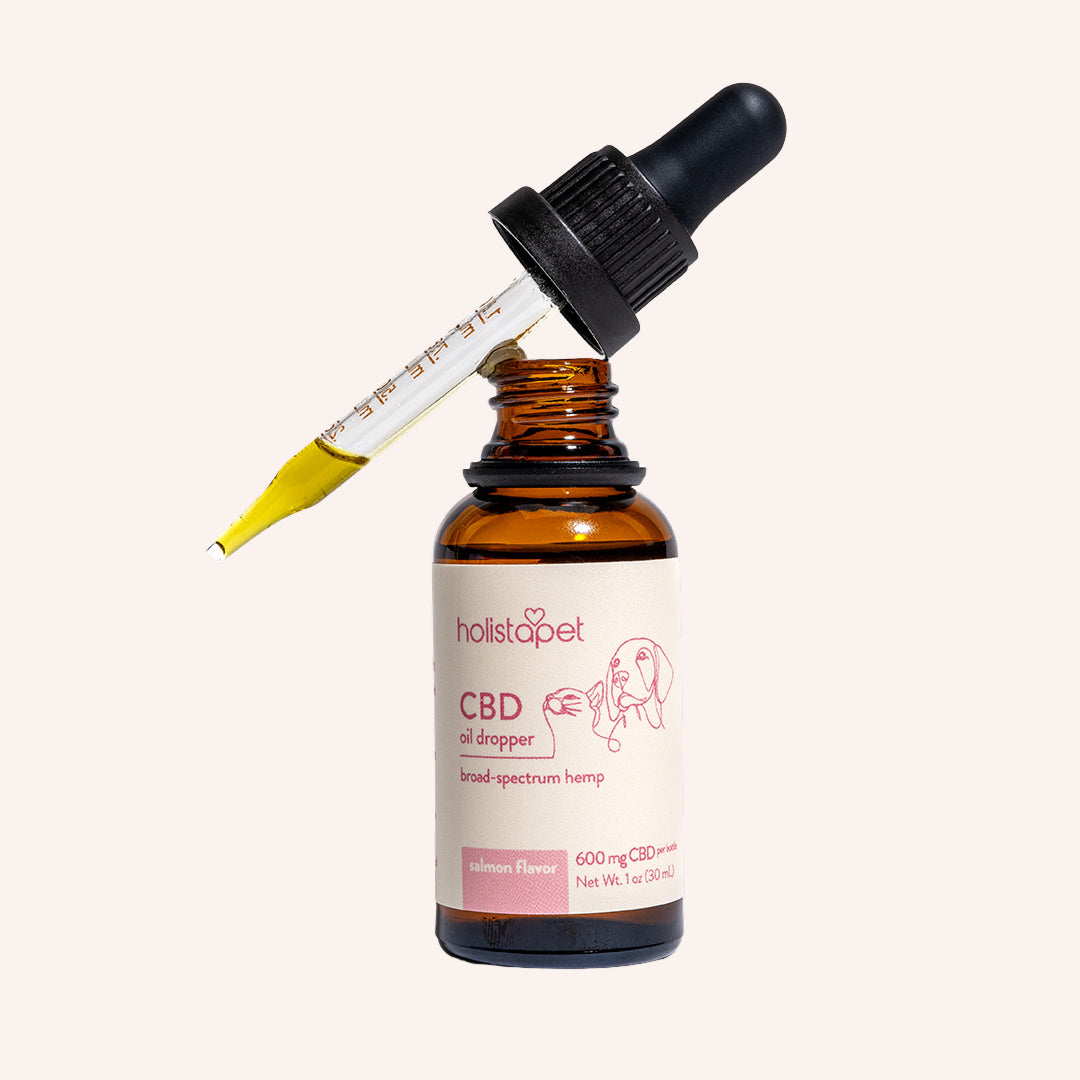
- CBD oil - Stress can sometimes cause cats to lose hair, especially if they are put in unfamiliar situations, or a new pet has been brought into the house. CBD has many soothing and calming benefits that can help your cat relax. Some CBD oils are also made with hemp seed oil, which has many nutritional benefits for skin and coat health.
- Pregnancy - Pregnant cats are prone to hormonal imbalances, which can lead to hair loss. However, the good news is that you don't have anything to worry about! Hair loss during this time is entirely normal and will grow back over time.
Upset Stomach/Constipation
Upset stomachs and constipation in cats often go hand in hand, usually resulting from improper digestion or lack of fluids. However, if there is constant vomiting or diarrhea, take your cat to the vet immediately for treatment. A more severe upset stomach may be a result of bacterial or fungal infections.
- Wet food - A lack of fluids is often the main reason for constipation. If you notice that your cat is not drinking enough water, wet food is a fantastic solution to boost their hydration!
- High-fiber diet - Fiber is a great way to help treat constipation. Fiber can help soften the stool and make it easier to pass. Most high-quality cat foods should have enough fiber, but other foods high in fiber you can feed your cat and mix into their food safely are:
- Pumpkin (highly recommended)
- Beet pulp
- Grains
- Olive oil - Adding olive oil into your cat's food may help deal with constipation. Olive oil can help with intestinal contractions and softens the stool as well for better digestion. Try adding a teaspoon of olive oil into your cat's food for about a week or so to ease constipation.
- Grooming - Believe it or not, grooming can also help prevent upset stomachs! Grooming can remove dead hair that could build up as hairballs. Too many hairballs can get stuck in your cat's esophagus or stomach that could potentially upset it.
Cat Diarrhea
If your cat has diarrhea, they may need to switch up their diet, whether it's increasing fiber intake or avoiding certain foods. Animals are creatures of habit, so if you recently switched to a new brand of cat food, you might need to switch back to the old one if diarrhea occurs.
Probiotics are an excellent way to improve digestion in your cat to prevent upset stomachs and diarrhea! Probiotics boost the gut flora levels in your cat, the bacteria necessary for proper digestion.
One thing to keep an eye on is if your cat has acute or chronic diarrhea. Acute diarrhea usually goes away within a day or two. However, chronic diarrhea is recurring and is usually a sign of a more serious condition. Take your cat to the vet for a checkup if diarrhea persists for more than a few days.
Overweight Cats
Overweight cats can have trouble grooming themselves, which can cause any of the above conditions like hair loss or dry skin. Fortunately, this is one of the most common issues in cats and has easy remedies!
- Exercise - Just like us, cats need sufficient exercise to keep up their health! Fun exercise options can include walking on a treadmill, toys, or play sessions to help them burn off a little more calories than they are consuming.
- Low-calorie diets - Introducing lower-calorie foods into your cat's diet can help the weight loss process. Low-calorie cat foods are usually high in proteins to help your cat feel full while consuming less.
- Don't leave food out - Many pet owners mistakenly overfeed their cats, leading to obesity. Leaving food out can tempt the cat to continue eating throughout the day. Set regular feeding times every day and put back whatever food your cat doesn't finish after about 20-30 minutes.
Can I Use CBD for My Cats?
Yes, CBD can be extremely beneficial and useful for your cat!
CBD has many therapeutic and relaxing effects that can help your cat manage their stress better. Many pet owners love CBD because it can calm anxious behaviors while having minimal, minor side effects.
CBD oil for cats is sometimes made with hemp seed oil, which is high in omega-3 fatty acids to boost skin and coat health. Hemp seed oil is also a superfood ingredient that contains many vitamins and minerals that can boost your cat's health.
Final Thoughts - Home Remedies for Cats
Hopefully, these home remedy tips helped you get an idea of the many ways you can treat your cat at home! You can always try these remedies before spending money on expensive medication and veterinary visits. However, if any of these conditions persist over time, we advise you to take your cat in for a checkup just to be safe!
Other Home Remedies For Cats Articles


Recommended Products
Based on these articles