

Fleas are one of the most common external parasites affecting cats. They can cause discomfort, skin irritation, and stress for both pets and owners. While flea infestations can become serious quickly, early detection and consistent care may help manage the problem effectively.
This guide explains what fleas are, how to recognize them, and what home care approaches may help support your cat while you work toward flea control.
What Are Fleas?

Fleas are small, wingless insects that live on animals and feed on blood. The most common species affecting cats is Ctenocephalides felis, also known as the cat flea.
These parasites are very small (about 1–2 mm) and thrive in warm, humid environments. Fleas reproduce quickly, which is why infestations can develop in a short period if not managed early.
What Is a Flea Infestation?
A flea infestation occurs when fleas multiply on your pet, in your home, or both. Even a small number of fleas can increase rapidly because female fleas can lay many eggs during their lifespan.
Flea eggs and larvae can spread throughout carpets, bedding, and furniture, making infestations harder to control over time.
Symptoms of Fleas in Cats
Early detection may help reduce discomfort and prevent worsening infestations.
Common signs of fleas on cats:
- Excessive scratching or grooming
- Hair thinning or patchy hair loss
- Red or irritated skin
- Visible flea dirt (small black specks in fur)
- Restlessness or discomfort
- In severe cases, weakness or pale gums
Signs of Fleas in Your Home

Fleas are not only found on pets—they may also spread into the home environment.
Possible signs include:
- Black specks on carpets or bedding (flea dirt)
- Fleas seen on furniture or flooring
- Increased itching after walking on carpets (fleas may jump onto clothing or skin)
- Small insects moving in pet resting areas
Regular cleaning and vacuuming may help reduce flea presence in the home.
How Fleas May Affect Humans

Fleas can occasionally bite humans, especially around the legs and ankles.
Possible signs:
- Small red bite marks
- Itchy skin irritation
- Clusters of bites in exposed areas
While fleas do not typically live on humans, they may still cause discomfort if present in the home.
How to Help Manage Fleas on Cats Naturally

Natural approaches may help reduce flea presence, especially in mild cases. However, severe infestations may require veterinary care or approved flea treatments.
Pet owners looking for additional wellness tips can also explore other natural remedies for cats for broader feline care support.
1. Regular Flea Combing
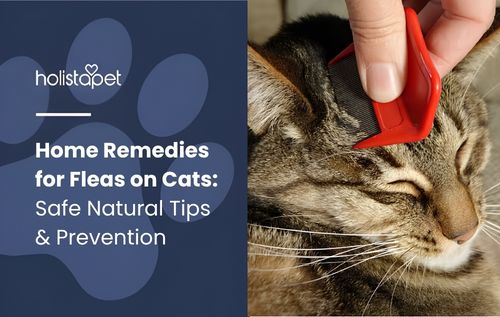
Using a fine flea comb may help remove fleas and flea dirt from your cat’s coat. This is often one of the simplest supportive steps.
2. Gentle Bathing Support
Some pet owners use mild, pet-safe shampoos or diluted gentle soap under veterinary guidance. This may help remove fleas from the fur temporarily.
Always ensure products are safe for cats before use.
3. Cleaning the Home Environment
Because fleas spend part of their life cycle in the environment, home cleaning is important:
- Wash pet bedding regularly
- Vacuum carpets and furniture frequently
- Dispose of vacuum waste immediately if possible
These steps may help reduce flea eggs and larvae in the home.
4. Natural Environmental Support
Some natural products like cedar-based materials are sometimes used as environmental deterrents. However, safety should always be prioritized, especially for cats, as they are sensitive to essential oils and strong plant compounds.
Always consult a veterinarian before using natural repellents.
How to Help Soothe Flea Discomfort in Cats

Flea bites may cause itching and irritation. The following supportive options may help comfort your cat:
1. Veterinary-Approved Antihistamines (Only With Vet Guidance)
Some veterinarians may recommend medications to help manage allergic reactions to flea bites. Never administer medication without professional guidance.
2. Coconut Oil (Supportive Use Only)
Coconut oil is sometimes used topically in small amounts to help moisturize irritated skin. However, it should be used cautiously, as ingestion may not agree with all cats.
3. Stress Reduction and Comfort
Providing a calm environment, clean bedding, and regular grooming may help your cat feel more comfortable during flea recovery.
Some pet owners also use calming products like CBD oil for cats or CBD cat treats to help support relaxation during stressful recovery periods.
If your cat also experiences digestive strain from stress or grooming excess, learning more about feline constipation may help identify related symptoms.
How to Help Prevent Fleas on Cats
Prevention is an important part of flea control.
Helpful prevention steps:
- Keep cats indoors when possible
- Regularly clean bedding and living areas
- Check pets after outdoor exposure
- Maintain veterinarian-approved flea prevention routines
- Monitor for early signs of scratching or irritation
Important Safety Note

While many home remedies are discussed online, not all are safe for cats. Even when considering options like ECS support oil for cats, it is important to choose trusted products and consult a veterinarian, as essential oils, strong plant extracts, and unverified treatments may cause harm.
Always consult a veterinarian before trying new treatments for flea control.
Final Thoughts
Fleas can be frustrating, but early detection and consistent care may help manage the issue effectively. A combination of cleaning, monitoring, and veterinary-approved prevention methods is often the safest approach for long-term flea control.
If symptoms persist or worsen, professional veterinary support is strongly recommended.
Cats with ongoing respiratory sensitivity or irritation may also benefit from reviewing our feline asthma natural remedies for additional home care support.
FAQs
What are the best natural ways to help with fleas on cats?
Natural support methods may include regular combing, cleaning the home, washing bedding, and using vet-approved products. These approaches may help reduce flea presence but may not fully eliminate infestations alone.
How can I tell if my cat has fleas?
Signs may include scratching, hair loss, irritated skin, or flea dirt in the coat. A flea comb can help confirm the presence of fleas.
Can fleas be removed naturally?
Mild flea cases may be managed with consistent grooming and cleaning. However, more serious infestations often require veterinary treatment for effective control.
Do home treatments completely kill fleas?
Home care methods may help reduce fleas, but they may not fully eliminate all life stages (eggs, larvae, adults). Professional treatment is often needed for full control.






Leave a comment
All comments are moderated before being published.
This site is protected by hCaptcha and the hCaptcha Privacy Policy and Terms of Service apply.