

Scabs on cats often come from scratching, small wounds, parasites, or skin irritation, and some pet owners look into cbd oil for cats remedies as part of their general wellness approach to help support comfort. These spots can cause discomfort and may lead to more scratching if the underlying cause is not addressed.
Several simple home remedies can help clean the skin, calm irritation, and support healing while exploring more helpful natural cat health solutions. The right care can help mild scabs improve and keep the skin healthy.
What are Cat Scabs?

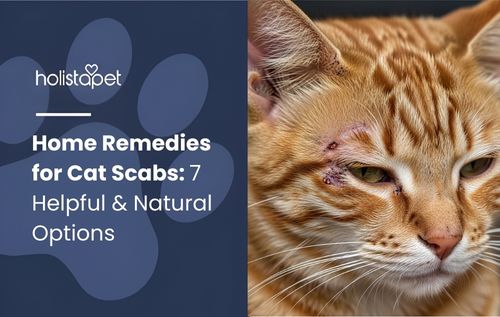
Cat scabs are small, crusty patches that form on a cat’s skin after irritation, scratching, bites, allergies, or infections. The skin creates these hardened spots to protect and heal damaged areas.
Why Do Feline Scabs Form?
Cat scabs form when the skin reacts to irritation, injury, or infection. The body creates a protective crust over damaged skin to help the area heal. When a cat scratches or bites the same spot repeatedly, the skin breaks and forms small scabs.
Several common issues can trigger this reaction.
Parasites
- Fleas trigger intense itching that drives cats to scratch and develop scabs across the skin. According to the American Veterinary Medical Association (AVMA), flea allergy dermatitis ranks among the most common skin conditions veterinarians treat in cats.
- Mites can irritate the skin and create crusty patches.
- Tick bites may leave small wounds that develop scabs.
Allergies
- Food sensitivities can trigger itchy skin.
- Environmental allergens such as pollen or dust may irritate the skin.
- Fungal issues such as ringworm may cause scabs and hair loss.
Skin Injuries
- Scratches from fights with other animals.
- Small cuts from rough surfaces.
- Bites that damage the skin and form healing crusts.
Skin Conditions or Infections
- Bacterial infections can damage the skin surface.
- Ringworm fungi actively attack the outer skin layer and cause circular scabs, hair loss, and flaky patches. The Cornell Feline Health Center confirms that ringworm spreads easily between cats, dogs, and humans through direct contact.
- Overgrooming can irritate the skin and create sores that crust over.
What are the Different Types of Scabs in Cats?

Cat scabs can appear in different forms depending on the underlying cause. The texture, location, and number of scabs often reveal the reason behind the skin problem.
Flea Allergy Scabs
Flea bites often trigger intense itching that leads to clusters of small scabs, usually along the back and near the tail.
- Small, rough bumps that feel like sand on the skin.
- Common on the lower back, neck, and base of the tail.
- Cats often scratch or bite the area repeatedly.
Fight or Injury Scabs
Cats that roam outdoors or interact with other animals may develop scabs from scratches or bites.
- Larger crusted spots that form over small wounds.
- Often appear on the head, neck, or shoulders.
- Swelling or tenderness may develop around the area.
Allergy Related Scabs
Skin reactions from food or environmental triggers can cause irritation and repeated scratching alongside coughing.
- Scabs appear across the neck, head, or body.
- Skin may look red or inflamed.
- Cats may groom or lick the irritated area often.
Mite Related Scabs
Skin mites irritate the surface of the skin and cause crusty lesions.
- Thick or crusty patches that spread across the skin.
- Common around the ears, face, and neck.
- Hair loss may appear around affected spots.
Fungal Infection Scabs
Certain fungal infections damage the skin and lead to scabbing along with hair loss.
- Circular areas with broken or missing fur.
- Dry scabs may appear around the affected patch.
- Skin can look flaky or irritated.
What are the Best Home Remedies for Cat Scabs?

Cat scabs often improve with gentle care that reduces irritation and supports skin repair. Several natural remedies products like cat CBD oil, CBD cat biscuits, and non-psychoactive oil for cats can help clean the skin, calm itching, and protect healing areas,
|
Remedy |
Main Benefit |
How It Helps |
Best For |
|
Salt Water Rinse |
Cleans skin |
Removes debris and bacteria |
Minor scabs |
|
Coconut Oil |
Moisturizes skin |
Softens dry patches |
Dry irritated skin |
|
Aloe Vera |
Soothes irritation |
Calms redness and itching |
Mild inflammation |
|
Oatmeal Treatment |
Relieves itching |
Supports skin barrier |
Allergy related scabs |
|
Chamomile Compress |
Reduces irritation |
Helps calm inflamed skin |
Sensitive skin |
|
Apple Cider Vinegar |
Balances skin |
Helps reduce itch triggers |
Mild skin irritation |
|
CBD Products |
Supports skin comfort |
Helps maintain calm skin responses |
Stress related scratching |

1. Warm Salt Water Rinse
A mild salt water rinse helps clean the affected skin and remove debris that may irritate the scab.
- Mix a small amount of salt in warm water.
- Soak a clean cloth in the solution.
- Gently dab the scabbed area to keep it clean.
- Repeat once or twice a day if the skin stays calm.
2. Coconut Oil
Coconut oil, similar to Omega-3 oils, helps moisturize dry skin and may reduce irritation around scabs.
- Apply a very small amount to the affected area.
- Massage lightly around the skin, not directly over open wounds.
- Helps soften crusty spots and support skin hydration.
3. Aloe Vera
Pure aloe vera can calm irritated skin and support healing.
- Always select pet-safe aloe vera products rather than raw plant gel, as certain aloe compounds can harm cats when ingested. The ASPCA Animal Poison Control Center lists aloe vera as toxic to cats if they lick or consume it during grooming.
- Apply a thin layer on the irritated skin.
- Helps soothe itching and redness.
4. Oatmeal Skin Soothing Treatment
Oatmeal contains compounds that calm itchy skin and reduce discomfort.
- Grind plain oatmeal into a fine powder.
- Mix with warm water to form a paste.
- Apply gently to irritated skin areas.
- Rinse with lukewarm water after several minutes.
5. Chamomile Tea Compress
Chamomile contains natural soothing compounds that help calm inflamed skin.
- Brew chamomile tea and allow it to cool.
- Soak a soft cloth in the tea.
- Gently press the cloth against irritated skin.
6. Apple Cider Vinegar Dilution
Diluted apple cider vinegar may help reduce surface bacteria that aggravate mild skin irritation in cats. Pet owners should always dilute it with equal parts water and avoid applying it near open wounds, as the National Library of Medicine notes that undiluted acidic solutions can damage sensitive skin tissue.
- Mix vinegar with equal parts water.
- Apply lightly with a cotton pad.
- Avoid use on open or bleeding wounds.
7. CBD for Skin Comfort
CBD may help support skin health and calm irritation that leads to scratching. Some pet owners use CBD to help maintain normal inflammatory responses and promote comfort.
- CBD oil may support calm behavior and reduce stress related scratching.
- CBD treats can support overall skin and immune balance.
- Pet focused brands such as HolistaPet offer CBD oils, treats, and wellness products designed for cats.http://home.howstuffworks.com/green-living/rid-yard-fleas-organically.htm
For related skin concerns, you may also want to review topics like feline ear infection and mange.
Can You Prevent Feline Scabs?

Many feline scabs develop after repeated scratching, parasites, or skin irritation. Proper grooming, parasite control, and a healthy environment help reduce the risk of scabs. Early care also prevents minor skin issues from worsening.
- Use vet approved flea prevention to control parasites that cause itching.
- Check the coat often for fleas, bumps, or irritated skin.
- Wash cat bedding and resting areas regularly to limit parasites and allergens.
- Provide balanced cat food that supports healthy skin and coat condition.
- Ensure daily access to fresh water to support overall health.
- Brush the coat regularly to remove loose fur and spot early skin problems.
- Keep the home clean to reduce dust and environmental irritants.
- Use gentle grooming products made for cats to prevent skin irritation.
- Limit contact with strong household chemicals that may irritate the skin.
When Do I Go to the Vet for My Cat’s Scabs?
Cat scabs can improve with simple care at home, but ongoing problems call for professional help since a veterinary exam can uncover the root cause and guide appropriate treatment that supports the cat’s health and skin health.
Seek veterinary care if any of the following signs appear or continue after a few days:
- Scabs spread across large areas of the cat’s body, which may signal deeper cat’s skin problems or an allergic reaction.
- The pet’s skin looks swollen, red, or shows discharge, which can point to infection or irritation that affects the cat’s immune system.
- The cat licks, scratches, or bites the area constantly, often linked to over grooming, cat’s stress, or skin allergies.
- Hair loss develops around the affected spots, leading to bald spots or missing hair that changes the cat’s coat.
- Scabs return after basic cleaning or a few home remedies, which may suggest food allergies or a persistent trigger.
- The cat shows signs of discomfort, low energy, or appetite changes, which can affect a healthy balance in the cat’s body and reduce overall quality of life.
Treat Your Feline Friend’s Skin the Right Way
Cat scabs often improve with simple care that reduces irritation and protects healing skin. Natural remedies can help soothe mild cases and support recovery.
Persistent, spreading, or painful scabs require veterinary attention to address the underlying cause and protect your cat’s health.
Frequently Asked Questions
Can indoor cats develop scabs?
Yes, indoor cats can develop scabs since skin allergies, mites fleas, dry conditions, or a food or environmental allergy can disrupt a cat’s immune system and affect a cat’s skin even in a controlled space.
Do cat scabs cause hair loss?
Yes, cat scabs can cause hair loss because repeated scratching or over grooming damages follicles, which leads to bald spots, missing hair, and visible changes in a cat’s coat linked to ongoing cat’s skin problems.
Can cat scabs spread to other pets?
Yes, cat scabs can spread to other pets when parasites or infections such as ringworm infection or other blood sucking pests pass through close contact, so pet parents should act fast and seek appropriate treatment to protect the pet’s skin and overall cat’s health.
Should owners remove cat scabs?
No, owners should not remove scabs because they protect healing tissue, and pulling them off can worsen skin sores, delay recovery, and increase the risk of infection in the cat’s body.
Can grooming habits cause scabs in cats?
Yes, grooming habits can cause scabs when over grooming irritates the pet’s skin, especially when triggered by cat’s stress, food allergies, or insect bites, which can lead to flaky skin, flaking skin, and the need for topical treatments.






1 comment
Vincent Cocco
Thank you holistapet for the great information to better my best friends health. (Orange Tabby). He has Skin scabbs around his collar area and will probably be bringing him to see the vet, he’s due anyway. Thank you from the bottom of my heart.
Best regards,
Vince
Leave a comment
All comments are moderated before being published.
This site is protected by hCaptcha and the hCaptcha Privacy Policy and Terms of Service apply.