

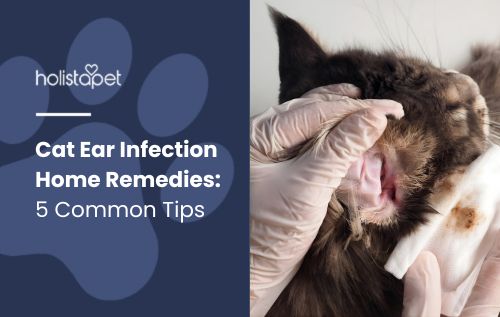
Cat ear infections often start mild. Quick home care prevents worsening. Clean the ears properly and watch for signs like head shaking or redness to support ear health.
Home remedies may help in minor cases, but see a veterinarian if pain or severe symptoms appear.
What is a Cat Ear Infection?
A cat ear infection develops when inflammation or harmful microbes invade the ear canal. The condition affects the outer, middle, or inner ear and often causes pain, irritation, and noticeable behavior changes.
Early treatment lowers the risk of serious complications, including hearing loss.
Where Ear Infections Occur
-
Otitis externa invades the external ear canal
-
Middle ear allows infection to move deeper and disrupt balance
- Inner ear controls coordination and supports hearing
Why Ear Infections Need Attention
-
Untreated problems worsen quickly
-
Infection can tear the eardrum or spread deeper into the ear
- Recurring cases often signal underlying issues such as allergies
Cat Ear Infection Symptoms
Cat ear infection symptoms often show up early and grow worse without care. Quick recognition helps ease discomfort, protect hearing, and address the root cause before the condition becomes serious.
-
Head shaking: Irritation inside the ear canal triggers frequent or forceful movement.
-
Redness: Visible inflammation in the outer ear or canal.
-
Swelling: Puffy or thickened tissue that narrows the passage.
-
Discharge: Bacteria or yeast growth produces brown, yellow, or black fluid.
-
Wax buildup: Excess wax mixed with debris inside the ear.
-
Foul odor: Strong smell that signals infection or yeast overgrowth.
-
Pain: Clear sensitivity when someone touches the ears or head.
-
Head tilt: Ongoing tilt that points to deeper ear involvement.
-
Hearing loss: Reduced response to sound in advanced cases.
- Behavior changes: Irritability, hiding, or low energy caused by discomfort
What Causes Ear Infections in Cats?

Ear infections develop when irritation or trapped debris creates the perfect environment for bacteria or yeast to grow inside the ear canal. Identifying the cause guides proper treatment and helps prevent recurring problems.
Ear Mites
Microscopic parasites invade the ear and trigger inflammation, discharge, and intense head shaking.
Yeast Infections
Yeast multiplies in moist ear canals and causes redness, strong odor, and thick discharge.
Bacterial Infection
Bacteria grow rapidly when wax and debris trap moisture, which leads to swelling, pain, and fluid buildup.
Allergies
Food or environmental triggers spark inflammation and weaken the ear’s natural defenses, which increases infection risk.
Foreign Material
Grass seeds, dirt, and other debris can enter the canal, irritate it, and introduce harmful microbes.
Wax Buildup
Excess wax blocks airflow and creates conditions that support microbial growth.
Tumors or Growths
Masses inside the ear restrict drainage and raise the risk of chronic infections.
Underlying Health Issues
Hormonal imbalances or immune related conditions reduce the body’s ability to fight infection and heal properly.
How Do Vets Diagnose and Treat Cat Ear Infections?
Veterinarians diagnose ear infections by examining the ear canal, identifying the root cause, and selecting treatment that clears the infection while protecting hearing. Accurate diagnosis matters because the wrong approach can increase inflammation or harm the eardrum.
Diagnosis
Step 1: Review symptoms and medical history, including head shaking, discharge, pain, and recurring problems.
Step 2: Examine the outer ear and canal with an otoscope to look for redness, swelling, debris, foreign material, or ear mites.
Step 3: Check the eardrum to see if the infection has spread deeper.
Step 4: Collect ear samples for cytology to identify bacteria or yeast.
Step 5: Order additional tests for chronic cases, such as cultures, imaging, or allergy screening, to confirm the cause.
Treatment
Step 1: Clean the ear canal with a veterinary approved solution and a cotton ball to remove wax and debris safely.
Step 2: Prescribe targeted medication based on test results, including topical antibiotics, antifungal medication, or parasite control.
Step 3: Reduce swelling and irritation with anti-inflammatory medication.
Step 4: Prescribe oral antibiotics for severe infections, deeper involvement, or cases that do not improve with topical treatment.
Step 5: Schedule follow-up exams to track healing, clear remaining symptoms, and protect long-term ear health.
Step 6: Focus on prevention through routine ear cleaning, regular monitoring, and proper management of allergies or related conditions.
Popular Home Remedies for Cat Ear Infections

Many pet parents try home remedies to manage mild ear irritation and support ear health before symptoms escalate. These methods promote cleanliness and comfort, but they do not replace veterinary care.
1. Gentle Ear Cleaning
Regular cleaning removes wax, debris, and foreign material that allow bacteria and yeast to grow.
-
Use a vet approved ear cleaning solution.
-
Apply the solution with a cotton ball and avoid inserting anything deep into the canal.
- Massage the base of the ear gently to help loosen buildup.
2. Warm Compress
A warm compress can calm irritation and ease mild inflammation in the outer ear.
-
Place the compress against the head with the ear exposed.
-
Keep sessions short to prevent discomfort.
- Stop immediately if pain or swelling increases.
3. Hydrogen Peroxide With Caution
Hydrogen peroxide can break down surface debris in very mild cases, but it can also irritate delicate tissue.
-
Dilute the solution properly before use.
-
Avoid use if the condition of the eardrum remains unknown.
- Discontinue use if redness or pain worsens.
4. Avoid Unsafe Natural Oils
Some remedies found online create more harm than relief.
-
Tea tree oil poses toxicity risks for cats.
-
Oils can trap moisture and encourage yeast growth.
- Improper application can delay recovery and hide symptoms.
5. Consistent Monitoring
Early action relies on close observation.
-
Check the ears on a regular basis.
-
Look for head shaking, discharge, or redness.
- Contact a veterinarian if symptoms continue or intensify.
6. CBD for Cats
Some pet owners use CBD to support comfort and calmness during mild ear irritation. CBD may help reduce stress related to discomfort and support overall wellness when used responsibly. If stress contributes to excessive scratching or discomfort, our guide on cbd for feline anxiety explains how hemp-derived supplements may support calm behavior.
- Choose calming oil drops for cats that are specifically formulated for feline use and follow the recommended serving guidelines.
-
Follow dosage guidelines provided by the manufacturer or veterinarian.
- Consult a veterinarian before adding CBD, especially if the cat takes other medications.
Nutritional Support for Feline Ear Infections
These HolistaPet products can support your cat’s overall wellness and comfort while dealing with mild irritation. Use them responsibly with vet guidance.
|
Product |
Format |
CBD Type |
Best For |
Flavor / Form |
Dosing Flexibility |
|
CBD Oil for Cats |
Oil drops |
Broad spectrum |
Flexible daily wellness support |
Unflavored oil |
High, adjust by drop |
|
CBD Cat Treats |
Crunchy treats |
Broad spectrum |
Easy daily support |
Salmon flavor |
Moderate, weight based |
|
CBD Calming Chews |
Soft chews |
Broad spectrum |
Calm behavior support |
Soft chew |
Moderate, weight based |
|
CBD Capsules |
Capsules |
Broad spectrum |
Pre measured daily use |
Vegan capsule |
Fixed, capsule based |
HolistaPet CBD Oil for Cats
This premium CBD oil supports overall feline wellness and calmness in a liquid form. CBD tincture for felines provides broad-spectrum hemp extract in an easy-to-administer liquid format that supports overall wellness and calm behavior.
Key ingredients:
- Broad-spectrum CBD
- Hemp seed oil
How it works:
CBD works with the endocannabinoid system to support balance within the body.
Application method:
- Add drops to food or mouth
- Use once or twice daily
Benefits:
- Supports calm and comfort
- Easy dosing
- Versatile use
HolistaPet CBD Cat Treats
These flavorful treats provide broad-spectrum CBD and salmon oil in a convenient daily format. CBD wellness treats for cats combine broad-spectrum CBD with salmon oil to support daily comfort and overall feline wellness.
Key ingredients:
- Broad-spectrum CBD
- Salmon oil
How it works:
CBD and omega-3s in salmon oil help support overall comfort and wellness.
Application method:
- Give daily as a treat
- Follow weight-based serving size
Benefits:
- Easy to administer
- Supports general wellness
- Cat-friendly flavor
HolistaPet CBD Calming Chews for Cats
Soft chews with CBD and natural calming botanicals to help soothe mild stress or discomfort.
Key ingredients:
- Broad spectrum CBD
- Natural calming components
How it works:
CBD promotes a relaxed state while chews deliver a palatable supportive option.
Application method:
- Give one chew daily
- Adjust serving if guided by vet
Benefits:
- Supports calm behavior
- Easy to feed
- Tasty format
HolistaPet CBD Capsules for Cats
Vegan, pre-measured CBD capsules that support overall well-being and wellness balance.
Key ingredients:
- Broad spectrum CBD
- Hemp seed powder
How it works:
Capsules provide consistent CBD exposure to support internal wellness systems.
Application method:
- Give orally daily
- Hide in food if needed
Benefits:
- Precise dosing
- Non-intoxicating
- Vegan capsule format
Final Thoughts
Cat ear infection home remedies can ease mild irritation when used early and with care. Persistent symptoms, pain, or discharge require veterinary treatment to clear the infection and protect long term ear health.
Explore more plant-based remedies for cats to discover natural wellness tips for common feline health concerns.
Frequently Asked Questions
What are the most common cat ear infection symptoms?
Common cat ear infection symptoms include head shaking, scratching, redness, swollen tissue, ear discharge, strong odor, and visible wax buildup in the outer ear. A cat may also show pain when the head or ear flap is touched. In more serious cases, hearing loss or balance issues can occur if the infection spreads to the middle ear or inner ear. Cats experiencing both ear irritation and eye discharge may also benefit from learning about eye infection symptoms, since some underlying conditions can affect multiple areas of the face.
What causes ear infections in cats?
The most common causes of a cat ear infection include mites, bacteria, and yeast overgrowth. Allergies, foreign material, excess wax, and even tumors can also trigger ear inflammation. Identifying the underlying cause is essential for proper cat ear infection treatment and long-term prevention.
How do veterinarians diagnose ear infections?
A veterinarian will examine the cat ear, including the outer ear, middle ear, and inner ear, using specialized tools. They may perform tests to identify bacteria, yeast, or an ear mite infestation. Checking the eardrum ensures it is intact before starting any treatment plan.
What is the best cat ear infection treatment?
The right cat ear infection treatment depends on the cause. Veterinary care often includes ear drops, antibiotics, antifungal medications, or anti inflammatory drugs to reduce pain and inflammation. In severe or chronic ear infections, oral antibiotics may be needed. Always follow your vet or veterinarian for safe and effective treatment.
Can I treat ear infections at home?
For mild ear infections, gentle ear cleaning with a vet-approved ear cleaning solution and a cotton ball may help remove wax and debris. Some pet parents use diluted hydrogen peroxide or apple cider vinegar, but these should be used cautiously to avoid irritation. Home care should never replace professional care if symptoms worsen or persist.







1 comment
Karen McCoskey
I’ve tried everything vinegar cat medicine, someone suggested garlic, so I warmed up some garlic let it cool down I put it in my cat’s ear and he seems to be feeling better. I’m just saying I live in assisted living have no extra money at all my cat and his sister live with me you’re 16 years old they are my friends and my family
Leave a comment
All comments are moderated before being published.
This site is protected by hCaptcha and the hCaptcha Privacy Policy and Terms of Service apply.