

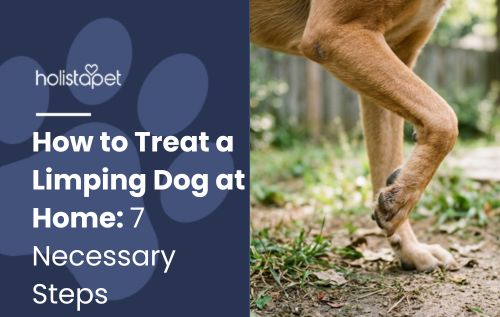
A limping dog may be experiencing anything from a minor paw irritation to a more serious injury involving muscles, joints, or bones. Early and careful home management can help reduce discomfort, limit further strain, and support recovery while you monitor whether veterinary care is needed.
Knowing how to respond quickly also helps pet parents identify warning signs that may require urgent professional attention.
Why is My Dog Suddenly Limping?
 Limping in dogs can result from a variety of conditions affecting the paw, leg, joints, or nerves. Common causes include:
-
Paw injury: A small stone caught between paw pads, broken nails, or foreign objects can trigger limping in dogs.
-
Muscle strains: Running or jumping can strain the front leg or back leg and cause discomfort.
-
Insect bite: A paw insect bite may cause swelling, redness, and pain.
-
Joint conditions: Hip dysplasia and luxating patella commonly affect older dogs and larger dogs.
-
Torn ligaments: A cruciate ligament injury can make a dog avoid putting weight on one leg.
-
Broken bones: Fractures or breaks often cause severe pain and difficulty walking.
-
Nerve damage: Weakness or dragging in the leg may point to nerve damage.
-
Health conditions: Tick testing, blood work, and x-rays can help identify the underlying cause.
How to Treat a Limping Dog at Home?
Step #1. Limit Movement Immediately
Keep the dog calm and prevent running, jumping, or rough play. Too much movement can cause further strain on an injured leg or torn ligaments.
Short leash walks for bathroom breaks help avoid further injury, especially in larger dogs that continue trying to stay active despite pain.
Step #2. Check the Dog’s Paw and Leg
Inspect the paw pads, nails, and affected limb for:
-
Cuts or punctures
-
Swelling or heat
-
Foreign objects
-
Broken nails
Gently feel the area if your dog allows it. Avoid pressing painful areas, as dogs may react strongly when injured.
Step #3. Apply a Cold Compress (First 24 Hours)
Use a towel-wrapped ice pack for 10–15 minutes at a time. This may help reduce swelling and support comfort after minor strains or soft tissue injuries.
Cold therapy is most effective during the first day after injury.
The American College of Veterinary Surgeons notes that cold therapy may help reduce inflammation after soft tissue injury. Cold treatment works best early before swelling spreads through the leg.
Step #4. Use Warm Compresses After Swelling Improves
After the initial swelling decreases, warm compresses may help improve circulation and ease stiffness, especially in cases related to joint discomfort or mild mobility issues.
Do not apply heat to open wounds or areas that feel hot or inflamed.
Step #5. Monitor Weight Bearing and Walking
Observe your dog’s movement closely:
-
Mild limp: still bearing some weight
-
Moderate limp: partial weight avoidance
-
Severe limp: no weight placed on limb
Seek immediate veterinary care if your dog is unable to stand, drags a limb, or shows signs of significant pain.
Step #6. Support Recovery With Joint and Mobility Supplements

Some pet owners choose to include joint-support supplements as part of a dog’s recovery plan, especially when dealing with temporary limping or long-term mobility concerns. These products often contain ingredients such as glucosamine, turmeric, or Boswellia, which are commonly associated with supporting normal joint function and mobility.
In some cases, wellness supplements designed for dogs may also include CBD-derived ingredients. Early research in canine wellness suggests that CBD may help support comfort and mobility in dogs with joint-related issues, although individual responses can vary. Veterinary guidance is recommended before introducing any new supplement into a dog’s routine.
It is important to note that supplements should be considered supportive only and are not a replacement for proper veterinary diagnosis or treatment.
Step #7. Maintain a Healthy Weight During Recovery
Excess weight may place additional stress on joints, muscles, and ligaments, potentially slowing recovery. Keeping your dog at a healthy weight may help reduce strain on the affected limb and support long-term mobility.
This is especially important for dogs prone to joint issues such as hip dysplasia or luxating patella.
When to Take Your Dog to the Vet?
Seek veterinary care if any of the following signs occur:
|
Warning Sign |
Possible Concern |
Recommended Action |
|
Dog refuses to bear weight |
Torn ligaments, broken bones, or severe pain |
Seek urgent care immediately |
|
Dangling limb or irregular angle |
Broken limb or serious injury |
Visit an animal hospital right away |
|
Severe swelling limbs |
Infection, fracture, or internal damage |
Schedule a vet appointment quickly |
|
Open wounds or bleeding |
Deep cuts or trauma |
Seek veterinary care immediately |
|
Dog cries when touched |
Severe pain or nerve damage |
Contact a veterinarian |
|
Limping lasts over 48 hours |
Underlying cause may need treatment |
Request x rays and evaluation |
|
Paw feels hot or swollen |
Infection, sting strains, or paw insect bite |
Seek professional veterinary care |
|
Trouble standing or walking |
Joint pain or neurological issues |
Get veterinary care as soon as possible |
|
Limping in older dogs |
Hip dysplasia, luxating patella, or arthritis |
Discuss a treatment plan with a veterinarian |
|
Fever or low energy |
Infection or illness affecting general health |
Blood work and testing may help |
Frequently Asked Questions
Can a limping dog heal on its own?
Mild cases, such as minor strains or small paw irritations, may improve with rest. However, worsening symptoms or prolonged limping require veterinary evaluation.
Should I let my dog walk if they are limping?
Only allow short leash walks for bathroom breaks. Avoid exercise, running, or long walks, as these may worsen the injury.
Do small and large dogs limp for different reasons?
Yes. Smaller dogs are more prone to luxating patella, while larger breeds often experience hip dysplasia or ligament injuries.
Is limping always caused by injury?
No. Limping may also be caused by infections, joint disease, nerve issues, or other medical conditions.
Can I give my dog pain medication at home?
Do not give human medication unless prescribed by a veterinarian, as some drugs can be toxic to dogs.
Can physical therapy help recovery?
Yes. Veterinary-guided physical therapy may support strength, mobility, and recovery after injury or surgery.







Leave a comment
All comments are moderated before being published.
This site is protected by hCaptcha and the hCaptcha Privacy Policy and Terms of Service apply.