

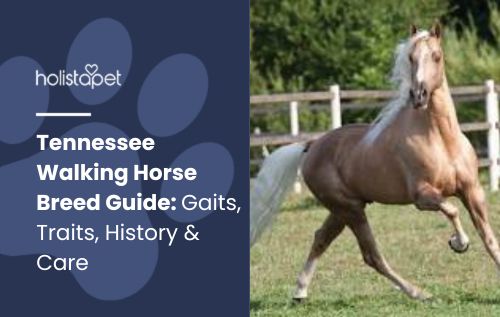
The Tennessee Walking Horse is a smooth-gaited American breed known for its comfortable riding style, gentle temperament, and versatility. Originally developed in the southern United States, this horse has become a popular choice for trail riding, pleasure riding, and show disciplines.
Unlike many horse breeds that rely heavily on the trot, Tennessee Walking Horses perform distinctive natural gaits that allow riders to cover long distances with less bounce and fatigue. Their willing nature and people-oriented personality have made them a favorite among riders of all experience levels.
For related equine behavior insights, see: HolistaPet Horse Behavior & Care Guide.
Tennessee Walking Horse At a Glance
|
Trait |
Details |
|
Origin |
Tennessee, United States |
|
Breed Type |
Light Saddle Horse |
|
Height |
14.3–17 hands |
|
Weight |
900–1,200 pounds |
|
Temperament |
Gentle, calm, willing |
|
Lifespan |
25–30 years |
|
Best For |
Trail riding, pleasure riding, showing |
|
Signature Gait |
Running Walk |
|
Common Colors |
Black, bay, chestnut, palomino, gray, pinto patterns |
Tennessee Walking Horse Characteristics

The Tennessee Walking Horse has a refined build designed for balance and efficient movement. Key features include a sloping shoulder, strong hindquarters, and a smooth, ground-covering stride.
Its most defining trait is its natural ability to perform a comfortable four-beat gait without extensive training.
Temperament and Personality

The Tennessee Walking Horse is known for its calm, willing, and people-oriented temperament. It is typically easy to train and responds well to consistent handling.
This breed is often described as:
-
Gentle and cooperative
-
Suitable for beginners and experienced riders
-
Social and attentive toward humans
-
Calm under saddle, especially on trails
Because of these traits, it is commonly used for leisure riding, therapeutic riding programs, and show events.
History of the Tennessee Walking Horse

The Tennessee Walking Horse originated in the southern United States during the 19th century. It was developed by crossing several breeds, including:
-
Narragansett Pacer
-
Canadian Pacer
-
Standardbred
-
Thoroughbred
-
Morgan
-
American Saddlebred
Initially called the Tennessee Pacer, the breed was refined over time into the Tennessee Walking Horse known today. It was valued for endurance, smooth movement, and reliability in farm and plantation work.
Training and Development
 Tennessee Walking Horses are generally willing learners that respond well to patient and consistent training methods.
Training goals often include:
-
Developing gait consistency
-
Improving responsiveness to aids
-
Building balance and coordination
-
Enhancing overall fitness
Positive reinforcement, structured routines, and gradual conditioning programs help these horses develop confidence while maintaining their natural movement patterns.
Nutrition and Feeding for Tennessee Walking Horse
Like all horses, Tennessee Walking Horses require a balanced diet tailored to their age, activity level, and overall health.
A healthy feeding program typically includes:
-
High-quality forage
-
Access to pasture when available
-
Adequate protein sources
-
Essential vitamins and minerals
-
Fresh, clean water at all times
Some horses may benefit from additional nutritional support depending on workload or specific health considerations.
Owners interested in supporting overall wellness may also explore veterinarian-approved equine supplements and nutritional products. Resources related to horse nutrition, digestive support, and wellness supplements can help owners make informed decisions about their horse's dietary needs.
Grooming
Regular grooming helps maintain coat condition and supports overall health.
Basic grooming practices include:
-
Daily or weekly brushing
-
Cleaning the face with a damp cloth
-
Mane and tail maintenance
-
Hoof cleaning and inspection
-
Stall cleaning to reduce flies and bacteria
Show horses often require more frequent grooming than horses used primarily for recreational riding.
Common Health Problems
Tennessee Walking Horses are generally healthy, but like all breeds, they can be predisposed to certain conditions.
Navicular Disease
Navicular disease affects structures within the hoof and may contribute to chronic lameness. Proper hoof care, regular farrier visits, and veterinary guidance are important for management.
Laminitis
Laminitis is a painful inflammatory condition affecting the tissues within the hoof.
Potential signs include:
-
Lameness
-
Reluctance to move
-
Increased digital pulse
-
Shifting weight between feet
Management should always be directed by an equine veterinarian.
Hyperkalemic Periodic Paralysis
Hyperkalemic Periodic Paralysis (HYPP) is an inherited muscle disorder that can cause episodes of muscle twitching, weakness, or paralysis. Management strategies often focus on dietary adjustments and veterinary supervision. Horse owners who suspect HYPP should work closely with an equine veterinarian to develop an appropriate management plan.
Polysaccharide Storage Myopathy
Polysaccharide Storage Myopathy (PSSM) is an inherited muscle condition that may cause stiffness, discomfort, or exercise intolerance. While there is no cure, many horses can be successfully managed through individualized nutrition and exercise programs developed with veterinary guidance.
Malignant Hyperthermia
Malignant Hyperthermia is a rare inherited condition that affects how the body regulates temperature and muscle metabolism. Symptoms may include elevated body temperature, rapid heart rate, and muscle rigidity. Immediate veterinary attention is essential if signs of the condition are observed.
How To Get a Tennessee Walking Horse
The Tennessee Walker will generally cost between a few hundred dollars and $10,000. Equine prices often depend on a horse's discipline. Because Walkers are so versatile, some are bred for shows, while others have been used only for riding. Check out Equine.com or EquineNow.com to browse Tennessee Walkers and see if any are a good match for you. If you're interested in a registry or events, check out the Tennessee Walking Horse Breeders' and Exhibitors' Association or the National Walking Horse Association.
Final Thoughts
The Tennessee Walking Horse remains one of America's most recognizable gaited breeds. Known for its comfortable movement, versatile abilities, and friendly disposition, it continues to be a favorite among trail riders and equestrians alike.
Whether used for recreational riding, competitive events, or family enjoyment, this breed offers a combination of athleticism, reliability, and companionship that has stood the test of time.
Frequently Asked Questions
What is a Tennessee Walking Horse?
The Tennessee Walking Horse is a gaited horse breed developed in Tennessee. It is known for its calm temperament, natural athleticism, and signature running walk.
What makes the Tennessee Walking Horse unique?
The breed is best known for its naturally comfortable four-beat gaits, particularly the running walk, which allows riders to travel long distances with less fatigue.
What gait does a Tennessee Walking Horse perform?
The signature gait the Tennessee Walking Horse performs is the running walk. This natural gait is faster than a regular walk but smoother than a trot. During the running walk, the hind legs often overstep the front feet, and the horse’s head may nod in rhythm. Tennessee Walking Horses are best known for the flat walk, running walk, and canter. Some individuals may display other gait variations, but these are not universal across the breed.
Are Tennessee Walking Horses good trail horses?
Yes. Their steady temperament, endurance, and naturally comfortable movement make them one of the most popular breeds for trail riding.






Leave a comment
All comments are moderated before being published.
This site is protected by hCaptcha and the hCaptcha Privacy Policy and Terms of Service apply.