

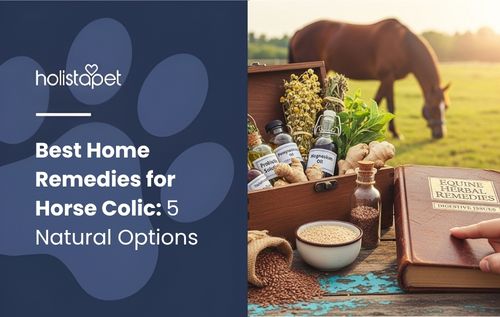
Colic in horses can turn from mild discomfort into a life threatening situation in a short time, which leaves many horse owners searching for safe and effective ways to respond quickly.
Understanding practical home remedies for horse colic can help ease abdominal pain, support the horse's digestive system, and reduce colic risk while waiting for proper veterinary attention.
What is Colic in Horses?

Colic in horses refers to abdominal pain linked to problems in the horse's digestive tract. It is one of the most common equine health emergencies and can range from mild digestive upset to severe cases that require colic surgery.
Different types affect gut motility and the overall function of the horse's digestive system:
- Gas colic: Caused by excess gas buildup in the digestive system, often linked to diet changes or fermentation issues that disrupt gut motility.
- Impaction colic: Occurs when feed material blocks part of the digestive tract, commonly due to dehydration, low fiber intake, or sand ingestion.
- Spasmodic colic: Involves sudden intestinal contractions that lead to abdominal pain, often associated with stress, parasite infection, or digestive upset.
- Sand colic: Results from sand accumulation in the horse's digestive tract, which can irritate the abdominal lining and lead to discomfort or more severe problems.
- Displacement or torsion colic: Happens when parts of the intestine shift or twist, cutting off blood supply and requiring immediate veterinary attention or surgical care.
Are There Natural Home Remedies for Horse Colic?
Yes. Natural home remedies can help support mild colics and ease abdominal pain, but they do not replace veterinary treatment.
Use them only for mild cases and seek immediate veterinary attention for worsening colic symptoms.
|
Remedy |
Benefit |
Best Use |
Caution |
|
Peppermint |
Reduces gas |
Gas colic |
Mild cases only |
|
Chamomile |
Relaxes spasms |
Spasmodic colic |
Use with guidance |
|
Ginger |
Stimulates digestion |
Mild digestive upset |
Monitor response |
|
Aloe vera |
Soothes lining |
Irritation support |
Not for severe cases |
|
CBD products |
Reduces pain and inflammation |
Mild colics |
Limited equine research |
1. Peppermint for Gas Relief
Peppermint supports the digestive system and may help reduce gas colic by relaxing intestinal muscles.
- Helps ease gas buildup in the horse's digestive tract
- Supports gut motility during mild colics
- Commonly used in equine medicine for digestive comfort
2. Chamomile for Spasmodic Colic
Chamomile contains calming and anti inflammatory compounds that may help with spasmodic colic.
- Helps relax intestinal spasms
- May reduce inflammation in the abdominal lining
- Supports calm behavior during a
- colic episode
3. Ginger for Digestive Stimulation
Ginger supports digestive health and may help stimulate movement in the digestive tract.
- Encourages gut motility in mild colics
- May reduce nausea and digestive upset
- Supports a healthy digestive system
Research in veterinary medicine shows ginger contains compounds that support gastrointestinal movement and reduce inflammation.
4. Aloe Vera for Soothing the Digestive Tract
Aloe vera may help soothe irritation in the horse's digestive tract.
- Supports the abdominal lining
- May reduce inflammation in the digestive system
- Used in some horses natural remedies for digestive comfort

5. CBD and Hemp-Based Remedies
CBD oil for horses is sometimes used by horse owners as part of general comfort support routines. These products are typically derived from hemp and are being studied for their potential role in managing stress and discomfort in animals.
Research in veterinary literature, including findings referenced by equine nutrition sources such as Mad Barn, suggests that CBD may interact with receptors involved in pain and inflammatory responses. For a broader overview, the Benefits of CBD Oil for horses page outlines what current research and product options look like. However, scientific understanding in horses is still developing, and results can vary.
In cases of equine colic, CBD or hemp-based ingested products should only be considered as supplementary support and not a replacement for veterinary care.

What are the Common Myths to Avoid When Treating Horse Colic?
Many horse owners follow harmful myths when dealing with horse colic. These misconceptions delay proper care and increase the risk of severe problems.
Walking Fixes Colic
Walking helps stimulate gut motility, but it does not treat colic in horses. It only supports mild cases and should never replace veterinary attention.
The American Association of Equine Practitioners explains that walking mainly prevents injury during a colic episode, not the underlying cause.
Pain Relief Means Recovery
Pain medications reduce abdominal pain, but they can mask clinical signs and interfere with accurate diagnosis.
An equine vet depends on signs like the horse's heart rate and behavior to assess severity. Masking these signs can hide serious conditions like impaction colic.
Home Remedies Can Treat Every Case
Some believe home remedies can handle all types of equine colic. This belief puts the horse at risk.
Severe cases require immediate veterinary attention, medical treatment, or colic surgery. Veterinary medicine plays a critical role in managing these emergencies.
Rolling Helps the Horse Feel Better
Rolling increases the risk of injury and can worsen problems in the horse's abdomen.
Veterinary guidance recommends controlled movement to prevent injury and avoid complications.
Mineral Oil Works Without Veterinary Help
Mineral oil can help treat colic in specific cases, but a veterinarian must administer it through a nasogastric tube.
The Merck Veterinary Manual states that improper use can lead to serious complications and reduce effectiveness.
Feed Always Causes Colic
Feed plays a role, but other factors like parasite infection, sand ingestion, and changes in the digestive tract also contribute.
Regular fecal egg counts and proper equine nutrition help reduce risk but do not eliminate it.
Eating Means No Colic
A horse can still eat during early signs of colic symptoms. Eating does not rule out abdominal pain or digestive upset.
Monitoring behavior and vital signs gives a clearer picture of the condition.
Natural Remedies Replace Veterinary Care
Natural remedies can support mild colics, but they cannot treat severe cases or complications like secondary peritonitis.
Delaying veterinary treatment increases the chance of serious outcomes and reduces recovery success.
When Do I Go to the Vet for Equine Colic?
Call a veterinarian immediately when colic symptoms go beyond mild discomfort or do not improve quickly. Equine colic can escalate fast, and early veterinary attention improves outcomes and reduces the risk of severe problems.
Seek immediate veterinary attention if the horse shows:
- Persistent abdominal pain that does not ease
- Repeated rolling, pawing, or violent behavior
- Increased horse's heart rate above normal levels
- Little to no manure, which may signal impaction colic
- Signs of severe pain such as sweating or rapid breathing
- A distended horse's abdomen
A horse owner should also act quickly when:
- The horse does not respond to basic home remedies
- Symptoms last longer than a short period
- The horse shows signs of sand colic or parasite infection
- Water intake drops or the horse refuses to drink
- The condition worsens instead of improving
Do not delay care. Some cases require surgical care, and waiting can increase the horse's risk of complications such as secondary peritonitis or damage to the digestive tract.
Horse Colic is More Common Than You Think
Horse colic affects many horse owners and can escalate quickly from mild discomfort to a serious emergency. Early recognition, proper care, and timely veterinary attention protect the horse's digestive health and reduce long term risks. Horse owners looking for additional guidance can explore our horse care blog for practical tips and wellness resources.
Frequently Asked Questions
Can stress trigger colic in horses?
Yes. Stress can disrupt gut motility and lead to spasmodic colic or digestive upset. Changes in routine, transport, or environment often increase colic risk.
How does dehydration affect the horse's digestive system?
Dehydration slows movement in the digestive tract and increases the chance of impaction colic. Low water intake makes it harder for feed to pass through the system.
Does body weight influence colic risk?
Yes. Sudden weight gain or loss can affect digestive health and increase strain on the horse's digestive system. Balanced equine nutrition helps maintain stability.
Can parasites lead to colic?
Yes. Parasite infection can damage the digestive tract and trigger abdominal pain. Regular fecal egg counts help reduce this risk.
Is colic more common in certain feeding setups?
Yes. Feeding directly on sandy ground increases the chance of sand ingestion, which can lead to sand colic and irritation in the abdominal lining.
Can weather changes affect colic in horses?
Yes. Sudden temperature shifts can reduce water intake and affect gut motility, which increases the risk of digestive upset.
How fast can a colic episode become serious?
A colic episode can worsen within hours. Severe cases can develop quickly and require immediate veterinary attention to prevent life threatening complications. Always follow standard dosing guidelines when using any supplement as part of a colic comfort routine.
![Washing Horses: Simple Guide [Drying & Calming Tips Included]](http://www.holistapet.com/cdn/shop/articles/Washing_Horses_7906ee10-e4fa-4dcb-9504-d0c5b1353284.webp?v=1748634483&width=500)






Leave a comment
All comments are moderated before being published.
This site is protected by hCaptcha and the hCaptcha Privacy Policy and Terms of Service apply.