

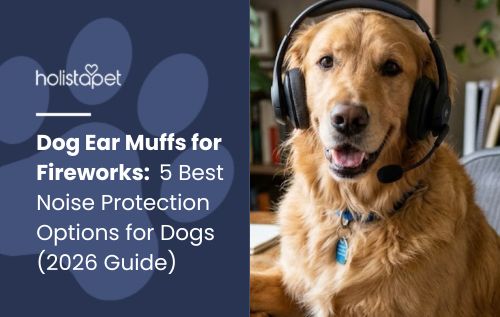
Fireworks can be overwhelming for many dogs due to sudden loud sounds, bright flashes, and unpredictable timing. These stimuli may trigger stress responses such as hiding, shaking, pacing, or attempting to escape.
Dog ear muffs designed for noise reduction may help lower sound exposure and support a calmer environment during fireworks and other loud events. While they do not eliminate noise completely, they can reduce intensity and improve comfort for sensitive dogs.
Why Dogs Are Afraid of Fireworks?
 Dogs have more sensitive hearing than humans and can detect higher frequencies at lower decibel levels. Because of this, sudden loud bursts such as fireworks may feel more intense to them.
Fireworks also combine multiple sensory triggers, including:
-
Sudden loud noises
-
Bright, flashing lights
-
Vibrations from explosions
-
Unpredictable timing
These combined factors may create confusion and fear, especially when the source of the sound is unclear. As a result, dogs may respond by seeking shelter, becoming restless, or showing signs of anxiety.
What are the Best Dog Ear Muffs for Fireworks?
 The best dog earmuffs reduce noise, fit securely on a dog’s head, and support comfort during loud events like fireworks and thunderstorms.
|
Product |
Best For |
Material |
Key Feature |
|
derYEP Dog Earmuffs |
Overall performance |
ABS plastic + padding |
High noise reduction with secure fit |
|
CHOMIN Earmuffs |
Budget option |
Plastic + foam |
Lightweight and affordable |
|
uaidie Ear Muffs |
Large dogs |
Durable plastic |
Wide coverage for bigger heads |
|
Ninuo Calming Earmuffs |
Small breeds |
Fleece fabric |
Soft hood design for comfort |
|
Famikako Headphones |
Alternative option |
Plastic + cushions |
Combines noise cancelling and audio |
1. Best Overall Noise Reducing Muffs for Dogs - derYEP Dog Earmuffs for Hearing Protection

Specifications:
-
Dimensions: Adjustable to fit medium to large dogs
-
Color: Black
-
Material: ABS plastic shell with soft padding
Best For:
-
Fireworks and loud outdoor events
-
Dogs exposed to loud sounds outdoors
-
Long-term hearing protection use
2. Best Budget Option - CHOMIN Noise Cancelling Earmuffs for Dogs

Specifications:
-
Dimensions: Fits small to medium dogs
-
Color: Gray
-
Material: Plastic with foam padding
Best For:
-
Budget-friendly hearing protection
-
Indoor use during storms or alarms
-
Suitable for dogs that are new to hearing protection
The CHOMIN model provides basic sound dampening that may help reduce stress during sudden loud events.
3. Best for Large Dogs - uaidie Dog Noise Protection Ear Muffs

Specifications:
-
Dimensions: Designed for large breeds
-
Color: Black and red
-
Material: Durable plastic with cushioned lining
Best For:
-
Large breeds requiring wider coverage
-
Outdoor environments with loud noise
-
Dogs exposed to very loud environments
This model focuses on full ear coverage to help reduce high-frequency sound exposure.
4. Best for Small Breeds - Ninuo Calming Earmuffs for Cats and Dogs

Specifications:
-
Dimensions: Extra small sizing
-
Color: Soft pastel tones
-
Material: Fleece and stretch fabric
Best For:
-
Small dogs and sensitive pups
-
Indoor rest and calm environments
-
Supporting comfort during storms
The soft hood-style design helps reduce environmental stimulation while improving comfort.
5. Great Ear Muffs Alternative - Famikako Dog Music Headphones for Loud Noise Relief

Specifications:
-
Dimensions: Adjustable fit for various sizes
-
Color: White
-
Material: Plastic with padded cushions
Best For:
-
Dogs that respond well to sound masking
-
Indoor calming during fireworks
-
Combining noise cancelling with audio distraction
These headphones combine sound masking with soft audio, which may help some dogs stay relaxed in noisy environments.
How to Choose the Right Dog Ear Muffs?
Pick dog ear muffs that match your dog’s size, block harmful noise, and stay comfortable during use.
Fit and Coverage
A secure fit protects the ears and prevents slipping during movement. Poor fit reduces noise reduction.
-
Measure the dog’s head and ear area before purchase
-
Check adjustable straps for a snug hold
-
Ensure full ear coverage without gaps
Sound Reduction Capability
Effective hearing protection depends on how well the earmuffs reduce decibels.
-
Look for tested noise reduction ratings
-
Prefer full ear sealing models
-
Choose options suited for loud environments
Research from the American Veterinary Medical Association shows that prolonged exposure to 100 to 108 decibels can damage hearing in dogs, which highlights the need for proper protection.
Comfort and Materials
Comfort affects how well a dog accepts wearing earmuffs.
-
Choose soft padding or fleece lining
-
Avoid rigid pressure on the dog ear
-
Select lightweight designs for longer use
Sound Sensitivity Support
Sudden high-intensity sounds such as fireworks and thunder often trigger stronger fear responses than continuous background noise.
-
Pick products that reduce higher frequencies
-
Consider options designed for anxiety relief
-
Introduce the earmuffs gradually to help your dog adjust.
Studies published in the Journal of Veterinary Behavior found that many dogs show stronger reactions to environmental sounds like fireworks and thunderstorms, especially those with anxiety.
Ease of Use
Simple designs make daily use easier during stressful events.
-
Check quick on and off features
-
Look for secure but flexible straps
-
Avoid complex setups that increase stress
When Should I Put Ear Muffs on My Dog?
Put dog ear muffs on before exposure to loud noises starts to prevent stress and protect hearing.
-
Fireworks events: Use ear muffs before the first burst to reduce anxiety and sudden reactions.
-
Thunderstorms: Put them on before or during storms to help reduce exposure to sudden loud noises.
-
Loud outdoor activities: Use hearing protection during concerts, crowded events, or exposure to heavy traffic noise.
-
Travel situations: Use them in cars or near loud engines to reduce constant noise exposure.
-
Home noise triggers: Put them on during vacuum use, alarms, or other loud sounds indoors.
-
Grooming sessions: Use ear muffs when tools create loud noise near the dog’s head.
-
Training and desensitization: Introduce them gradually during controlled test sessions with treats to build comfort.
How to Help Ear Muffs Work More Effectively?
Dog ear muffs work best when combined with proper training and environment management.
Ensure Proper Fit
A secure fit improves noise cancelling and prevents sound leaks.
-
Adjust straps to sit snug on the dog’s head
-
Cover both ears fully without gaps
-
Check stability during movement
Introduce Them Gradually
Dogs accept wearing earmuffs faster with slow exposure.
-
Start in a quiet indoor space
-
Let the pup wear them for short periods
-
Reward with treats to build positive association
Pair with a Calm Environment
Reducing noise works best with added comfort strategies.
-
Create a quiet rest area indoors
-
Use soft bedding or a fleece hood for extra comfort
-
Close windows to limit outside sounds
Combine with Calming Support
Some dogs may benefit from additional comfort measures alongside hearing protection. Pet owners often combine dog ear muffs with a quiet indoor space, familiar bedding, calming music, or positive reinforcement training to create a more relaxing environment during fireworks and thunderstorms. Any supplements or calming products should be discussed with a veterinarian before use.
Some pet owners also combine hearing protection with veterinarian-approved calming strategies, such as maintaining a quiet space, positive reinforcement training, and calming supplements when appropriate.
Use Before Noise Starts
Timing affects how well hearing protection works.
-
Put ear muffs on before fireworks begin
-
Prepare ahead during July events or known storms
-
Avoid waiting until the dog reacts or feels scared
Test and Adjust
Regular testing improves long-term effectiveness.
-
Observe how the dog reacts to different sounds
-
Adjust fit or switch models if needed
-
Monitor comfort to avoid added stress
Studies in animal behavior show that early intervention and consistent exposure reduce fear responses in anxious dogs, which supports better long-term results with hearing protection.
Firework Anxiety is Bad for Dogs
Fireworks represent one of the most common triggers of noise fear in dogs and affect a large portion of companion animals. Proper hearing protection, the right ear muffs, and a calm setup can reduce noise, ease anxiety, and help dogs feel safe during loud events. [Veterinary review on noise fears in dogs]
Final Thoughts
Dog ear muffs for fireworks can help protect your dog’s ears, reduce loud noise, and create a calmer environment during scary events. They may not eliminate every sound, but with the right fit, treats, and a quiet space, they can make a big difference for anxious dogs.
FAQs About Dog Ear Muffs for Fireworks
1. Do dog ear muffs really work?
They may help reduce noise intensity but do not fully block sound. Many dogs become calmer when sound levels are lowered.
2. Are dog ear muffs safe?
Yes, when properly fitted. They should be comfortable, not too tight, and allow normal movement.
3. Why are dogs afraid of fireworks?
Dogs are sensitive to loud, sudden sounds and may become anxious due to unpredictability and intensity.
4. What should I look for when buying ear protection?
Focus on fit, comfort, adjustability, and noise reduction suitability for your dog’s size and environment.
5. Are dog-specific ear muffs like Mutt Muffs effective?
Some dog ear protection products are designed for noise reduction and may help in loud environments when properly fitted.







Leave a comment
All comments are moderated before being published.
This site is protected by hCaptcha and the hCaptcha Privacy Policy and Terms of Service apply.