

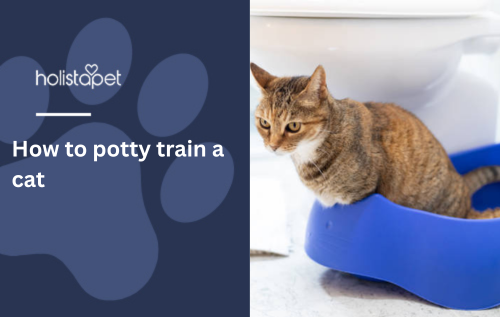
Are you wondering how to potty train a cat and whether it’s really possible? The good news is that cats are naturally clean animals, and with the right approach, patience, and setup, potty training can be a smooth and stress-free experience. This guide will walk you through proven methods, common mistakes to avoid, and helpful tips to make success more likely.
 Understanding Your Cat’s Natural Instincts
Before starting potty training, it’s important to understand how cats think. Cats instinctively want to bury their waste and keep their living area clean. This natural behavior is why most cats take easily to litter boxes—and why potty training works best when you work with their instincts rather than against them.
Key points to remember:
-
Cats prefer quiet, private bathroom areas
-
Strong smells or dirty surfaces can discourage use
-
Consistency and routine matter more than punishment
Step-by-Step Guide to Potty Train a Cat
1. Choose the Right Litter Box Setup
Start with a clean, accessible litter box placed in a calm location. Avoid high-traffic areas or places near loud appliances. The litter box should be large enough for your cat to turn around comfortably.
Helpful note: Unscented, clumping litter is usually best for beginners.
2. Establish a Routine
Cats thrive on routine. Place your cat in the litter box:
-
After meals
-
After naps
-
When they show signs of sniffing or circling
Praise gently when they use the box correctly.
3. Gradually Adjust the Training Method
If your goal is traditional litter training, consistency alone may be enough. If you’re transitioning to a toilet-training system, do so gradually using a cat-friendly training kit. Sudden changes can cause stress and setbacks.
4. Keep Everything Clean
Scoop waste daily and deep-clean the box weekly. Cats may avoid a dirty box and choose other areas instead.
Helpful note: Never use ammonia-based cleaners for accidents—it smells similar to urine and may encourage repeat behavior.
Common Mistakes to Avoid
-
Yelling or punishing your cat after accidents
-
Moving the litter box too often
-
Using heavily scented litter
-
Expecting instant results
Potty training takes time. Setbacks are normal, especially during environmental changes.
 Frequently Asked Questions
How long does it take to potty train a cat?
Most cats learn basic potty habits within a few days to a few weeks. Kittens may take longer, while adult cats with previous training may adapt faster.
Can older cats be potty trained?
Yes. Older cats can learn new habits, but patience is essential. Gradual changes and positive reinforcement work best.
What if my cat refuses to use the litter box?
Check for stress triggers, health issues, or cleanliness problems. Sometimes changing the box location or litter type solves the issue.
Is toilet training safe for cats?
Toilet training can work for some cats, but it may not suit all personalities. Always prioritize your cat’s comfort and safety.
Helpful Notes
-
Schedule regular vet visits to rule out medical causes
-
Use positive reinforcement instead of punishment
-
Stick to a consistent feeding schedule
-
Observe your cat’s body language and preferences
Final Thoughts
Learning how to potty train a cat doesn’t have to be overwhelming. By understanding your cat’s instincts, maintaining consistency, and creating a clean, stress-free environment, you set both yourself and your cat up for success. Every cat learns at their own pace, so stay patient, stay positive, and celebrate progress—no matter how small.
With time and care, potty training can become a natural and reliable part of your cat’s daily routine.







Leave a comment
This site is protected by hCaptcha and the hCaptcha Privacy Policy and Terms of Service apply.