

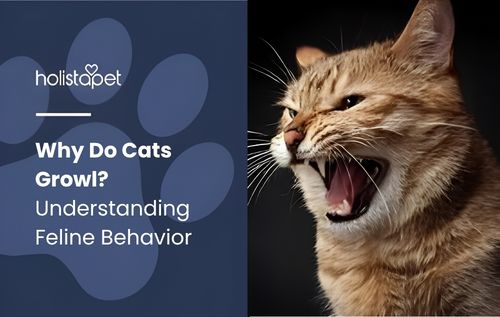
Cat growling is a clear warning signal that a cat is feeling uncomfortable, threatened, stressed, or in pain. It is one of the ways cats communicate boundaries before escalating to aggression.
Understanding why cats growl helps pet owners recognize stress signals early and respond in ways that help cats feel safe and calm, including exploring topics like cbd oil for cats benefits as part of supportive wellness options.
Why Do Cats Growl?

Cats use growling as a form of communication. It usually signals fear, discomfort, territorial behavior, or physical pain. Growling is often paired with body language such as flattened ears, stiff posture, or a flicking tail.
Below are the most common reasons cats growl.
1. Fear and Feeling Threatened
A cat may growl when it feels unsafe or perceives a threat in its environment. This can happen around unfamiliar people, other animals, or sudden loud noises.
Common body language signs include:
- Flattened ears
- Dilated pupils
- Stiff or arched body posture
- Backing away or avoiding contact
Growling in these situations serves as a warning signal, helping the cat create distance and avoid direct confrontation.
According to the American Association of Feline Practitioners, cats are highly sensitive to environmental stressors, and unfamiliar or threatening situations may trigger defensive vocal behaviors such as growling.
2. Territorial Problems With Other Cats
Cats are highly territorial animals. In multi-cat households, growling often happens when boundaries are challenged.
Triggers may include:
- New cats or kittens in the home
- Shared food bowls or litter boxes
- Limited resting or hiding spaces
Cats may growl to protect their perceived territory and resources.
According to International Cat Care, cats rely heavily on territory for security. Competition over resources may increase tension between cats living in the same home.
3. Possible Pain or Medical Discomfort
In some cases, growling may be observed when a cat is experiencing discomfort. This can include dental issues, joint pain, urinary concerns, or other health-related conditions.
Because behavioral changes can have multiple causes, a veterinary evaluation is recommended if growling:
- Appears suddenly
- Occurs without a clear trigger
- Is paired with changes in appetite or mobility
Pain-related behavior should always be assessed by a qualified veterinarian.
A veterinary evaluation is recommended if growling appears suddenly or without a clear trigger. Veterinarian Dr. Nicholas Dodman from Tufts University states that sudden aggression and vocal changes in cats may be associated with pain or an underlying cause that may require veterinary attention.
4. Resource Guarding
Some cats become protective of food, toys, or treats. This behavior is known as resource guarding.
It may occur more frequently when:
- Multiple pets share the same space
- Resources are limited or competed for
- A cat feels insecure about access to food or belongings
Without proper management, this can escalate into aggression.
The ASPCA notes that guarding behavior appears more often in homes with other pets or limited access to resources.
5. Stress From Sudden Changes
Cats are highly sensitive to changes in their environment and daily routine. Even small disruptions can trigger stress-related behaviors, including growling.
Common stress triggers include:
- Moving to a new home
- New people or pets in the household
- Changes in feeding or daily schedule
- Loud or unpredictable environments
When stress is ongoing, it may affect both behavior and overall well-being, making cats more reactive or defensive.
Researchers from Ohio State University found that ongoing stress in cats can affect both physical health and behavior, especially in unstable environments.
6. Learned Reactions From Negative Experiences
Some cats develop growling behaviors after stressful or negative experiences. This is often linked to fear-based associations.
Examples include:
- Rough handling
- Previous fights with animals
- Traumatic or stressful events
In these cases, growling becomes a protective response to avoid perceived danger.
7. Communication Before a Cat Fight
Growling often serves as an early warning before escalation. It tells other animals or humans to back away.
It is part of a cat’s communication system alongside:
- Body posture
- Tail movement
- Facial expressions
Recognizing these signals helps prevent conflict.
Pet owners trying to better interpret feline vocalizations may also benefit from learning about our cat noises and common communication patterns.
A study published in the Journal of Veterinary Behavior found that vocal signals and cat's body language play a major role in de-escalating confrontations between animals.
What Do I Do with My Cat’s Growling?
Respond calmly to your cat’s meowing and hissing, avoid forcing interaction, and focus on identifying environmental or medical triggers. The best response focuses on reducing tension, understanding the cause of the meowing and hissing, and helping the cat feel safe.
|
Situation |
Possible Cause |
What Helps |
When To Call a Vet |
|
|
Growling at other cats |
Territorial disputes |
Separate resources and cat space |
If aggression escalates |
|
|
Growling during touch |
Pain or internal discomfort |
Gentle handling and observation |
Immediately |
|
|
Growling near food |
Resource guarding |
Separate feeding areas |
If biting occurs |
|
|
Growling after changes |
Stress or fear |
Stable routine and calm environment |
If behavior continues for weeks |
|
|
Growling during loud sounds |
Anxiety |
Quiet spaces and calming support |
If panic reactions become severe |
|
|
Growling without warning |
Medical conditions |
Full health evaluation |
As soon as possible |

Give the Cat Space
A growling cat often wants distance, and trying to comfort or pick up the cat immediately may increase aggression.
- Step back and avoid direct eye contact
- Let the cat leave the area freely
- Keep children, other pets, and other animals away
- Watch the cat’s body language, including ear and tail movement
Look for the Obvious Trigger
Many cats may growl because of sudden changes or environmental stress.
Common triggers include:
- Loud noises
- A new person in the house
- A new cat or kitten
- Changes in routine
- Competition over food bowl access
- Territorial issues in multi-cat households
Respiratory irritation discussed in why sneezing may also contribute to discomfort-related vocal behavior in some cats.
Separate Resources in Multi-Cat Homes
Conflict between two cats often comes from shared resources. One cat may guard food, sleeping spots, or litter boxes.
Helpful adjustments include:
- Place litter boxes in separate areas
- Feed cats in different spaces
- Add extra resting spots and cat space
- Use vertical spaces like shelves or cat trees
These changes reduce resource guarding and help lower tension between other cats.
Schedule a Vet Visit for Sudden Growling
A cat that suddenly begins growling without an obvious trigger may be experiencing pain or another underlying medical condition.
A veterinarian should check for:
- Dental disease
- Urinary tract infections
- Joint pain
- Discomfort associated with chronic conditions
Positive Reinforcement and Behavior Support
Punishment increases fear and negative emotions. Calm rewards work better for reducing stress-related behavior.
Try these approaches:
- Offer high-value treats during calm moments
- Reward relaxed behavior around humans or other pets
- Keep interactions short and predictable
- Avoid yelling or physical correction
Cats often respond better in environments that feel safe and predictable.
Calming Support and Environmental Aids
Some pet owners study calming aids as part of a broader stress management approach. These may include products formulated with ingredients such as L-tryptophan, valerian root, or catnip.
Research on calming supplements for cats is still developing, and effects may vary between individuals. Veterinary guidance is recommended before introducing any supplement, especially for cats with existing health conditions.
Some pet owners also explore calming products like CBD oil for cats, CBD cat treats, or ECS support oil for cats as part of broader stress-management routines.
Get Professional Help for Ongoing Aggression
Persistent growling, biting, or scratching may require professional help. Some behavioral problems become harder to manage over time without guidance.
Seek help if the cat:
- Growls daily without an obvious trigger
- Acts aggressively toward humans or pets
- Shows severe fear or stress
- Stops eating or hiding frequently
A veterinarian or certified feline behaviorist can identify the underlying cause and create a behavior plan.
What Should I Do When My Cat Growls?
The best response to cats growling is to stay calm and avoid forcing interaction. The goal is to reduce stress and give the cat space.
For additional behavior guidance and wellness information, explore our complete collection of cat care tips.
Immediate Response Guidelines:
- Step away calmly
- Avoid direct eye contact
- Do not attempt to pick up the cat
- Keep other pets and children away
Identify the Trigger
Try to determine what caused the behavior. Common triggers include:
- Loud noises
- New people or animals
- Changes in routine
- Competition for resources
- Sudden environmental changes
Identifying the cause helps prevent future episodes.
Manage Multi-Cat Households
If multiple cats are involved, resource management is important.
Helpful strategies:
- Provide separate feeding areas
- Add multiple litter boxes in different locations
- Create vertical spaces (cat trees, shelves)
- Ensure enough resting areas for each cat
These steps help reduce tension and competition.
When Do I Take My Cat to the Vet for Growling?
Take the cat to a vet if growling starts suddenly, happens often, or appears with other signs of illness. A cat that is growling constantly may have pain, stress, or medical conditions that require veterinary treatment.
Schedule a vet visit if the cat shows:
- Changes in eating or drinking
- Hiding more than normal
- Aggression, biting, or scratching
- Pain during touch
- Trouble using litter boxes
- Signs of dental disease
- Sudden growling without an obvious trigger
Seek immediate care if the cat:
- Cannot urinate
- Stops eating completely
- Shows severe pain or panic
- Has visible injuries
- Acts unusually weak or disoriented
Frequently Asked Questions
Can cats growl while playing?
Yes, some cats growl during play. A cat may growl while protecting a toy or becoming overstimulated during rough activity. Watch body language closely to make sure play does not turn into aggression.
Do kittens growl too?
Yes, a kitten can growl when scared, stressed, or uncomfortable. Young cats often use vocal sounds as warning signals while learning social behavior around humans, other pets, and other cats.
Is growling louder at night normal?
Yes, some cats become more vocal at night because cats stay naturally active during evening hours. Stress, boredom, territorial issues, or outside animals near windows can also trigger cat growling after dark.
Can a cat growl at specific people only?
Yes, cats may growl at a new person or someone connected to a negative experience. Fear, unfamiliar scents, or past stress can make the cat feel threatened around certain humans.
Does hissing always happen with growling?
No, cats do not always combine hissing with a growl. Some cats rely more on low-pitched vocal communication, while others show warning signs mainly through body language and tail movement.
Can stress make a cat growl more often?
Yes, many cats growl more often during stressful situations. Sudden changes, crowded spaces, loud noises, or limited cat space can make a pet feel unsafe and reactive.
Should cat owners separate fighting cats immediately?
Yes, separating cats calmly helps prevent injuries. Avoid grabbing the animals directly during a cat fight because frightened cats may act aggressively toward humans nearby.
Can older cats growl more than younger cats?
Yes, older cats sometimes growl more because aging increases the risk of pain, dental disease, arthritis, and other medical conditions that affect comfort and behavior.






Leave a comment
All comments are moderated before being published.
This site is protected by hCaptcha and the hCaptcha Privacy Policy and Terms of Service apply.