
Cat Care
Join Our Newsletter
Frequently Asked Questions
Cats are independent and self-sufficient pets, which is one reason we love them! (The other reason? Their cuddles and obsession with boxes, of course). But even though cats are low maintenance, there's still a lot of important cat care requirements to keep your feline friend happy and healthy.
What is the Importance of Cat Care?
What is the Importance of Cat Care?
It's important to understand your cat's behavior, body language, and personality when it comes to proper cat care. Every cat is different and has its own specific needs. But in general, it's important to understand your cat so you can easily identify any differences in behavior or attitude. This will ensure that you catch issues early on and make sure your cat gets proper care.
What Happens If You Don't Properly Care for Your Cat?
What Happens If You Don't Properly Care for Your Cat?
Cats are notoriously talented at hiding pain and discomfort. That's why it's important to keep on top of cat care. If you don't properly care for your cat, they will often become agitated, lethargic, sick, anxious, and anti-social. They can also develop health problems due to low-quality cat food, a lack of water, matted fur, long nails, or a dirty litterbox.
What to Do Before You Get a Cat
What to Do Before You Get a Cat
Cat-proof your home: This includes making sure all plants are not poisonous to your cat, wires and sharp things are hidden, and collectibles and other breakable things are not on counters and other areas where a cat might knock them onto the floor.
Purchase a litterbox: Invest in a litter that won't bother your cat's paws. Purchase multiple litterboxes for multiple cats.
Get non-plastic cat bowls: Plastic bowls can't be cleaned properly. Try ceramic or glass bowls, as well as automatic feeders.
Buy plenty of toys: Get a large variety so you can find out what your cat likes and what gets them active. Make sure some of the toys are interactive so you can play with your cat each day.
Add cat trees to your decor: You should have cat scratchers and trees in multiple rooms, allowing your cat to have spots they can be comfortable in. This will also save your furniture.
Buy quality cat food: Cheap cat food won't provide the proper nutrients for your cat and will most likely make them overweight and unhealthy.
Grab some cardboard boxes: Cats who have access to cardboard boxes are proven to be happier and calmer. Put some cardboard boxes of different sizes throughout your home.
Easy Cat Care Tips
Easy Cat Care Tips
If you want to properly care for a cat and keep them healthy, here is what you need to know!
Have Them Checked by a Vet
When you first adopt a kitten or cat (whether from a shelter or breeder), it's very important to take them to the vet within the first week if possible. They will be able to determine your cat's health and identify any diseases or ailments.
While cats are quite hardy pets that easily hide their discomfort, it's important to bring your cat to annual checkups. These regular vet visits will ensure that your cat is healthy and catch diseases and illnesses early to avoid further complications. Your vet will be able to provide you with proper treatment plans.
Vaccinations
Most cats from the shelter will already come with the necessary vaccinations. According to the Humane Society, it's very important to get your cat vaccines for rabies and the "distemper" shot. The rabies virus is fatal for cats, which is why it's required by law in most states. The distemper shot protects your cat from feline viral rhinotracheitis, calicivirus, and panleukopenia.
Other vaccines available for cats include:
Chlamydia (a bacterial infection), feline leukemia (a viral infection), FIV (a deadly viral infection), FIP (a fatal viral infection), and bordetella (upper respiratory infections). Most of these infections are very contagious, but usually the vaccine is only required for cats that go outside, since they may come across feral cat colines that carry these diseases.
The Pros & Cons of Spaying and Neutering
There are no cons to spaying or neutering your cat. When you adopt a cat from a shelter it will almost always come fixed. Cats from a reputable breeder will be required to be fixed within the first few weeks of adoption (unless you purchased a breeding or show cat).
Fixing your cat is important for your cat's health and attitude. Fixing your cat greatly reduces the risk of testicular and prostate cancer in males. It will also reduce urinary tract infections and other related complications for cats of either sex.
You will also notice that your cat is a lot friendlier and easier to handle. Fixed male cats will stop spraying and other destructive routines. You will also notice reduced yowling, roaming, and other unwanted behavior. This includes being aggressive towards you and other cats.
One of the most important reasons to fix your cat is to help reduce the population of unwanted kittens and cats in shelters (and ferals outside). Over 860,000 kittens and cats are euthanized in shelters each year thanks to overpopulation. About 70% of cats in shelters are put to sleep. These are horrifying statistics.
A lot of people feel it's "kind" to let their cat breed once, but don't personify your pet. Not being able to reproduce often will leave unfixed cats frustrated, another reason they will behave negatively. And even if you find homes for the kittens, that means fewer kittens and cats in shelters that will be placed with families.
Identification
Unlike dogs, cats are often not considered property in most states. That means most cats in the United States are not registered or kept in any database. If a cat runs away, it's very difficult to identify who the cat belongs to if they aren't chipped or wearing a collar with contact information.
CBD for Cats
CBD products for cats are becoming more and more popular. That's because CBD has a lot of benefits for cats, including soothing physical discomforts and calming them down during stressful situations. A lot of people use CBD before a big move or when their cat is left alone for longer than usual.
CBD is a non-psychoactive compound found in hemp. That means it won't get your cat high (since it contains no THC). CBD interacts with the receptors in your cat's endocannabinoid system (ECS). These receptors are found in all of the major systems in your cat's body, including the digestive, immune, and nervous systems. CBD helps promote overall well-being and balance throughout the body's functions and systems.
You can give your cat CBD either by dropping CBD oil in their food each meal or by giving them healthy, natural CBD cat treats. At HolistaPet, we also have catnip spray with CBD, which is perfect for promoting exercise and encouraging your cat to scratch posts instead of your furniture.
Feeding & Hydration
When purchasing a bag of dried cat food, always look at the ingredients immediately. You want to see a protein source (like chicken or lamb) as the first ingredient. That doesn't mean "chicken meal" or any other "meal." You also want to make sure it has very little carbohydrates, which are often called "fillers" due to their lack of importance to a cat's diet. Instead, they often cause obesity and allergies.
It's also very important for cats to get the right amount of taurine each day. This is an amino acid that's essential to your cat's health. Always make sure that the food you provide your cat has this listed in the ingredients to keep them healthy and happy.
Wet food is a healthy alternative to dry food. It can be a bit more expensive and more difficult to store and manage, but adding it to your cat's diet is definitely beneficial to their health. Canned food has more meat and fewer carbohydrates than dry food. Canned food also has a lot of water, which is important since cats often become dehydrated.
Cats are very picky when it comes to water. So you always want to make sure that their bowl is clean and has freshwater. You can also try a water fountain since cats are often drawn to moving water.
It can also help to add an automatic feeder. This supports a very strict feeding schedule that provides your cat the exact portion they need throughout the day. It's also great to have if you ever leave for a trip or work, although you'll still need a cat sitter to check on your cat and the feeder every day.
Housing
It's highly recommended that you keep your cat indoors. Cats that roam outside have much shorter lifespans due to the dangers that come with being outside. Here are the reasons your cat should be kept inside:
- Feral cats: Feral cats that roam the neighborhood often carry diseases. If your cat gets into a fight with them, they could get FIV or another fatal disease.
- Dogs: If a dog escapes their yard or isn't on a leash, they could end up chasing your cat. The cat might become trapped in a tree or get injured, even killed
- Wild animals: A lot of wild animals consider outdoor cats a tasty snack. Hawks, coyotes, fisher cats, foxes, and other predators will easily make a meal out of your cat.
- Cars: 5.4 million cats are hit by cars each year (and that's only counting reported accidents, many people don't report hitting a cat). Whether in the country or city, this is a major concern for any outdoor cat.
- Catnappers: It's surprisingly common for people to grab cats and take them into their own home, thinking they are strays. Or just thinking they're cute and friendly. Some people will even torture or kill outdoor cats.
- Pests: Outdoor cats are more likely to get fleas, ticks, parasites, worms, and other troublesome pests you don't want on your cat or in your home.
- Dirtiness: Outdoor cats often get matted fur and pick up dirt and other debris. You'll need to bathe them more frequently.
Can Cats Be Dangerous to Local Wildlife?
While there are many troubling dangers for cats outside, that's not the only reason to keep them inside. Cats are actually a danger to local wildlife. Since they needlessly kill so many birds, rodents, reptiles, and other small animals, outdoor cats are often considered an invasive species.
Indoor cats should be given plenty of toys for stimulation and exercise. Play with them when you can, encouraging them to run down the halls after toys or flip in the air for ribbons. You might also want to invest in an exercise wheel.
Indoor cats should also have plenty of cat trees and cat scratchers. This will give your cat multiple places to feel confident and comfortable. It will also save your furniture from getting damaged. You should also install window perches and cat shelves so your cat has extra space to explore.
It might be a good idea to build window boxes and outdoor enclosures! Cats love to lounge in the sun and get fresh air. This allows them to get the outdoor experience without all of the dangers to your cat and the local wildlife.
Litterbox
Cats are pretty picky when it comes to their bathroom situation. If you have one cat, one litterbox is usually plenty, but two doesn't hurt. The usual rule of thumb is to have one more litterbox than cats. So if you have three cats, make sure you have room for four litterboxes.
More importantly, make sure the litterboxes are clean. When litterboxes get dirty, cats will sometimes start finding alternative places to poop and pee. This can be pretty frustrating to deal with, so clean your litterbox regularly.
When it comes to the litter itself, that is often up to your cat's preference. Some cats don't mind clay, although it can easily track throughout your home. My cat personally uses a pellet system to avoid tracking (it's just very important to regularly replace the pee pads under the litterbox system). If your cat has any sensitivities, allergies, or is just plain picky, they might start using your sink as a toilet. So keep a close eye on your cat's behavior in the bathroom.
Exercise
It's generally recommended that cats get about 30 minutes of exercise a day. Even though cats seem lazy and like to sleep, you shouldn't ignore this very essential requirement. Cats who don't exercise will become overweight and unhealthy. They will also be less stimulated and release their energy in negative ways (like scratching the couch or climbing into off-limit areas).
Here are some fun exercise ideas for your cat:
Teach them to play fetch (a surprising amount of cats learn this trick).
Use a laser pointer or ribbon to inspire your cat to jump around and let loose some excess energy.
Let them test their problem-solving with puzzles, with food as the prize.
Spray toys with CBD catnip to encourage them to get a little crazy with their favorite toys.
Invest in a cat exercise wheel if your cat is extra energetic.
Create mazes for your cat to figure out, using cardboard boxes and cat tunnels.
Grooming
Cats are pretty clean creatures and give themselves baths throughout the day. But you can help with some regular grooming.
Short-haired cats should be brushed once a week to reduce shedding and keep their fur looking sleek and shiny. This will also cut back on hairballs.
Long-haired cats should be brushed twice a week (except for certain breeds like Persians, who need extensive brushing routines).
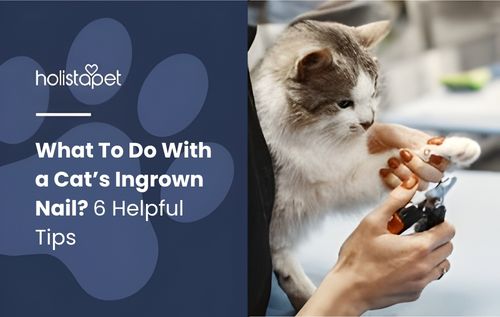
Check your cat's mouth, ears, eyes, and feet for dirt and other signs of dirtiness. You might have to gently wipe away wax and dirt buildup in your cat's ears. Keep in mind, you should also regularly clip your cat's nails to keep them from damaging your home and cutting your cat's paw pads.
Dental Care
Brush your cat's teeth regularly, as weird as that sounds! If you can brush their teeth daily that's highly recommended. If not, even once a week is great. Just like us, cats can get cavities and other painful tooth problems without proper care. They can also get gum disease and other health complications if their dental needs are ignored.
There are a lot of great tools for teeth brushing online, including brushes that fit on your finger. Another great alternative is dental treats. These special treats have a texture that cleans the plaque off your cat's teeth.
Fleas & Pests
Regularly check your cat's coat for fleas and other pests. There are combs specifically designed to uncover fleas. If you see any on the comb, you'll need to immediately treat your cat for these frustrating pests and then begin removing them from your home.
Even indoor cats can get fleas if other units in an apartment complex are infested or if you bring in some fleas on your shoes or pants.
Ticks are also important to look out for, especially if your cat is let outside. Ticks can irritate your cat's skin, causing them to overgroom. This can cause them to lose fur and get skin issues, like rashes and cuts. Some ticks also carry diseases so you always want to remove them as quickly as you can.
Final Thoughts
As you can see, there are some important things to keep in mind when caring for a cat. Even though cats are independent and pretty low maintenance, it's essential to stay on top of these things if you want your cat to remain healthy, active, and happy.
Always provide your cat with quality food, fresh water, a clean litterbox, cat trees, and plenty of toys for your cat. You should also set aside time to play with your cat and bond with them. Even though cats are pretty self-sufficient, they still need human interaction. You should always spend time petting and cuddling with your kitty!
Other Cat Care Articles

























Recommended Products
Based on these articles