

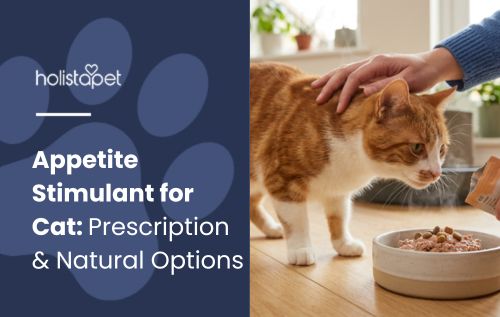
When a cat stops eating, quick action matters. An appetite stimulant for cat care can help stimulate appetite, support adequate nutrition, and reduce the risk of serious health issues like fatty liver disease.
Both prescription appetite stimulants and natural options may help encourage eating based on the underlying cause. For owners looking to better understand feline dietary requirements, following expert cat nutrition tips can help prevent future feeding issues.
What is a Cat Appetite Stimulant?
A cat appetite stimulant is a product or medication used to stimulate appetite in cats with decreased appetite or appetite loss. Veterinarians often use appetite stimulants to help cats start eating again during illness, recovery, or ongoing management of conditions like chronic kidney disease, liver disease, and other systemic diseases.
Options include prescription medications, transdermal ointment for the cat's ear, and natural methods that encourage eating.
Are Feline Appetite Stimulants Effective?
Yes. Appetite stimulants can help cats start eating again, especially during illness, recovery, or chronic kidney disease. Their success depends on the underlying cause and the medication used.
Mirtazapine remains the most common appetite stimulant in feline medicine because it can stimulate appetite and control nausea at the same time. Veterinarians often prescribe it for appetite loss, weight loss, and ongoing management of systemic diseases.
A study published in the Journal of Veterinary Pharmacology and Therapeutics by Dr. Jessica Quimby and colleagues found that cats using transdermal mirtazapine showed improved food intake and weight gain compared to placebo treated cats.
Common benefits include:
-
Better appetite stimulation
-
Increased cat eating
-
Lower risk of fatty liver disease
-
Improved nutritional support during recovery
Some cats still need diagnostic tests and treatment for the underlying disease causing the decreased appetite.
What are the Best Appetite Stimulants for Cats?
Cats with appetite loss often respond well to prescription medications, natural food enhancers, or calming supplements that encourage eating. The best appetite stimulant depends on the root cause, overall medical history, and how quickly the cat needs nutritional support.
Best Prescription Appetite Stimulants for Cats
Veterinarians use prescription appetite stimulants to stimulate appetite in cats with chronic illness, appetite suppression, or unintended weight loss.
|
Prescription Option |
How It Works |
Common Benefits |
Important Notes |
|
Mirtazapine |
Boosts serotonin and appetite signals |
Helps control nausea and encourage eating |
May cause dry mouth or vocalization |
|
Capromorelin |
Mimics hunger hormones |
Supports cat eating and weight gain |
Requires veterinary guidance |
|
Cyproheptadine |
Antihistamine with appetite effects |
Useful for some cats with appetite suppression |
Often used off label |
Mirtazapine
Mirtazapine remains the most common appetite stimulant for cats. It comes as oral tablets and a transdermal ointment applied to the cat's ear. Many cats start eating within a few hours after treatment.
The FDA approved transdermal version, Mirataz, helps cats with weight loss linked to chronic kidney disease. Research from Dr. Jessica Quimby and colleagues showed improved food intake and weight gain in treated cats.
Capromorelin
Capromorelin works by mimicking the hunger hormone ghrelin to stimulate appetite. Veterinarians may use it for cats with decreased appetite caused by systemic diseases or recovery after hospitalization.
Cyproheptadine
Cyproheptadine acts as an antihistamine with appetite stimulation effects. Some veterinarians prescribe it off label for cats with appetite loss that do not respond well to other medications.
Best Natural Appetite Stimulants for Cats
Natural appetite stimulants can encourage eating in mild cases of decreased appetite or during recovery.
|
Natural Option |
Main Benefit |
Best For |
Extra Support |
|
Warm wet food |
Stronger smell and texture |
Cats with decreased appetite |
Easier to digest |
|
Tuna juice |
Improves food flavor |
Picky cats |
Encourages hydration |
|
Bone broth |
Adds nutrients and aroma |
Recovery support |
Gentle on digestion |
|
CBD products |
Supports calm behavior and appetite |
Stress related appetite loss |
May help relaxation |
|
Hand feeding |
Encourages food intake |
Weak or senior cats |
Builds comfort during eating |
Warm Wet Food
Warm wet food releases stronger aromas that attract cats with appetite loss. Many cats tolerate soft textures better than dry kibble during illness.
Tuna Juice and Bone Broth
Tuna juice and bone broth add scent and flavor that can stimulate appetite. These options also increase moisture intake for cats with kidney disease or mild dehydration, but owners should still research safety questions like can felines drink milk before offering other liquids.
Hand Feeding and Deep Bowls
Hand feed small portions or offer our natural cat treats to create comfort and encourage eating. A deep bowl may cause whisker fatigue, so shallow dishes often work better for sensitive cats.
CBD and ECS Support From HolistaPet
CBD may support appetite stimulation by interacting with the endocannabinoid system, also called the ECS, with an ECS support oil for cats which helps regulate appetite, mood, and stress responses. Some cats lose interest in food due to anxiety, discomfort, or ongoing health issues that affect normal eating habits.
At HolistaPet, products designed for feline wellness support relaxation and daily balance, may help support relaxation and appetite behavior in some cats.
CBD cat treats for anxiety and CBD calming chews for cats may help reduce stress-related appetite suppression in some cats. CBD oil for cats also offers flexible serving options for picky eaters or hospitalized cat recovery support.
A 2021 review published in Frontiers in Veterinary Science noted that cannabinoids may influence appetite and nausea pathways in animals through ECS activity, though researchers continue studying long-term veterinary use.

Related Post: Old Cat Not Eating [Reasons Why + Solutions]

When Should I Use Appetite Stimulants for Cats?
Appetite stimulants for cats help when a cat stops eating due to illness, stress, recovery, or chronic health issues. Early appetite stimulation can prevent weight loss and serious complications like hepatic lipidosis.
-
Chronic kidney disease: Helps maintain adequate nutrition and support ongoing management.
-
Recovery after surgery or hospitalization: Encourages eating during healing and weakness.
-
Appetite loss from liver disease: Reduces the risk of fatty liver disease and further health decline.
-
Appetite stimulants for cats help when a cat stops eating due to illness, stress, recovery, or chronic health issues. Early appetite stimulation can prevent weight loss and serious complications like hepatic lipidosis.
-
Chronic kidney disease: Helps maintain adequate nutrition and support ongoing management.
-
Recovery after surgery or hospitalization: Encourages eating during healing and weakness.
-
Appetite loss from liver disease: Reduces the risk of fatty liver disease and further health decline.
-
Stress or anxiety related appetite suppression: Supports cats that avoid food during environmental changes.
-
Decreased appetite from prescription medications: Helps cats continue eating during treatment.
-
Systemic diseases: Improves food intake in cats with underlying disease affecting normal appetite.
-
Senior cats with unintended weight loss: Supports nutritional support and better energy levels.
-
Cats refusing wet food or dry kibble for over a few hours: Signals possible health issues that may need veterinary care.
-
When Do I Go to the Vet for My Cat’s Appetite Loss?

A veterinarian should check any cat that stops eating for more than 24 hours. Cats can quickly develop serious health issues like hepatic lipidosis and severe weight loss after prolonged appetite loss.
Seek veterinary care sooner if the cat shows other symptoms, including:
-
Vomiting or diarrhea (refer to VCA: Diarrhea in Cats or Cornell: Feline Diarrhea for clinical signs)
-
Lethargy or hiding
-
Dry mouth or dehydration
-
Rapid unintended weight loss
-
Trouble eating or swallowing
-
Yellowing eyes or gums linked to liver disease
Veterinarians may use diagnostic tests to find the root cause and recommend appetite stimulants, pain relief, nutritional support, or other medications prescribed for the underlying disease.
Call a veterinarian immediately if the cat's appetite loss happens suddenly or follows possible toxin exposure.
Frequently Asked Questions
Can stress cause appetite loss in cats?
Yes. Stress can reduce a cat's appetite and affect normal eating behavior. Changes in routine, loud environments, travel, or new animals in the home may trigger appetite suppression in sensitive cats.
How long does an appetite stimulant take to work in cats?
Some appetite stimulants start working within a few hours. Others may take one to two days depending on the medication, dosage, and the cat's medical history.
Can cats take appetite stimulants long term?
Yes, some cats use appetite stimulants for ongoing management under veterinary guidance. Cats with chronic kidney disease or other long term health issues may need continued appetite support and regular monitoring.
Are transdermal appetite stimulants safe for cats?
Yes, most cats tolerate transdermal ointment well when used correctly. Owners should wear gloves during application and alternate ears daily to help reduce skin irritation on the cat's ear.
Can appetite stimulants cause side effects in cats?
Yes. Some cats may develop dry mouth, agitation, vocalization, or digestive upset. Serious reactions like serotonin syndrome need immediate veterinary care.
What foods help encourage eating in picky cats?
Warm wet food, bone broth, and small amounts of tuna juice often encourage eating by improving smell and flavor. Shallow dishes may also help cats with whisker fatigue eat more comfortably.






Leave a comment
All comments are moderated before being published.
This site is protected by hCaptcha and the hCaptcha Privacy Policy and Terms of Service apply.