

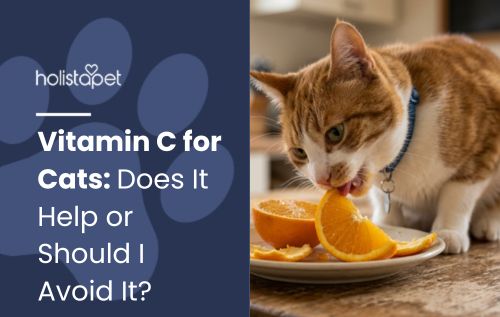
Most cats produce their own vitamin C, so they rarely need extra vitamin C from supplements. Some cat owners still use ascorbic acid to support the immune system and urinary tract health.
Before adding powder, tablets, capsules, or liquid supplements to a cat’s diet, consult a veterinarian to avoid harmful dosage issues and possible health risks.
Is Vitamin C Helpful for Cats?
 Vitamin C can help some cats under specific conditions, but healthy cats usually do not require vitamin supplementation because their liver naturally produces this essential vitamin.
According to the National Research Council’s Nutrient Requirements of Dogs and Cats, cats synthesize their own vitamin C to meet normal body functions, unlike guinea pigs and humans, which must get vitamin C from food.
Veterinarians may still recommend extra vitamin C in certain treatments involving stress, inflammation, or urinary tract concerns, but routine supplementation offers limited health benefits for most cats.
When Should I Use Vitamin C for Cats?
Most cats already produce enough vitamin C through their own bodies, so supplementation works best in specific medical situations.
|
Situation |
Potential Benefits |
Important Risks |
Recommended Form |
|
Urinary tract support |
Helps manage urine acidity |
Calcium oxalate stones |
Powder or liquid |
|
Illness recovery |
Supports immune system |
Incorrect dosage |
Capsules or liquid |
|
Skin repair |
Supports collagen formation |
Digestive upset |
Small amount in food |
|
Senior cat care |
Adds antioxidant properties |
Possible toxicity |
Veterinarian approved supplements |
Urinary Tract Support
Some veterinarians use ascorbic acid to acidify urine in cats with urinary tract concerns.
-
May help lower urine pH in select cases
-
Sometimes included in treatments for certain bladder conditions
-
Requires careful dosage to avoid calcium oxalate stones
-
Needs veterinary advice before long term use
The Merck Veterinary Manual notes that urine acidifiers can help manage some urinary conditions in cats, though improper intake may increase health risks.
During High Stress or Illness
Cats dealing with disease, surgery, or physical stress may need additional antioxidant support.
-
Helps protect cells from oxidative stress
-
Supports the immune system during recovery
-
May assist older animals with inflammation
-
Often paired with other supplements and medication
For Skin and Collagen Support
Vitamin C plays a role in collagen production and tissue repair.
-
Supports skin health and wound healing
-
Helps maintain connective tissues
-
May benefit cats recovering from injuries
Under Veterinary Supervision
Veterinarians sometimes recommend extra vitamin C for cats with unique nutritional or medical needs.
-
Senior cats with chronic health conditions
-
Cats recovering from treatments
-
Animals with poor nutrient absorption
-
Cases involving limited food intake
Do not use human supplements without checking the manufacturer instructions and dosage guidelines from a veterinarian.
When Do I Avoid Vitamin C for My Cat?
Avoid extra vitamin C for cats when no medical need exists or when a veterinarian has not approved supplementation.
-
Healthy cats: Most cats produce enough vitamin C naturally through their own bodies.
-
Cats with kidney disease: Extra ascorbic acid may place additional stress on the kidneys.
-
History of calcium oxalate stones: Vitamin C can increase oxalate levels in urine and raise stone risk.
-
Cats taking multiple supplements: Combining supplements may lead to toxicity or nutrient imbalance.
-
Use of human supplements: Some human products contain ingredients intended for humans that may harm animals.
-
Digestive sensitivity: High dosage may cause diarrhea, vomiting, or stomach discomfort.
-
Unverified treatments: Vitamin C does not cure cancer, infections, or serious disease on its own.
-
Without veterinary advice: Improper supplementation can interfere with medication and other treatments.
What Can I Use for Cats Other Than Vitamin C?
Cats usually respond better to targeted supplements and supportive care than extra vitamin C. The best alternative depends on the specific health concern, including stress, skin issues, digestion, joint support, or immune system balance.
Omega Fatty Acids
Omega 3 fatty acids support skin, joints, and overall health in many cats.
-
Helps maintain healthy skin and coat
-
Supports brain and joint function
-
Commonly found in fish oil and salmon oil supplements
-
Often easier on the digestive system than high vitamin intake
A study published in the Journal of the American Veterinary Medical Association found that omega 3 fatty acids may help reduce inflammation in dogs and cats with chronic conditions.
Probiotics
Probiotics support gut health and nutrient absorption.
-
Helps balance digestive bacteria
-
May reduce diarrhea and stomach discomfort
-
Supports immune function through gut health
-
Available in powder, capsules, and chewable forms
CBD and Calming Support
CBD may help cats dealing with stress, discomfort, or age-related changes. At HolistaPet, we use broad-spectrum hemp extract in products made specifically for pets, including cats.
Options like HolistaPet CBD Oil for Cats, HolistaPet CBD Calming Chews for Cats, and Chicken Flavored CBD Oil for Cats fit cats that need daily calming or wellness support. These products use natural ingredients and avoid artificial additives.
Joint and Mobility Supplements
Older animals often benefit from joint focused nutrients instead of extra vitamin supplementation.
-
Glucosamine supports cartilage health
-
Chondroitin helps joint flexibility
-
Green lipped mussel contains natural antioxidants
-
Often included in senior cat treatments
Moisture Rich Diets
Hydration supports the urinary tract and kidney function better than unnecessary supplements in many cases.
-
Wet food increases water intake
-
Helps maintain healthier urine concentration
-
Supports kidney and bladder health
-
Reduces dehydration risk in older cats
Frequently Asked Questions
Can kittens take vitamin C?
It is not recommended since kittens usually do not need vitamin C supplements. Their bodies start producing this nutrient naturally at a young age, so extra intake may create digestive issues or nutrient imbalance.
Can vitamin C help cats with colds?
Not exactly. Vitamin C does not cure respiratory infections in cats. Veterinarians typically focus on hydration, proper food intake, medication, and supportive treatments instead of high-dose supplements.
How much vitamin C can harm a cat?
High dosage can harm cats by causing diarrhea, stomach irritation, and crystal formation in urine. Toxicity risk increases when cat owners use human supplements without veterinary guidance.
Do cats get scurvy like humans?
Cats rarely develop scurvy. Unlike humans and guinea pigs, cats produce vitamin C through their liver, so deficiency cases almost never occur in healthy animals.
Can cats get vitamin C from food?
Yes, cats can get small amounts of vitamin C from natural ingredients in their diet. Some fruits and vegetables contain this water soluble vitamin, though cats do not rely on food as their main source.
Are liquid vitamin supplements safer than tablets?
Liquid supplements may help with easier dosage control, but safety depends on the formula and manufacturer. Some products intended for humans contain ingredients that may harm pets.






Leave a comment
All comments are moderated before being published.
This site is protected by hCaptcha and the hCaptcha Privacy Policy and Terms of Service apply.