

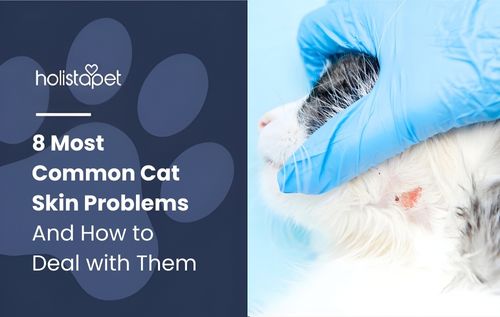
Cat skin problems are common and can develop quickly, often showing visible signs such as itching, hair loss, redness, or scabs. These symptoms may point to underlying issues like parasites, allergies, infections, or hormonal imbalances. Early detection and proper veterinary care are essential to prevent complications and relieve discomfort.
Understanding the most common feline skin conditions helps cat owners respond quickly and protect their pet's skin and coat health. For broader guidance on keeping your feline healthy, explore cat health and care resources from trusted pet wellness experts.
Signs of Cat Skin Problems
Skin problems in cats often manifest as clear physical and behavioral changes. Early recognition helps prevent progression and lowers the risk of secondary infections.
-
Persistent itching with frequent scratching or excessive licking
-
Hair loss, thinning fur, or bald patches on the body or head
-
Flaking, dryness, or crusting along the back or neck
-
Lesions, open sores, or unusual growths
-
Redness, irritation, or areas of darkened skin
-
Acne that appears around the chin
-
Repeated ear scratching linked to mites or other tiny parasites
-
Scabs and bare spots associated with flea bites or flea allergy dermatitis
-
Neglected grooming habits and noticeable changes in skin texture
-
Indicators of infection, including fungal or bacterial concerns
What Are the Most Common Cat Skin Problems?
Cat skin problems often follow recognizable patterns. Understanding the most common conditions helps owners notice early warning signs and choose appropriate care before issues escalate or affect other animals.
1. What Is Ringworm in Cats?
Ringworm is a contagious fungal infection affecting the skin, hair, and sometimes nails. It commonly causes circular bald patches, scaling, and mild inflammation.
What to Do
-
Isolate the affected cat from other animals
-
Disinfect bedding and frequently used areas
-
Apply veterinarian-approved topical treatments
What Not to Do
-
Do not touch lesions without washing your hands afterward
-
Do not postpone care when bald spots appear
When to Contact Your Vet
Call a veterinarian if bald areas expand, lesions worsen, or other pets develop similar symptoms.
2. Fleas and Flea Allergy Dermatitis
Fleas are external parasites that cause intense itching. Some cats develop flea allergy dermatitis, where even a single bite triggers severe skin irritation.
What to Do
-
Start veterinarian-approved flea control immediately
-
Treat all pets in the household
-
Vacuum and clean the environment thoroughly
What Not to Do
-
Do not depend on home remedies alone
-
Do not dismiss ongoing scratching
When to Contact Your Vet
Seek veterinary care if the infestation causes open sores, infection, or strong allergic reactions.
3. Feline Acne
 Feline acne commonly appears on the chin and may extend toward the face. It shows up as blackheads, redness, and swelling. Severe cases can lead to bacterial infection.
What to Do
-
Gently cleanse the chin as advised
-
Switch food and water bowls to stainless steel
-
Watch closely for signs of infection
What Not to Do
-
Do not squeeze or pick at blemishes
-
Do not apply human acne products
When to Contact Your Vet
Contact a veterinarian if swelling increases, discharge forms, or the condition does not improve.
4. Mange
Mange develops when microscopic parasites burrow into the skin. This infestation causes severe itching, fur loss, and thickened crusts. Some types spread quickly between animals.
What to Do
-
Follow all prescribed treatments carefully
-
Limit contact with other pets
-
Sanitize the living space
What Not to Do
-
Do not try unapproved remedies
-
Do not delay treatment due to rapid progression
When to Contact Your Vet
Schedule immediate care if hair loss spreads or irritation intensifies quickly.
5. Ear Mites
Ear mites can cause severe irritation in the ears. Cats often scratch excessively and shake their heads. Untreated cases can lead to infection.
What to Do
-
Use prescribed ear medication
-
Clean the ears exactly as directed
-
Treat every pet in the home
What Not to Do
-
Do not insert cotton swabs deep into the ear canal
-
Do not ignore foul odor or discharge
When to Contact Your Vet
Please contact a veterinarian if symptoms persist or signs of infection develop.
6. Allergies
Allergies may stem from certain foods, environmental triggers, flea sensitivity, or dust exposure. Affected cats often lick excessively and develop widespread irritation or small scabs. For a reliable clinical overview of how these conditions develop, the VCA: Skin Disease Overview in Cats is a helpful reference.
What to Do
-
Identify triggers through a structured elimination plan
-
Adjust the diet when necessary
-
Support skin health with veterinarian-approved supplements
What Not to Do
-
Do not rotate foods too frequently
-
Do not overlook potential household triggers
When to Contact Your Vet
Request a professional evaluation if irritation persists or recurs.
7. General Skin Concerns
Some cats develop dryness, flaking, discoloration, or minor lesions due to grooming issues or environmental factors.
What to Do
-
Assist with regular grooming when needed
-
Keep the living area clean
-
Observe changes closely
What Not to Do
-
Do not apply creams designed for people
-
Do not ignore shifts in texture or appearance
When to Contact Your Vet
Please consult a veterinarian if you're having any symptoms.
8. Underlying Health Conditions
 Certain skin changes point to deeper medical problems, including immune disorders, tumors, or inflammatory conditions. Cats may show abnormal growths or persistent sores.
What to Do
-
Arrange a full physical examination
-
Follow all diagnostic recommendations
-
Commit to the prescribed treatment plan
What Not to Do
-
Do not postpone recommended testing
-
Do not dismiss persistent symptoms
When to Contact Your Vet
Seek immediate veterinary attention when skin changes appear alongside other signs of illness or suggest a serious condition.
Is CBD Good for Feline Skin Problems?
CBD may provide added support for cats with skin concerns, but it cannot replace veterinary care. It works best as a complementary option that helps ease itching, inflammation, or allergic reactions after a veterinarian addresses the root cause. The Cornell Feline Health Center offers authoritative guidance on feline health that can help inform those decisions.
How CBD Supports Skin Health in Cats
-
Soothes irritation linked to environmental triggers
-
Eases discomfort from repeated scratching and licking
-
Supports immune response during allergy flare-ups
-
Helps maintain skin balance alongside proper topical care
-
Reduces stress that can worsen irritation
Use CBD only under veterinary guidance, especially when symptoms persist or relate to deeper health issues.
Best Supplements for Feline Skin Issues
HolistaPet offers natural CBD options that support skin comfort, immune balance, and overall wellness. Below are concise product breakdowns designed for easy comparison.
CBD Oil for Cats
These plant-based oil drops for cats deliver flexible dosing in a simple liquid formula. They suit cats that need adjustable serving sizes and easy mixing with food. Available in multiple strengths for weight-based support.
Key ingredients:
-
Broad-spectrum hemp extract
-
Organic hemp seed oil
How it works:
CBD interacts with the endocannabinoid system to help maintain balance and support normal inflammatory response linked to skin irritation.
Application method:
-
Place drops directly into the mouth browse CBD oil tinctures for cats to compare available strengths.
-
Mix into food
-
Adjust serving by weight
Benefits:
-
Precise dosing control
-
Simple ingredient formula
-
Easy to combine with meals
-
Suitable for daily use
CBD Cat Treats
These hemp treats for cats combine broad-spectrum CBD with a grain-free formula. Each treat contains a pre-measured amount for consistent daily support.
Key ingredients:
-
Broad-spectrum hemp extract
-
Salmon or chicken flavor
-
Pea flour base
How it works:
Consistent daily servings help support immune function and maintain normal skin comfort.
Application method:
-
Give as a daily treat
-
Follow the weight-based serving guide
-
Offer with or without food
Benefits:
-
Pre-measured dosing
-
Convenient routine option
-
Grain-free recipe
-
Palatable flavor
CBD Calming Chews for Cats
Soft chews combine CBD with calming botanicals to support stress-related skin flare-ups. Ideal for cats prone to over-grooming triggered by tension.
Key ingredients:
-
Broad-spectrum hemp extract
-
Chamomile
-
L tryptophan
How it works:
CBD and calming ingredients promote relaxation, which may help reduce stress-driven scratching and licking.
Application method:
-
Give daily or as needed
-
Follow weight-based serving
-
Offer as a chewable treat
Benefits:
-
Supports calm behavior
-
Soft texture
-
Simple dosing
-
Helps manage stress-related irritation
Final Thoughts
Cat skin problems often signal more than simple irritation and frequently connect to parasites, allergies, infections, or deeper health concerns. Early action, accurate identification of the root cause, and close collaboration with a veterinarian offer the most reliable way to protect skin health and overall well-being. If your cat is also experiencing digestive upset or other symptoms, our guide on our why is my cat may provide useful context.
Frequently Asked Questions About Common Cat Skin Problems
What are the most common cat skin problems?
Common cat skin problems include flea allergy dermatitis, feline acne, ear mites, fungal infection, bacterial skin infections, dry skin, flaky skin, food allergies, environmental allergies, and skin parasites. These skin conditions in cats can cause itchy skin, excessive scratching, hair loss, inflamed skin, bald patches, skin lesions, and irritated skin. Pet parents should monitor any changes in their cat's skin, coat, and overall behavior, as early care can help prevent secondary infections.
What are the signs of cat skin conditions?
Common signs of cat skin conditions include excessive or persistent scratching, excessive grooming, flaky or dry skin, bald patches, thickened or inflamed skin, ulcerated skin, skin growths, and skin inflammation. Some affected cats may also develop skin lesions, hair loss, poor grooming, or changes in coat color. If the cat's symptoms continue or worsen, a veterinarian can help identify the underlying cause and recommend appropriate treatment.
Why does my cat have itchy skin?
Flea bites, food allergies, environmental allergies, contact allergies, insect bites, ear mites, fungal infection, bacterial infection, or other skin diseases may cause itchy skin in cats. Sensitive cats may develop an allergic reaction after exposure to certain foods, dust, pollen, cleaning products, or parasites. Intense itching should not be ignored because it can lead to skin damage and secondary infections.
Can food allergies cause cat skin problems?
Yes, food allergies can cause cat skin problems, especially when cats develop an allergic reaction to certain ingredients in their diet. Food allergies may lead to itchy skin, excessive grooming, hair loss, irritated skin, inflamed skin, and ear infections. Allergy testing or a veterinarian-guided food trial may help determine whether food is the underlying cause of the cat's skin issues.
What is flea allergy dermatitis in cats?
Flea allergy dermatitis is a common feline skin problem caused by an allergic response to flea bites. Even a few flea bites can cause intense itching, excessive scratching, hair loss, bald patches, and inflamed skin in affected cats.
A proper flea control plan is important, especially in homes with other pets, because fleas can spread quickly and worsen skin inflammation. Owners noticing other unusual physical changes should also check our article on cat tooth fell out as dental health can sometimes reflect broader wellness concerns.








Leave a comment
All comments are moderated before being published.
This site is protected by hCaptcha and the hCaptcha Privacy Policy and Terms of Service apply.