

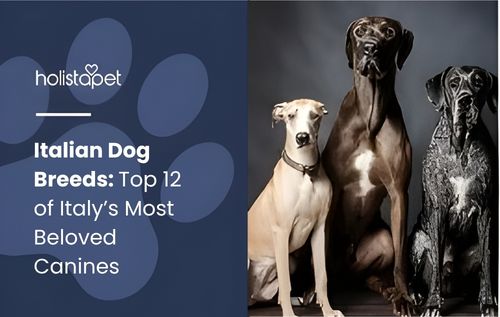
Italy shaped some of the world’s most remarkable dog breeds. Each Italian dog carries purpose, history, and strong character. The powerful Cane Corso stands as a fearless protector, while the sleek Italian Greyhound charms as a graceful lap dog.
This guide studies the most beloved Italian dog breeds and shows what makes each breed a perfect companion.
What are the Most Popular Italian Dog Breeds?

Italy offers a wide range of dog breeds that serve as loyal companions, skilled hunters, and reliable working dogs. Each Italian breed reflects a unique role shaped by history, environment, and purpose.
|
Breed |
Origin Region |
Primary Role |
Coat Type |
Energy Level |
Life Expectancy |
|
Italian Greyhound |
Italy |
Companion |
Short |
Low to Moderate |
Medium life expectancy |
|
Cane Corso |
Southern Italy |
Guard |
Short |
High |
Medium life expectancy |
|
Spinone Italiano |
Northern Italy |
Hunting |
Wiry |
Moderate |
Medium life expectancy |
|
Bergamasco Sheepdog |
Italian Alps |
Herding |
Matted |
Moderate |
Large life expectancy |
|
Bracco Italiano |
Italy |
Pointer |
Short |
High |
Medium life expectancy |
|
Cirneco dell'Etna |
Sicily |
Hunting |
Short |
High |
Medium life expectancy |
|
Maremma Sheepdog |
Central Italy |
Livestock Guardian |
Thick |
Moderate |
Large life expectancy |
|
Lagotto Romagnolo |
Romagna |
Truffle Hunter |
Curly |
Moderate |
Medium life expectancy |
|
Neapolitan Mastiff |
Naples |
Guard |
Short |
Low |
Small life expectancy |
|
Volpino Italiano |
Italy |
Companion |
Fluffy |
Moderate |
Medium life expectancy |
|
Bolognese |
Bologna region |
Companion |
Soft |
Low |
Medium life expectancy |
|
Segugio Italiano |
Italy |
Scent hound |
Short/Wiry |
High |
Medium life expectancy |
1. Italian Greyhound: Elegant and Affectionate Companion

Breed Characteristics:
- Breed Type: Companion and lap dog
- Height: 13 to 15 inches
- Weight: 7 to 14 pounds
- Italian Greyhound size: Small and slender
- Colors: Black, blue, fawn, cream, red
Best For:
- Apartment living
- Owners who want a gentle and affectionate best friend
- Homes that prefer calm furry friends
Care Tips:
- Provide daily exercise through short walks
- Protect from cold due to thin coat
- Offer soft bedding for comfort
The Italian Greyhound traces back to ancient Roman times, where nobles valued its elegance. The Italian Greyhound forms strong bonds with its owner and adapts well to calm households.
2. Cane Corso: Powerful and Protective Guardian

Breed Characteristics:
- Breed Type: Working dog and bodyguard dog
- Height: 23 to 28 inches
- Weight: 90 to 120 pounds
- Cane Corso size: Large and muscular
- Colors: Black, gray, fawn, brindle
Best For:
- Experienced dog owners
- Families seeking a protective family pet
- Homes with space for large dog breeds
Care Tips:
- Provide structured training early
- Ensure enough exercise daily
- Maintain socialization with other dogs
The Cane Corso comes from ancient Rome, where it served as a guard and hunting dog. This Italian breed carries an intimidating appearance but shows loyalty and affection toward its family.
3. Spinone Italiano: Gentle and Versatile Hunter

Breed Characteristics:
- Breed Type: Hunting dog and working dog
- Height: 22 to 27 inches
- Weight: 60 to 85 pounds
- Coat: Wiry texture
- Colors: White, orange, brown roan
Best For:
- Active families
- Outdoor enthusiasts
- Owners who want a gentle nature
Care Tips:
- Provide regular exercise outdoors
- Groom coat to prevent matting
- Keep ears clean
The Spinone Italiano developed as a versatile Italian pointer used for hunting in rough terrain. This breed shows patience, endurance, and an eager to please attitude
4. Bergamasco Sheepdog: Unique Coat and Loyal Worker

Breed Characteristics:
- Breed Type: Herding and working dog
- Height: 22 to 24 inches
- Weight: 57 to 84 pounds
- Unique coat: Matted and layered
- Colors: Gray shades
Best For:
- Farms or large properties
- Owners who want independent working dogs
- Families seeking loyal companions
Care Tips:
- Maintain coat separation
- Provide mental stimulation
- Offer consistent exercise
The Bergamasco Sheepdog comes from the Italian Alps and helped guard sheep for centuries. Its unique coat protects it from harsh weather while it works.
5. Bracco Italiano: Classic Italian Pointer

Breed Characteristics:
- Breed Type: Hunting dog and scent hound
- Height: 21 to 27 inches
- Weight: 55 to 90 pounds
- Colors: White with orange or brown patches
- Build: Athletic
Best For:
- Hunters
- Active households
- Owners who enjoy training
Care Tips:
- Provide daily exercise
- Train consistently
- Monitor diet for health
The Bracco Italiano stands as one of the oldest Italian dog breeds. It worked as a skilled Italian pointer known for tracking game with precision.
6. Cirneco dell'Etna: Agile and Ancient Hunter

Breed Characteristics:
- Breed Type: Hunting dog
- Height: 16 to 20 inches
- Weight: 17 to 26 pounds
- Cirneco dell'Etna size: Medium and lean
- Colors: Tan shades
Best For:
- Active owners
- Warm climates
- Homes that value energetic breeds
Care Tips:
- Provide regular exercise
- Keep engaged with activities
- Ensure safe outdoor space
The Cirneco dell'Etna traces back to ancient times in Sicily. This ancient breed hunted small game and adapted well to rugged terrain.
7. Maremma Sheepdog: Reliable Livestock Guardian
Breed Characteristics:
- Breed Type: Working dog
- Height: 23 to 29 inches
- Weight: 66 to 100 pounds
- Maremma Sheepdog size: Large
- Coat: Thick and white
Best For:
- Farms
- Owners needing a guard sheep dog
- Rural environments
Care Tips:
- Provide space to roam
- Brush coat regularly
- Train with consistency
The Maremma Sheepdog protected livestock across Italy for centuries. This breed shows independence and loyalty in guarding roles.
8. Lagotto Romagnolo: Truffle Hunter with a Curly Coat
Breed Characteristics:
- Breed Type: Working dog
- Height: 16 to 19 inches
- Weight: 24 to 35 pounds
- Lagotto Romagnolo size: Medium
- Curly coat: Dense and water resistant
Best For:
- Families
- Owners who want a smart and affectionate dog
- Homes that enjoy outdoor activities
Care Tips:
- Groom curly coat regularly
- Provide mental challenges
- Offer daily exercise
The Lagotto Romagnolo comes from the Bologna region and worked in cold water to retrieve game. It later became known for truffle hunting.
9. Neapolitan Mastiff: Massive and Loyal Protector
Breed Characteristics:
- Breed Type: Guard dog
- Height: 24 to 31 inches
- Weight: 110 to 150 pounds
- Neapolitan Mastiff size: Giant
- Loose skin: Wrinkled appearance
Best For:
- Experienced owners
- Homes needing a strong bodyguard dog
- Families seeking a gentle giant
Care Tips:
- Clean skin folds
- Provide structured training
- Ensure enough space
The Neapolitan Mastiff dates back to ancient Roman times. This breed guarded property and impressed with its powerful presence.
10. Volpino Italiano: Lively and Fluffy Companion
Breed Characteristics:
- Breed Type: Companion dog
- Height: 9 to 12 inches
- Weight: 9 to 14 pounds
- Fluffy coat: Thick and soft
- Colors: White, red
Best For:
- Apartment living
- Families
- Owners seeking alert companions
Care Tips:
- Brush coat often
- Provide daily playtime
- Train early for behavior
The Volpino Italiano shares ancestry with the German Spitz. This Italian dog gained popularity as a lively companion.
11. Bolognese: Calm and Devoted Companion
Breed Characteristics:
- Breed Type: Companion dog
- Height: 10 to 12 inches
- Weight: 5 to 9 pounds
- Bolognese size: Small
- Coat: Soft and fluffy
Best For:
- Apartment living
- Owners wanting affectionate pets
- Calm households
Care Tips:
- Groom coat regularly
- Provide companionship
- Avoid long isolation
The Bolognese originated in the Bologna region and served as a prized companion among Italian breeders. This breed thrives on human connection.
12. Segugio Italiano: Skilled and Determined Hunter
Breed Characteristics:
- Breed Type: Scent hound
- Height: 18 to 23 inches
- Weight: 40 to 60 pounds
- Segugio Italiano size: Medium
- Coat: Short or wiry
Best For:
- Hunters
- Active owners
- Rural homes
Care Tips:
- Provide enough exercise
- Engage with scent activities
- Train with patience
The Segugio Italiano stands as a classic hunting dog used for tracking wild boar. This Italian breed shows endurance and sharp instincts.
What’s So Special About Italian Dog Breeds?

Italian dog breeds stand out for their strong purpose, rich history, and balanced temperament. These dogs combine beauty, intelligence, and function, which makes them reliable companions across many lifestyles.
- Ancient heritage: Many trace back to ancient Rome and reflect an ancient Italian lineage shaped by real work.
- Versatile roles: They excel as hunting dog, guard sheep protector, or loyal family pet.
- Strong bonds: Most form deep connections and stay affectionate with their best friend.
- Distinct appearance: Features like loose skin, unique coat, or elegant build set them apart from other breeds.
- Adaptable lifestyles: Some fit apartment living, while others thrive as working dogs in open spaces.
- Intelligence: Many show an eager to please attitude that supports training and daily interaction.
- Balanced energy: Some act as couch potatoes, while others need enough exercise to stay happy.
- Wide variety: Options range from small lap dog types to powerful bodyguard dog breeds.
How Do I Choose the Right Italian Canine?
Choose an Italian dog that fits a daily routine, living space, and energy level. The right match ensures a happy dog and a smooth experience for both sides.
Lifestyle and Living Space
Match the breed to the home environment and daily habits. Some dog breeds adapt well to small spaces, while others need room to move.
- Apartment living suits smaller options like the Italian Greyhound or Volpino Italiano.
- Large homes fit active or protective breeds like the Cane Corso.
- Consider how much time stays available for interaction with furry friends.
Energy Level and Exercise Needs
Each breed demands a different level of activity. A mismatch often leads to behavior issues.
- Active breeds like the Segugio Italiano need enough exercise daily.
- Calm breeds work well for relaxed owners who prefer couch potatoes.
- Regular exercise helps every dog stay happy and healthy.
Temperament and Personality
Focus on behavior traits that match personal preferences and household dynamics.
- Affectionate breeds build strong bonds and act as a loyal best friend.
- A gentle nature suits families with children.
- Protective traits fit those who want a bodyguard dog.
Grooming and Maintenance
Coat type affects how much time goes into care.
- A curly coat like the Lagotto Romagnolo needs regular grooming.
- A fluffy coat like the Volpino Italiano sheds more and needs brushing.
- Short coats often require less upkeep compared to other dogs.
Size and Physical Traits
Size impacts handling, space, and overall comfort.
- Small breeds work well for compact homes and travel.
- Large breeds like those with Cane Corso size or Neapolitan Mastiff size need more space.
- Medium options balance space and activity needs.
Health and Life Expectancy
Understand the long term commitment before choosing a puppy.
- Some breeds have a medium life expectancy with manageable care.
- Larger breeds often show a shorter life expectancy compared to smaller ones.
- Choose based on readiness for long term responsibility.
How Do I Care for Italian Dogs?
Care for an Italian dog by meeting its daily needs, health requirements, and natural instincts. Consistent care helps each breed stay healthy, balanced, and happy.
Nutrition and Diet
Feed a balanced diet that supports size, age, and activity level. Proper nutrition affects energy, coat health, and overall life expectancy.
- Choose high quality protein for muscle support.
- Adjust portions based on breed size such as Cane Corso size or Bolognese size.
The American Kennel Club notes that proper nutrition helps prevent obesity and joint issues in dog breeds.
Exercise and Mental Stimulation
Keep the dog active to match its natural role and energy level. Many Italian dog breeds come from working or hunting backgrounds.
- Provide enough exercise based on breed needs.
- Use games and training to challenge the mind.
Research from the American Veterinary Medical Association shows regular activity reduces anxiety and destructive behavior.
Grooming and Coat Care
Maintain the coat based on texture and thickness. Each Italian breed has different grooming demands.
- Brush a curly coat like the Lagotto Romagnolo to prevent matting.
- Clean loose skin areas on breeds like the Neapolitan Mastiff.
- Check ears and nails regularly to avoid infections.
Training and Socialization
Start early to shape behavior and build confidence. Many Italian dogs show intelligence and respond well to structure.
- Train a puppy with positive reinforcement.
- Socialize with other dogs and environments.
- Focus on consistency to develop an eager to please attitude.
Health and Wellness Support
Support long term health through routine care and safe supplements when needed.
- Schedule regular vet visits and vaccinations.
- Monitor changes in behavior or appetite.
Some owners learns natural options like CBD to support stress and mobility. Brands like Holistapet offer pet friendly CBD products such as calming chews and oils that may help dogs relax during stressful situations.
Early studies, including research from Cornell University, suggest CBD may help manage discomfort and anxiety in dogs when used properly.
Environment and Comfort
Create a safe and comfortable space that fits the breed’s needs and background.
- Provide warm bedding for short coated breeds sensitive to cold.
- Allow space for larger working dogs to move freely.
- Keep a consistent routine to help the dog stay happy.
Do Italian Dogs Have Health Problems?
Italian dog breeds can face health problems, but most stay healthy with proper care and responsible breeding. Each breed shows specific risks based on size, genetics, and original purpose.
- Hip dysplasia: Common in large breeds like the Cane Corso and Neapolitan Mastiff due to joint stress.
- Bloat: A serious condition that affects deep chested breeds such as the Bracco Italiano.
- Skin issues: Wrinkles and loose skin in mastiff types can trap moisture and cause infections.
- Dental problems: Small breeds like the Italian Greyhound often develop tooth decay without regular care.
- Ear infections: Floppy ears in hunting dog breeds can hold moisture and bacteria.
- Eye conditions: Some breeds face issues like progressive retinal atrophy that affect vision over time.
- Allergies: Environmental and food sensitivities can impact coat and skin health.
- Heart conditions: Certain breeds show a higher risk of inherited heart disease.
Overview of Italian Dog Breeds and Their Roles
Italian dog breeds offer more than looks. Each Italian breed reflects a working origin shaped by hunting, guarding, or herding needs in Italy.
From loyal guardians to affectionate companions, these dogs easily become a perfect companion and a true best friend.
Frequently Asked Questions
Do major organizations recognize Italian dog breeds?
Yes. The American Kennel Club and other kennel club groups recognize many Italian dog breeds, including popular and ancient breed types developed in Italy.
Do Italian dog breeds get along with other pets?
Yes. Most Italian dog breeds live well with other dogs when owners handle early socialization, though some hunting dog types still chase smaller animals.
Which Italian dog breeds work best for first time owners?
Breeds like the Bolognese and Volpino Italiano suit first time owners. These dogs stay affectionate, manageable, and well-suited for simple training routines.
Do Italian dog breeds handle cold weather well?
Some do. Breeds from the Italian Alps, such as the Bergamasco Sheepdog and Maremma Sheepdog handle cold climates, while short coated dogs need protection.
How long do Italian dog breeds usually live?
It depends on size. Small breeds often have a longer life expectancy, while large breeds show a shorter range.
Are Italian dog breeds easy to train?
Yes. Many Italian dog breeds show an eager to please attitude, which helps owners train them with consistency and structure.
Do Italian dog breeds require a lot of grooming?
Some do. Dogs with a curly coat or fluffy coat need frequent care, while short haired breeds require less maintenance.
Where can someone find a reputable Italian dog breeder?
Search for ethical Italian breeders with proper certifications. Some owners also study trusted american eskimo dog breeders who follow strict breeding standards.









Leave a comment
All comments are moderated before being published.
This site is protected by hCaptcha and the hCaptcha Privacy Policy and Terms of Service apply.