

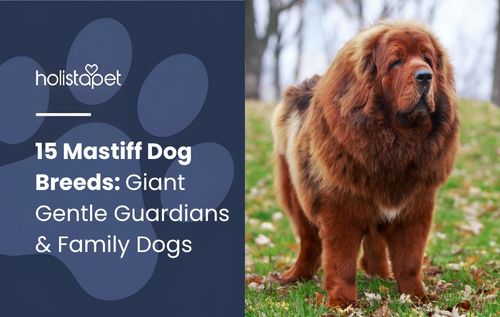
Mastiff dog breeds are large working dogs known for their protective instincts and affectionate behavior with their families. Despite their intimidating size, many mastiffs are gentle family companions that enjoy close bonding, calm environments, and steady routines.
These breeds include ancient guardians, working dogs, and livestock protectors from around the world. Readers interested in comparing similar working breeds can also explore additional dog breed traits.
What Are Mastiff Dog Breeds?

Mastiff dog breeds are large or giant working dogs originally bred for guarding, protection, hunting, and livestock defense. They are known for:
- Massive body size and strength
- Strong protective instincts
- Loyalty toward family
- Calm temperament indoors
- Low to moderate energy levels
Most mastiffs are classified as guardian or working breeds and require early training and socialization.
Are Mastiff Dogs Good Family Pets?
Yes, many mastiff breeds can be excellent family dogs when properly trained.
They are typically:
- Gentle with family members
- Protective but not aggressive without cause
- Calm indoors
- Emotionally bonded with owners
However, they require experienced handling due to their size, strength, and guarding instincts.
How Do I Know If a Mastiff is Right for Me?
A mastiff may fit well with owners who can handle large dogs, consistent training, and daily socialization. These large dogs are generally loyal and affectionate with their families when properly trained and socialized.
The American Kennel Club notes that Mastiffs thrive with gentle guidance and committed owners who understand the responsibility that comes with raising a powerful guard dog.
What are the Most Notable Mastiff Dog Breeds?
Some mastiff dog breeds stand out for their massive size, protective instincts, and loyal personalities. These ancient breeds come from different parts of the world, but most share strong guarding abilities and deep bonds with their family.
Dog owners researching other intelligent working dogs may also enjoy learning more about herding canines.
|
Breed |
Origin |
Main Role |
Average Weight |
Key Traits |
Coat Type |
|
English Mastiff |
England |
Guard Dog |
Up to 200 pounds |
Gentle, loyal, calm |
Short |
|
Great Dane |
Germany |
Hunting and Guarding |
Up to 175 pounds |
Friendly, elegant |
Short |
|
Tibetan Mastiff |
Tibet |
Livestock Guardian |
Up to 150 pounds |
Protective, independent |
Dense Coat |
|
Neapolitan Mastiff |
Italy |
Property Guardian |
Up to 150 pounds |
Loyal, watchful |
Short |
|
Bullmastiff |
England |
Estate Guard Dog |
Up to 130 pounds |
Protective, affectionate |
Short |
|
Spanish Mastiff |
Spain |
Livestock Protection |
Up to 220 pounds |
Calm, dependable |
Medium |
|
Boerboel |
South Africa |
Farm Guardian |
Up to 200 pounds |
Confident, loyal |
Short |
|
Cane Corso |
Italy |
Guard Dog |
Up to 120 pounds |
Intelligent, athletic |
Short |
|
Dogo Argentino |
Argentina |
Hunting Dog |
Up to 100 pounds |
Courageous, loyal |
Short |
|
Dogue de Bordeaux |
France |
Guarding and Hauling |
Up to 140 pounds |
Calm, affectionate |
Short |
|
Perro de Presa Canario |
Canary Islands |
Farm Work |
Up to 130 pounds |
Strong, protective |
Short |
|
Pyrenean Mastiff |
Spain |
Livestock Guardian |
Up to 180 pounds |
Gentle, patient |
Thick |
|
Tosa |
Japan |
Guarding |
Up to 200 pounds |
Quiet, brave |
Short |
|
Fila Brasileiro |
Brazil |
Farm Work |
Up to 180 pounds |
Protective, devoted |
Short |
|
Kangal |
Turkey |
Livestock Protection |
Up to 145 pounds |
Calm, dependable |
Short |

1. English Mastiff
The English Mastiff traces back to ancient England, where people used the breed in war and bull baiting. Today, this gentle giant ranks among the largest dog breeds and can weigh over 200 pounds. Despite the massive build, the English Mastiff stays calm, affectionate, and loyal around family members.
2. Great Dane
The Great Dane developed in Germany as a hunting and guard dog. Although not a traditional mastiff type, many people group this breed with other giant dogs because of its enormous size and protective nature. Great Danes combine elegance with a friendly personality that suits many families.
3. Tibetan Mastiff
The Tibetan Mastiff comes from the Himalayan region, where the breed helped protect livestock from predators. This ancient breed features a dense coat, strong independence, and natural wariness around strangers. Experienced dog owners often appreciate the breed’s intelligence and loyalty.
4. Neapolitan Mastiff
The Neapolitan Mastiff originated in southern Italy and became known for loose skin, heavy wrinkles, and strong guarding instincts. This Italian Mastiff served as a protector for homes and estates for centuries. The breed remains deeply loyal and affectionate with trusted owners.
5. Bullmastiff
The Bullmastiff emerged in England during the 1800s to help gamekeepers stop poachers. Breeders crossed the Old English Mastiff with the Bulldog to create a powerful yet controlled guard dog. Bullmastiffs stay confident, protective, and surprisingly gentle with family.
6. Spanish Mastiff
The Spanish Mastiff developed in rural Spain to protect livestock from wolves and other predators. This massive breed carries a calm temperament and strong protective instincts. Many farmers still rely on these dogs to guard flocks across the countryside.
7. Boerboel (South African Mastiff)
The Boerboel comes from South Africa, where settlers bred these powerful dogs to guard farms and homes. This mastiff breed combines strength, confidence, and loyalty. Early socialization and consistent training help Boerboels become stable family pets.
8. Cane Corso
The Cane Corso descends from Roman war dogs and remains one of the most recognizable mastiff breeds today. This Italian Mastiff excels as a guard dog thanks to its intelligence and athletic build. Proper training and mental stimulation help the breed thrive in active homes.
9. Dogo Argentino
The Dogo Argentino originated in Argentina as a hunting dog capable of tracking large game. The breed combines muscular strength with loyalty and affection toward family. Owners value the Dogo Argentino for courage, endurance, and protective instincts.
10. Dogue de Bordeaux (French Mastiff)
The Dogue de Bordeaux, also called the French Mastiff, comes from France and carries one of the largest heads in the dog world. This breed once worked as a guardian, cart puller, and hunting companion. Today, many owners love the breed’s calm and affectionate nature.
11. Perro de Presa Canario
The Perro de Presa Canario developed in the Canary Islands as a working farm dog. People originally used the breed for guarding livestock and handling cattle. Strong leadership and extensive socialization help these large dogs become reliable companions.
12. Pyrenean Mastiff
The Pyrenean Mastiff originated in the Pyrenees Mountains of Spain, where the breed protected sheep during long migrations. This gentle giant carries a calm personality and strong protective instincts. Families often appreciate the breed’s patient behavior around older children.
13. Tosa
The Tosa, also called the Japanese Mastiff, originated in Japan during the 1800s. Breeders developed the breed for dog fighting, which shaped its strength and courage. Modern Tosas stay quiet, loyal, and reserved with strangers when owners provide proper socialization.
14. Fila Brasileiro
The Fila Brasileiro comes from Brazil and developed as a working dog for farms and tracking. This mastiff breed shows intense loyalty toward owners and strong protective instincts. Experienced dog owners usually handle the breed best because of its dominant personality.
15. Kangal
The Kangal originated in Turkey and became famous for protecting livestock against large predators. This powerful guardian breed combines speed, intelligence, and calm confidence. The Kangal is widely recognized for its loyalty and dependable guarding instincts.
Learn more about Dogue de Bordeaux: A Powerful & Loyal Mastiff Breed here.
Do Mastiff Breeds Have Health Issues?
Yes, mastiff breeds often face health concerns linked to their great size and heavy weight. Giant dogs like the English Mastiff and Neapolitan Mastiff commonly experience joint strain and shorter life expectancy compared to other breeds.
Common health issues include:
- Hip dysplasia
- Bloat
- Heart disease
- Elbow problems
- Mobility issues
Responsible breeders may help reduce the risk of inherited health issues through health screening and careful breeding practices. Proper nutrition, weight management, and regular veterinary care may help support overall health and well-being in large breeds.
How Do I Care for Mastiff Dog Breeds?

Caring for mastiff dog breeds takes consistency, space, and attention to their physical health. These giant dogs thrive with proper training, balanced nutrition, and daily routines that support their joints and mental well-being.
Focus on Early Training and Socialization
Mastiff puppies grow into powerful large dogs, so early training matters. Consistent boundaries and extensive socialization help reduce fear-based behavior around strangers and other dogs.
- Start socialization during puppyhood
- Use calm and consistent training methods
- Introduce new people and environments gradually
- Provide mental stimulation every day
The American Veterinary Society of Animal Behavior states that early socialization lowers the risk of behavioral problems later in life.
Support Joint and Mobility Health
Many mastiff breeds carry heavy weight that strains joints over time. Controlled exercise and healthy weight management help support mobility and long-term comfort.
- Avoid overexercising young puppies
- Use low-impact walks instead of intense running
- Monitor weight closely
- Schedule regular veterinary visits
Caring for mastiff breeds involves consistent training, proper nutrition, and attention to joint and mobility needs. Supportive routines and veterinary guidance may help maintain comfort and quality of life in these large dogs.
Giant dog breeds may benefit from supportive care for mobility and joint comfort as they age. Ingredients such as glucosamine, turmeric, and Boswellia are commonly included in supplements designed to support joint health and mobility in large breeds. Always consult a veterinarian before introducing any new supplement into a dog’s routine.
Some owners also explore supportive wellness products such as premium CBD oil for dogs to help maintain comfort and mobility in giant breeds.
Large breeds with active lifestyles may also benefit from supplements and nutritional products like dog multivitamin soft chews as part of a balanced wellness routine.
Maintain a Healthy Diet
Mastiffs need balanced meals that support muscle growth without causing unhealthy weight gain. Large breed formulas often work best for these dogs.
- Feed portion controlled meals
- Choose food made for large breeds
- Avoid excessive treats
- Keep fresh water available at all times
Digestive health also plays an important role in nutrient absorption, which is why some owners include dog probiotics in daily feeding routines.
Keep Grooming Simple but Consistent
Most mastiff breeds have short coats that require basic grooming, though some dogs like the Tibetan Mastiff carry a dense coat that sheds heavily.
- Brush weekly to remove loose fur
- Clean the ears regularly
- Wipe the muzzle and facial folds when needed
- Trim nails consistently
Reward-based grooming routines may become easier with occasional training rewards such as hemp dog treats.
Do Mastiff Dogs Need Experienced Owners?
Yes, many mastiff breeds are better suited for experienced dog owners because of:
- Their size and strength
- Protective instincts
- Training consistency needs
First-time owners may find them challenging without guidance.
Frequently Asked Questions
What is the calmest mastiff breed?
The English Mastiff and Dogue de Bordeaux are among the calmest mastiff breeds.
Which mastiff is best for families?
Bullmastiffs and English Mastiffs are often considered the most family-friendly.
Are mastiffs aggressive?
No, mastiffs are not naturally aggressive. They are protective but typically calm and stable when well-trained.
Do mastiffs bark a lot?
Most mastiffs are moderate barkers and tend to stay quiet unless they sense a threat.
How long do mastiffs live?
Most mastiff breeds have a lifespan of 6–12 years depending on health and size.
Families comparing large active breeds may also wonder should you get a husky puppy before choosing a giant guardian breed.






Leave a comment
All comments are moderated before being published.
This site is protected by hCaptcha and the hCaptcha Privacy Policy and Terms of Service apply.