


Shepherd dogs combine intelligence, loyalty, and a strong work drive. Farmers and families rely on these breeds to guide livestock, protect property, and respond to commands with focus. The following shepherd dog breeds stand out for reliability and consistent performance in demanding roles.
What are Shepherd Dog Breeds?

Shepherd dog breeds assist humans with managing and protecting livestock. These dogs guide sheep, cattle, and other animals with sharp instincts, quick decisions, and strong obedience.
Why Are There ‘Shepherd’ Dogs That Aren’t Herding Dogs?
Some breeds carry the name shepherd because people originally used them to guard livestock or assist shepherds, not to herd animals directly. These dogs protected flocks from predators, watched over property, and supported farm work.
The name stayed over time, even as many of these breeds moved into roles as guard dogs, service animals, or companions.
What are the Unique Characteristics of Shepherd Dog Breeds?
Shepherd dog breeds share traits that help them manage livestock and respond quickly to human direction.
-
High intelligence: Learns commands quickly and solves problems during work.
-
Strong work drive: Stays motivated during long tasks and active routines.
-
Alert awareness: Notices movement, sounds, and changes in the environment.
-
Trainability: Responds well to structured training and clear commands.
-
Protective instinct: Guards livestock, property, or family members.
-
Endurance: Handles long hours of movement and outdoor activity.
- Loyal temperament: Forms strong bonds with handlers and families.
Top 13 Shepherd Dog Breeds
|
Breed |
Origin |
Primary Role |
Key Strength |
Main Challenge |
|
German Shepherd |
Germany |
Herding and service work |
Intelligence and versatility |
Needs heavy exercise |
|
Australian Shepherd |
United States |
Livestock herding |
Agility and energy |
High activity demand |
|
Belgian Malinois |
Belgium |
Protection and police work |
Extreme trainability |
Requires expert handling |
|
Border Collie |
United Kingdom |
Sheep herding |
Exceptional intelligence |
Needs constant stimulation |
|
Anatolian Shepherd |
Turkey |
Livestock guardian |
Strong protection instinct |
Independent behavior |
|
Dutch Shepherd |
Netherlands |
Farm work and service roles |
Adaptability |
Requires regular training |
|
Caucasian Shepherd |
Caucasus region |
Livestock protection |
Powerful guardian instinct |
Difficult for beginners |
|
Shiloh Shepherd |
United States |
Companion and service work |
Gentle temperament |
Needs space and exercise |
|
White Swiss Shepherd |
Switzerland |
Companion and working dog |
Friendly and trainable |
Requires mental stimulation |
|
Central Asian Shepherd |
Central Asia |
Livestock guardian |
Strength and resilience |
Territorial behavior |
|
Old English Sheepdog |
England |
Herding and droving |
Loyal and social |
Heavy grooming needs |
|
Shetland Sheepdog |
Scotland |
Small livestock herding |
Intelligence and responsiveness |
Sensitive temperament |
|
Beauceron |
France |
Herding and guarding |
Confidence and discipline |
Requires firm leadership |
1. German Shepherd

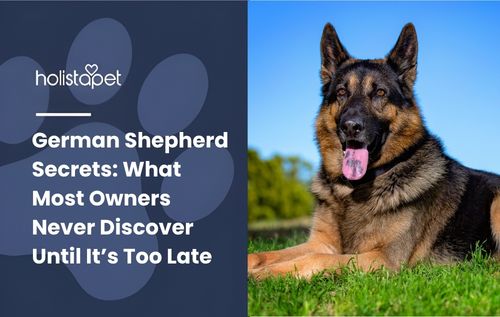
German breeders developed the German Shepherd in the late nineteenth century to herd and guard sheep. The breed quickly gained recognition for intelligence and trainability. Police units, military teams, and search groups rely on this dog for complex tasks.
The breed shows loyalty, courage, and focus. The dog requires daily exercise and structured training. Limited activity often leads to destructive behavior.
2. Australian Shepherd
Ranchers in the United States refined the Australian Shepherd for livestock work. The breed excels at herding cattle and sheep through speed and quick thinking. Owners value its energy, agility, and strong bond with handlers.
The dog thrives in active homes that offer mental challenges. Limited exercise often leads to restlessness and behavioral issues.
3. Belgian Malinois

The Belgian Malinois, developed in Belgium as a capable herding dog. Trainers soon recognized its sharp intelligence and intense drive. Military and law enforcement teams favor this breed for protection, detection, and tactical roles.
The dog learns commands quickly and performs demanding tasks with precision. High energy levels require experienced handlers and constant activity.
4. Border Collie

Farmers along the border of England and Scotland shaped the Border Collie into one of the most skilled herding dogs. The breed uses strong eye contact and precise movement to control livestock.
Exceptional intelligence allows the dog to learn complex commands quickly. Many owners admire its agility and problem solving ability. The breed struggles in homes that lack mental stimulation or daily exercise.
5. Anatolian Shepherd

Farmers in Turkey relied on the Anatolian Shepherd to protect flocks from wolves and large predators. The breed shows independence, strength, and strong territorial awareness. This dog patrols wide areas and reacts quickly to threats.
The Anatolian Shepherd forms a loyal bond with its family but shows caution toward strangers. Early socialization and firm leadership remain essential.
6. Dutch Shepherd

The Dutch Shepherd originated in the Netherlands as a versatile farm dog. Farmers used the breed to herd sheep, guard property, and pull carts. Strong intelligence and adaptability allow the dog to succeed in police work and obedience training.
The breed stays active, loyal, and eager to work. Without consistent training and exercise, the dog may develop stubborn behavior.
7. Caucasian Shepherd

The Caucasian Shepherd developed in the Caucasus Mountains to guard livestock from predators such as wolves and bears. The breed carries immense strength and a fearless temperament. Owners value its protective instinct and devotion to family.
The dog requires confident handling and early training. Inexperienced owners often struggle with the breed's size and strong guarding behavior.
8. Shiloh Shepherd

Breeders in the United States developed the Shiloh Shepherd during the twentieth century to create a larger and calmer version of the German Shepherd. The breed shows intelligence, loyalty, and a gentle temperament.
Many families choose this dog for companionship and service work. The dog still requires regular exercise and training to stay balanced and healthy.
9. White Swiss Shepherd

The White Swiss Shepherd traces its roots to white coated German Shepherd lines. Swiss breeders refined the breed and established it as a distinct type. The dog shows intelligence, friendliness, and strong trainability.
Families often appreciate its calm demeanor and social personality. The breed still requires mental stimulation and daily activity to stay content.
10. Central Asian Shepherd

The Central Asian Shepherd served as a livestock guardian across Central Asia for thousands of years. Nomadic communities relied on the breed to defend animals from predators.
The dog carries immense strength, independence, and protective instincts. Strong leadership and early socialization help manage its territorial nature. The breed suits experienced owners who understand guardian dogs.
11. Old English Sheepdog

The Old English Sheepdog developed in England as a drover and herding dog. Farmers used the breed to move cattle and sheep across long distances. The dog shows intelligence, playfulness, and strong family loyalty.
Its thick coat requires regular grooming to prevent matting. The breed thrives in homes that provide daily activity and attention.
12. Shetland Sheepdog

The Shetland Sheepdog comes from the Shetland Islands of Scotland. Farmers relied on this smaller herding dog to manage sheep and poultry. The breed shows intelligence, alertness, and strong responsiveness to training.
Owners appreciate its affectionate nature and lively personality. The dog often reacts strongly to noise and requires early socialization.
13. Beauceron

The Beauceron developed in France as a powerful herding and guarding dog. Farmers trusted the breed to control livestock and protect farms. The dog shows confidence, intelligence, and strong loyalty.
Trainers value its discipline and ability to perform complex tasks. Consistent leadership and training help manage its dominant tendencies.
Are Shepherd Dogs Good Family Companions?
Yes. Shepherd dogs can become loyal and dependable companions in the right home. These intelligent dogs form strong bonds with family members and often stay alert to their surroundings. Many shepherd breeds also show natural guarding behavior, which helps them watch over the household.
Families with an active lifestyle often match the needs of herding dogs. Daily exercise, mental stimulation, and structured routines keep them balanced and focused. Without enough physical and mental stimulation, shepherd dogs may grow restless and develop unwanted behaviors.
Why many families choose shepherd dogs
-
Loyal temperament: Builds strong bonds with family members.
-
High intelligence: Learns commands and routines quickly.
-
Protective nature: Stays alert and guards the home.
- Trainable personality: Responds well to clear leadership.
Important factors to consider
-
High activity needs: Requires daily exercise and engagement.
-
Mental stimulation demand: Needs training or problem solving tasks.
-
Herding instincts: Some breeds try to control movement of children or pets.
- Early socialization: Helps shape calm and balanced behavior.
What are the Common Health Concerns for Shepherd Dogs?
Shepherd dog breeds often face several inherited and structural health issues due to size, genetics, and active lifestyles.
-
Hip dysplasia: Abnormal hip joint development that causes pain and mobility problems.
-
Elbow dysplasia: Joint deformity that leads to stiffness and lameness.
-
Degenerative myelopathy: Progressive spinal disease that affects hind leg movement.
-
Bloat or gastric torsion: Life-threatening stomach twisting common in large deep chested breeds.
-
Eye disorders: Conditions such as progressive retinal atrophy that affect vision.
-
Allergies: Skin irritation triggered by food, environment, or parasites.
- Joint strain: Wear on joints caused by high activity and large body size.
What Are Some Care and Training Tips for Shepherd Dog Breeds?

Shepherd dogs thrive with structured care, consistent training, and regular activity.
Provide Daily Exercise
Shepherd dogs carry high energy and strong work instincts. Regular physical activity keeps them balanced and prevents destructive habits.
-
Long walks or runs
-
Herding style games or fetch
- Agility or obedience training
Focus on Early Training
Early guidance shapes behavior and builds discipline. Consistent commands help these intelligent dogs learn quickly.
-
Start basic obedience at a young age
-
Use clear commands and routines
- Reward correct behavior consistently
Offer Mental Stimulation
These breeds need mental challenges to stay engaged. Tasks and training sessions prevent boredom.
-
Puzzle toys or scent games
-
Advanced obedience tasks
- Skill based activities
Maintain Regular Grooming
Many shepherd breeds carry thick coats that require routine care to keep skin and fur healthy.
-
Brush several times each week
-
Check ears and trim nails regularly
- Bathe when necessary
Prioritize Health Care
Routine health care helps maintain strength and mobility throughout life.
-
Schedule regular veterinary visits
-
Provide balanced nutrition
- Monitor joint health and weight
How Do I Manage a Shepherd Dog’s Diet?
A balanced diet supports energy, joint health, and overall condition in shepherd dog breeds. Proper portions and nutrient rich food help maintain strength and prevent weight related problems.
-
High quality protein: Supports muscle strength and active lifestyles.
-
Balanced fats: Provides steady energy and supports skin and coat health.
-
Joint supporting nutrients: Glucosamine and chondroitin help maintain mobility in large active breeds.
-
Controlled portions: Prevents obesity that can strain joints and hips.
-
Omega fatty acids: Promotes healthy skin, coat condition, and inflammation control.
-
CBD supplements: Helps support calm behavior, joint comfort, and overall wellness. Some owners include CBD products from HolistaPet as part of a balanced routine.
- Consistent feeding schedule: Supports digestion and stable energy levels throughout the day.
Final Thoughts
Shepherd dog breeds show strong intelligence, loyalty, and work drive. With proper training, exercise, and care, these dogs perform demanding tasks and also thrive as dependable companions for active households.
Frequently Asked Questions
How much exercise do shepherd dog breeds need?
Most shepherd dog breeds need one to two hours of daily exercise. These active dogs benefit from running, herding activities, and obedience training that challenge both body and mind. Regular physical and mental stimulation supports their work ethic and keeps intelligent dogs balanced.
Do shepherd dogs get along with other pets?
Many shepherd breeds live well with other pets when proper training starts at a young age. Early exposure helps shepherd dogs develop calm behavior around other animals. Consistent training and positive reinforcement encourage safe interactions with other dogs, cats, and even livestock.
Are shepherd dogs suitable for apartment living?
Some herding breeds can adapt to smaller spaces with enough daily exercise and mental stimulation. Many large dog types such as the german shepherd dog or belgian malinois thrive better in homes that support an active lifestyle. Limited space can lead to frustration if energy levels remain unmet.
At what age should training start for a shepherd dog?
Training should begin at a young age, often around eight weeks. Early obedience training builds structure and supports their natural herding instinct. Shepherds respond well to consistent training and clear guidance, which helps shape behavior as they grow.
How long do shepherd dog breeds usually live?
Most shepherd breeds live between ten and fourteen years. Lifespan varies based on genetics, daily exercise, diet, and overall care. Regular veterinary checkups help maintain health and allow these beloved companions to stay active for years.









Leave a comment
All comments are moderated before being published.
This site is protected by hCaptcha and the hCaptcha Privacy Policy and Terms of Service apply.