

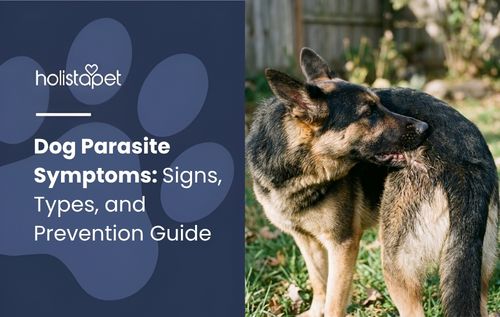
Dog parasite symptoms may appear in subtle or noticeable ways, including changes in behavior, appetite, digestion, or physical condition. For a broader look at keeping your pet healthy, visit our guide on caring for your dog.
Early recognition may help support timely veterinary care and maintain your dog’s comfort and well-being.
Why Recognizing Signs of Parasites in Dogs Matters

Early identification of parasites may help reduce the risk of complications. In some cases, dogs may appear normal at first while subtle changes begin to develop internally or externally.
Parasites may lead to discomfort, digestive issues, or reduced energy if not treated.
What Types of Parasites Can Dogs Have?
Parasites in dogs are generally grouped into two categories: internal parasites and external parasites. Each type may affect dogs differently depending on where they live in the body.
Internal Parasites
Dogs face several internal parasites that target their intestinal tract, blood, or organs. These tiny invaders bring a range of issues that can lead to discomfort or worse if not caught early.
- Roundworms. Often seen in puppies and spread through contaminated soil.
- Hookworms. It attaches to the intestinal wall and may cause bloody diarrhea.
- Tapeworms. Passed on through infected fleas and is visible as tapeworm segments in the stool.
- Whipworms. Found in the large intestine, whipworms can cause whipworm infections.
- Giardia. Single-celled parasites that trigger gastrointestinal upset and queasiness.
- Coccidia. Another dog parasite that can lead to poor growth.
- Heartworms. Spread through mosquito bites and can lead to heartworm disease if left untreated.
External Parasites
External parasites live on the skin, fur, or ears. They can cause itching, irritation, and bigger risks if ignored. They spread easily between other canines, small mammals, and even humans in some cases.
- Fleas. Spread tapeworm infections and cause scooting or scratching.
- Ticks. Carry serious risks like Lyme disease.
- Ear Mites. Tiny pests that cause ear scratching and head shaking.
- Mange Mites (Sarcoptes). Lead to rashes and skin irritation.
- Demodex Mites. Trigger breakouts and skin redness.
- Lice. Cause itching and poor coat condition in adult canines.
Common Symptoms of Dog Parasites
Dog parasites may cause a variety of symptoms depending on the type and severity of infection. These signs may appear individually or together.
- Digestive upset (vomiting or diarrhea)
- Weight loss or reduced appetite
- Dull or rough coat condition
- Excessive scratching or skin irritation
- Scooting or dragging the rear
- Swollen or distended abdomen
- Low energy or fatigue
- Coughing (in some cases, such as heartworms)
- Pale gums (possible sign of anemia)
How To Tell If a Dog Has Parasites at Home
Careful observation of behavior, appetite, and physical condition may help pet owners identify possible parasite concerns. Changes in stool, skin condition, or energy levels can provide useful clues.
If anything unusual is noticed, consulting a qualified veterinarian is recommended for proper testing and guidance.
Behavioral Changes That May Signal Parasites

Some dogs may show noticeable behavior changes when affected by parasites. These may include:
- Restlessness or difficulty settling in some cases, pet owners look into dog melatonin soft chews to help support calmer rest routines during periods of discomfort.
- Scooting or licking around the rear area
- Reduced interest in play or exercise
- Increased scratching or discomfort
- Changes in sleep patterns
These changes may indicate discomfort and should be monitored closely. If restlessness is a recurring concern, learning how much melatonin can i give my dog may offer helpful context for supporting nighttime comfort.
Physical Signs of Parasites in Dogs
A physical check may also reveal potential signs of parasites:
- Skin redness, irritation, or rashes
- Ear debris or frequent ear scratching
- Visible worms or segments in stool
- Dull or thinning coat
- Abdominal swelling in some cases
If these signs are observed, veterinary evaluation is recommended.
At-Home Parasite Test Kits for Pets
Home parasite test kits allow pet owners to collect samples (usually stool) and send them to a laboratory for analysis. These kits may help detect some common intestinal parasites such as roundworms, hookworms, or Giardia.
However, they may not detect all parasite types, especially those affecting the bloodstream or less common infections. Veterinary testing remains the most reliable option for accurate diagnosis and treatment guidance.
When To See a Veterinarian for Possible Parasites

Some symptoms may require prompt veterinary attention, including:
- Persistent or bloody diarrhea
- Noticeable worms in stool
- Severe weakness or lethargy
- Signs of anemia (such as pale gums)
A veterinarian may perform diagnostic tests, such as microscopic stool examination or blood tests, to identify the specific parasite and recommend appropriate care.
Even mild symptoms may sometimes indicate underlying health concerns, so early consultation may be beneficial.
Supportive Remedies for Parasite Prevention
While parasites cannot always be fully prevented, certain routine care practices may help reduce risk and support overall health.
Regular Grooming and Bathing
Regular grooming may help remove fleas, ticks, and debris before they spread. Gentle bathing routines may also support skin cleanliness and comfort. Consistent grooming makes it easier to notice early changes in the coat or skin.
Clean Water and Balanced Nutrition
Fresh, filtered water lowers the chance of dogs picking up parasites from contaminated sources. Feeding high-quality food and avoiding raw or spoiled meat helps reduce exposure to harmful organisms. Safe hydration and clean meals form the foundation of parasite prevention.
Flea and Tick Prevention
Since fleas and ticks carry many parasites, prevention is key. Natural sprays with cedar oil or lemongrass can repel pests without harsh chemicals. Consistent checks after walks or outdoor play also help prevent infestations from spreading.
Gut Health Support for Dogs
A balanced gut environment may support normal digestive function and overall wellness in dogs. Some supplements formulated with probiotics are designed to help maintain healthy gut flora, which plays a role in digestion and nutrient absorption and options like hemp-infused dog treats are commonly included in daily wellness routines.
Ingredients such as fiber sources (for example, pumpkin or sweet potato) are often included in dog supplements to help support normal bowel function and digestive regularity.
An all-in-one vitamin for dogs may also help fill nutritional gaps that support overall digestive and immune health.
Probiotics are commonly used as part of general wellness routines to help maintain digestive balance and support normal immune system function; some pet owners also explore dog CBD oil as part of a broader daily wellness approach. However, results may vary depending on the individual dog and its overall health status.
If a dog is showing signs of parasites or persistent digestive issues, it is important to consult a licensed veterinarian for proper evaluation, diagnosis, and treatment. Supplements are not intended to diagnose, treat, or cure parasitic infections or any medical condition.
Maintaining a Clean Living Environment
Keeping your dog’s environment clean may help reduce exposure to parasite eggs or larvae. This includes:
- Regular vacuuming of floors and carpets
- Washing pet bedding frequently
- Cleaning play areas and surfaces
A clean environment may help reduce reinfestation risk and support overall pet hygiene. If your dog is newly adopted or still adjusting to a routine, resources on crate training a rescue dog may also help establish healthy habits that support a clean, structured living space.
Final Thoughts on Signs of Parasites In Dogs
Dog parasite symptoms may vary, but early recognition is important for supporting your pet’s health and comfort. Common signs include digestive changes, skin irritation, weight loss, and behavior shifts.
With proper care, regular observation, and veterinary support when needed, pet owners may help reduce risks and support their dog’s overall well-being.
FAQs About Dog Parasite Symptoms
What are the most common dog parasite symptoms?
Common symptoms may include diarrhea, vomiting, weight loss, dull coat, scooting, low energy, and skin irritation.
How do intestinal parasites affect dogs?
They may affect digestion, nutrient absorption, and overall health, potentially leading to discomfort or weakness.
Peer-reviewed research such as PubMed: Pharmacokinetics, Safety, and Clinical Efficacy of CBD in Dogs continues to explore how various supplements may support dogs during health challenges.
How do dogs get intestinal worms?
Dogs may be exposed through contaminated soil, feces, infected fleas, or raw or unsafe food sources.
Can adult dogs get parasites too?
Yes. Adult dogs may also be affected depending on exposure and environmental conditions.
What are signs of hookworm infections in dogs?
Signs may include weakness, pale gums, diarrhea, and possible blood loss.
What are signs of roundworm infections?
Symptoms may include bloating, vomiting, poor growth, or visible worms in stool. For broader context on safe supplementation during recovery, the AKC: CBD Oil for Dogs — What You Need to Know offers a helpful overview from a trusted authority.








Leave a comment
All comments are moderated before being published.
This site is protected by hCaptcha and the hCaptcha Privacy Policy and Terms of Service apply.