Learn

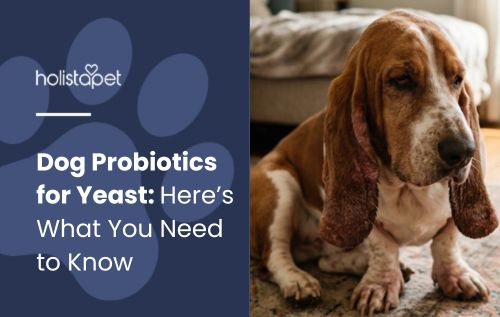
Dog Probiotics for Yeast Guide: Promote Support From Within

A pug lying down on a carpet with a human holding its paw and the title "Dog probiotics for yeast".
Shop Dog Solutions →

Yeast got your pup feelin' funky? From stinky paws to nonstop scratching, this problem can throw off your furry sidekick's vibe.


Thankfully, dog probiotics for yeast problems exist. These tiny but mighty gut-boosters work behind the scenes to fight off the gunk and help restore harmony in your dog's belly and beyond. Watch them go back to wagging, snoozing, and living their best life without the itch.


What Causes Yeast Issues in Dogs?

Yeast thrives when things get out of balance. A little yeast is normal in your dog's body, but when it starts to grow wild, that's when the itching, redness, and funky smells kick in. Here's what's stirring up trouble in your pup's system:


  • Imbalanced Diet. Too many carbs or sugars in dog food can fuel yeast growth.
  • Disruption of Gut Flora. Antibiotics, steroids, and immune-suppressing meds can wipe out good bacteria.
  • Underlying Health Conditions. Diabetes, low thyroid function, and a weak immune system can cause yeast flare-ups.
  • Environmental Factors. Warm, damp spots—like ears, folds, or paws—are yeast's favorite hangouts.
  • Allergies. Sensitivities to food or things like pollen and dust can trigger yeast problems.
  • Poor Grooming or Hygiene. Dirt and oils can build up fast. If it's not cleaned regularly, yeast throws a party.


Common Symptoms of Yeast Overgrowth

When yeast takes over, your pup will let you know through smells, scratching, and some weird skin stuff. Here's what to keep an eye (and nose) out for:


  • Constant Itching. Scratching, licking, or chewing, especially at the paws, ears, and belly.
  • Foul Odor. A strong, musty, or sour smell that won't go away with baths.
  • Red or Inflamed Skin. Patches of redness, puffiness, or tender spots that look irritated.
  • Hair Loss. Thinning fur or bald spots in areas where yeast is active.
  • Ear Infections. Head shaking, dark discharge, and ears that smell foul.
  • Thickened or Discolored Skin. Skin that looks dark, leathery, or crusty, especially in folds or creases.


Breeds More Prone to Yeast Infections

Because of genetics, skin folds, and floppy ears, certain breeds are more likely to deal with yeast flare-ups. Shar-Peis and Bulldogs have deep skin folds that trap moisture. Cocker Spaniels, Basset Hounds, and Golden Retrievers are notorious for frequent ear issues. Even Poodles and German Shepherds can struggle, thanks to sensitive skin and allergy tendencies.


The Role of Diet and Gut Imbalance

Yeast feeds on sugar, and guess what? Many commercial dog foods are high in carbs, which break down into simple sugars during digestion. This kind of poor diet can throw your pup's gut out of whack, letting yeast party like there's no tomorrow.


When the gut microbiome loses its good bacteria, harmful yeast can grow wild. Toss in food allergies or a weak immune system, and you've got a recipe for nonstop scratching. Fix the gut, and you start fixing everything else.


How Probiotics Can Help With Yeast in Dogs

Probiotics are good bacteria that work hard to balance the gut and keep yeast populations in check. When your dog takes a probiotic aid, it fills the gut with beneficial bacteria that crowd out yeast and help with digestion. This also makes it easier for your pup's immune system to bounce back and feel good again.


Restoring Gut Flora and Supporting Digestion

When your dog's gut flora gets wiped out by antibiotics or a poor diet, yeast steps in and takes over. That's where probiotic strains come in to rebuild and restore. These natural remedies add the right kind of beneficial bacteria back into your dog's system. They help support smoother digestion, reduce digestive discomfort, and keep things moving the waythey should.


Fighting off Bad Bacteria and Fungal Overgrowth

When bad bacteria and fungal overgrowth start causing chaos, probiotics step in like the cleanup crew. They help reduce yeast by crowding it out and making the gut less welcoming for the bad guys. Some strains even produce lactic acid, which makes the whole environment a tough spot for yeast to thrive. That means fewer flare-ups, fewer smells, and less itching.


Strengthening the Immune System Naturally

A compromised immune function gives yeast more room to grow. Probiotics help by supporting a healthy gut microbiome, which is deeply connected to your pup's overall immune health. Good bacteria help train your dog's system to fight smarter, which leads to less overreacting to allergens and more control over yeast growth. With daily probiotics, your dog gets a gentle, steady boost to their natural defenses.


Choosing the Right Dog Probiotics for Yeast Problems

If your dog's battling yeast, you'll want strains that target gut health and support natural balance. Also, look for formulas made just for canines, not human supplements dressed up as pet products.


And avoid anything with artificial sweeteners or junk fillers that could make yeast problems worse. Lastly, check the label. The right blend should offer multiple probiotic strains, a decent CFU count, and maybe even some tummy-friendly extras like pumpkin or sweet potato.


What Strains To Look for (e.g., Lactobacillus, Bifidobacterium)

Lactobacillus acidophilus is a fan favorite, as it supports digestion and helps reduce yeast growth. Other helpful strains are L. plantarum and L. rhamnosus, which help calm tummy troubles and crowd out harmful bacteria. Bifidobacterium bifidum boosts the gut and may help with itchy skin.


Look for a mix of strains that tackle multiple issues, not just one. Diversity in the system means better balance for your pup.


Ingredients That May Make Yeast Worse

Yeast loves sugars and carbs. They feed the fire and make yeast overgrowth harder to manage. Even sweeteners like molasses and corn syrup can cause flare-ups.


Watch out for starchy fillers like potatoes, rice, and wheat, especially in low-quality kibble. They break down into sugars that yeast gobbles up. Artificial flavors, dyes, and preservatives don't help either, as they can mess with your dog's gut microbiome.


Probiotics vs Antifungal Medications

Antifungal medications aim to kill yeast fast, but they can wipe out good bacteria, too. That might offer short-term relief, but it can leave your pet's system off balance in the long run.


Probiotics work with your dog's body instead of against it. They support digestion, promote natural balance, and help prevent flare-ups before they start. For ongoing care, probiotics offer a gentle, daily way to support your canine companion without the harsh side effects some meds bring.


Why HolistaPet's Probiotics Are a Great Choice

HolistaPet's probiotic soft chews.

HolistaPet's Probiotics for Dogs brings serious support without any fluff. Each soft chew offers 3 billion CFUs (colony-forming units) and a blend of 9 powerful strains that help boost digestive health and manage yeast issues from the inside out.


These tasty bites support smoother digestion, soothe itchy skin, and help balance your pup's gut. And with pumpkin and sweet potato in the mix, they're a treat your furry snacker will look forward to.


Made With Beneficial Bacteria to Balance Yeast

Each HolistaPet chew brings a powerful mix of beneficial bacteria that help manage yeast overgrowth and bring the gut back to balance. The lineup includes stars like Lactobacillus acidophilus, which supports digestion and helps fight off harmful yeast. You'll also find L. rhamnosus, great for boosting immune support, and Bifidobacterium bifidum, which promotes a healthy gut microbiome. With nine total strains working together, our chews bring full-body support in every bite. 


Includes Pumpkin and Sweet Potato

Pumpkin and sweet potato support smoother digestion and help keep your dog's system regular. Plus, they're gentle on sensitive bellies dealing with digestive discomfort or yeast problems. Both are rich in fiber, which helps move things along in the digestive tract and supports the growth of good bacteria. When paired with probiotics, they make a solid team for managing fungal overgrowth and keeping things balanced.


Natural Ingredients With No Artificial Fillers or Additives

HolistaPet's Probiotic Chews use no artificial fillers, no weird dyes, and zero artificial sweeteners. With stuff like chickpea flour, pumpkin, and flax oil, each chew offers clean, honest support. The added rosemary extract and apple cider vinegar are a welcome bonus. These chews are proof you don't need fake flavors or harsh chemicals to keep your dog's belly happy and balanced.


How To Use Dog Probiotics for Yeast Infections

Just give your pup their probiotic soft chew daily with food, and you're good to go. Start slow if your dog's new to probiotics, then stick to a steady routine. Consistency is important for managing yeast overgrowth and supporting healthy digestion. Over time, you'll notice fewer flare-ups, less scratching, and a lot more tail wagging.


Dosage Tips Based on Size and Condition

With HolistaPet's Probiotic Chews, the rule is simple: Give once daily or as needed, based on your dog's size. Tiny pups under 20 lbs = 1 chew. Mid-sized dogs 20–50 lbs = 2 chews. Big buddies over 50 lbs = 3 chews.


You can adjust if needed, with your vet's approval, especially during tougher yeast flare-ups. Always keep it consistent and pair it with a solid diet. Probiotics work best when they're part of your pet's everyday routine.


Can You Use Probiotics Daily or Long-Term?

Absolutely! Daily probiotics are a simple way to support your pet's gut health and help manage yeast issues before they get out of hand. Long-term use is generally safe and actually more effective than starting and stopping. It keeps your dog'sgut microbiome balanced, their immune function supported, and digestive issues in check.


How Else Can You Help Yeast Problems in Dogs?

Aside from probiotics, nutrition, hygiene, and environment all play a role in solving yeast problems. Anti-yeast diets, regular baths, and dry ears are essential. Add in natural helpers like coconut oil and apple cider vinegar, and you've got a well-rounded plan to keep yeast under control.


Probiotics are a big help, sure, but they're even better with a solid support team. Tackling yeast problems from different angles gives your furry friend a better shot at feeling comfy and clean.


Switch to an Anti-Yeast Diet (Grain-Free and Low-Sugar Options)

Switching to a grain-free, low-carb diet can make a huge difference in keeping yeast populations under control. Look for dog food with clean protein, low starch, and zero added sugars. Avoid common carb-heavy fillers like corn, wheat, and white potatoes. An anti-yeast diet supports a healthy gut microbiome and gives those probiotics a better chance to do their thing.


Bathe Regularly With Anti-Fungal or Medicated Shampoos

Using the right shampoo can help wash away yeast buildup, reduce itchy skin, and calm down flare-ups on the surface. Choose a gentle medicated or anti-fungal shampoo that's made for dogs. Focus on yeast-prone areas like paws, folds, and ears. Regular baths—once a week or as needed—can break the cycle and give your pup a cleaner, more comfortable coat.


Use Coconut Oil or Apple Cider Vinegar Topically (With Vet Guidance)

Coconut oil soothes the skin and may fight fungal infections, while diluted apple cider vinegar can help with itching and reduce that pungent smell yeast tends to bring. Just don't go DIY without checking with your vet first. Some dogs may be sensitive, especially if the skin is raw or irritated. But when used safely, these remedies can be a great addition to your pup's natural balance routine.


Keep Ears Clean and Dry To Prevent Moisture Buildup

Floppy-eared breeds especially need regular checks to keep moisture from building up and giving yeast a place to grow. Use a vet-approved ear cleaner and gently wipe out debris after baths or swims. Avoid over-cleaning, though, as going overboard can throw off the skin microbiome.


Eliminate Environmental Triggers Like Allergens or Humidity

Environmental triggers like pollen, dust, and humidity can stir up yeast problems, especially in dogs with seasonal allergies or sensitive skin. Keep your pet's living space clean and dry. Use air purifiers, wash their bedding often, and dry off their paws after walks. Reducing exposure to irritants helps keep your dog's skin calm and lowers the chance of fungal overgrowth flaring up again.


Support the Immune System With a Balanced Diet and Supplements

A balanced diet packed with whole foods, clean protein, and minimal fillers can give your dog the support they need from the inside out. Adding natural remedies like probiotic chews and omega-rich oils can also help maintain a healthier gut and skin. When your dog's body feels strong, yeast has a harder time sticking around.


Avoid Overuse of Antibiotics That Disrupt Gut Flora

Antibiotics can wipe out good bacteria right along with the bad, leaving the gut microbiome wide open for yeast overgrowth. That's why overusing them can lead to more issues down the road. Only use antibiotics when truly needed and always under a vet's guidance. After a round, add a probiotic supplement to help bring balance back.


When To Talk to a Vet for More Serious Cases

If your dog's symptoms keep coming back or start getting worse, call in an expert. A vet can check for deeper issues and help build a stronger game plan. Persistent yeast infections might link to something bigger, like a weakened immune system or an underlying condition. Your vet can run tests, recommend targeted treatments, and guide you through what'snext.


Signs That Home Care Is Not Enough

If your pup's not getting better or they're getting worse, talk to your vet. If any of these signs pop up, don't wait:


  • Worsening Redness or Swelling
  • Open Sores or Oozing Skin
  • Frequent Head Shaking or Ear Scratching
  • Strong, Persistent Odor
  • Repeated Infections in the Same Area
  • Loss of Appetite or Low Energy
  • Excessive Licking or Chewing That Doesn't Stop


FAQs About Dog Probiotics and Yeast

A lot of pet parents want to know how dog probiotics work, how long they take, and if they’re really safe. This section breaks it all down, so you can feel confident giving your pup that daily chew. Let's save you a few frantic Google searches.


How Long Does It Take for Probiotics To Work?

Most dogs start feeling better within a few days to a couple of weeks. But it still depends on the severity of the yeast problem and your pet's overall gut health.


Some canines show fast relief with less itching and better digestion in just a few days. For others, it might take longer to see full results, especially if the gut microbiome needs time to rebalance. Just stick with it, and your patience will pay off.


Can Probiotics Prevent Future Yeast Problems?

They sure can. Daily probiotics can help maintain a balanced gut microbiome, which makes it harder for harmful yeast to take over again. In effect, they also support the immune system and skin health. With long-term use, probiotics can help reduce the risk of repeat infections and make your pooch less prone to future flare-ups.


Are There Any Side Effects To Watch Out For?

Most dogs handle probiotics with no issues. Overall, side effects are rare, and the benefits of a healthy gut often far outweigh a little temporary belly drama.


But just like people, every dog is different. Some might have a little digestive discomfort at first, like gas or softer poops, as their system adjusts to the new probiotic strains. These effects are usually mild and short-lived. However, if things seem off for more than a few days, it's a good idea to pause and check with your vet. 


Final Thoughts: The Use of Probiotics for Dog Yeast Control

Helping your canine best friend beat yeast calls for daily care from the inside out. Dog probiotics offer a natural way to support balance, ease digestive issues, and reduce that never-ending itch. With the right strains, a steady routine, and a little love, your pup's gut can stay strong and stable for the long haul. 


Want to give your dog that boost? Try HolistaPet's Probiotic Soft Chews. They're tasty, effective, and made for wag-worthy wellness every day.


Leave a comment

All comments are moderated before being published.

This site is protected by hCaptcha and the hCaptcha Privacy Policy and Terms of Service apply.

Reading next

A big brown dog with a bloated looking stomach with the title "Can I give my dog Gas-X".
Dilated Pupils in Dogs featured blog image by Holistapet. Shows a close-up of a dog with large, dilated pupils, creating an inquisitive and endearing expression.