

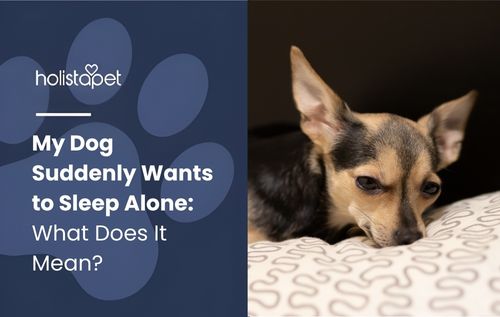
A dog that suddenly wants to sleep alone usually reacts to a change in comfort, routine, environment, or health. This behavior often signals a new need for space, temperature control, or emotional adjustment.
Recognizing the cause helps owners address the change and support their dog’s well-being while exploring more dog care education, a principle commonly highlighted in trusted dog care blogs.
Why Does My Dog Suddenly Want to Sleep Alone?

Dogs suddenly sleep alone because of changes in comfort, environment, routine, or health. This shift usually reflects a practical need rather than rejection.
|
Reason |
What It Means |
Key Signs or Examples |
|
Temperature feels too warm |
Dogs move to cooler areas to regulate body heat. |
Sleeps on tile or wood floors, stretches out, chooses cooler rooms. |
|
Change in routine |
Schedule shifts affect sleeping patterns and resting behavior. |
New work hours, different bedtime, travel, altered feeding or walk times. |
|
Desire for personal space |
Maturing dogs often develop more independence during rest. |
Sleeps in another room, moves to a personal bed, leaves shared bed at night. |
|
Stress or environmental changes |
Dogs seek quiet and security when surroundings change. |
Moving homes, loud noises, new pets, furniture rearrangements. |
|
Physical discomfort or health issues |
Pain or stiffness can make close sleeping uncomfortable. |
Trouble settling, restlessness, reduced cuddling, limping or stiffness. |
|
New preferred sleeping spot |
Dogs rotate resting areas to find the most comfortable location. |
Chooses couch corners, hallways, crates, or window areas. |
|
Aging and behavioral changes |
Senior dogs adjust sleep locations due to body and cognitive changes. |
Prefers quiet areas, seeks supportive bedding, altered sleep cycles. |
1. Temperature Feels Too Warm
Dogs move away from shared sleeping spaces when body heat builds up. Beds, blankets, and close contact can make the area uncomfortable.
Common signs include
-
Moving to tile, wood floors, or open areas
-
Stretching out instead of curling up
- Choosing cooler rooms at night
Research from the American Kennel Club explains that dogs regulate body temperature by seeking cooler surfaces when they feel overheated.
2. A Change in Routine
Dogs rely on predictable patterns. A shift in daily schedules can influence sleeping habits.
Possible triggers include
-
A new work schedule
-
Different bedtime routines
-
Recent travel or house guests
-
Changes in feeding or walk times
According to Dr. Mary Burch, PhD, certified animal behaviorist, dogs adjust resting patterns when household routines shift because routine helps them predict daily events.
3. The Dog Wants Personal Space
Some dogs become more independent as they mature. Puppies often prefer close contact, while adults sometimes choose distance during sleep.
This can look like
-
Sleeping in another room
-
Moving to a personal bed
- Leaving the bed during the night
Behaviorists note that independence often increases after adolescence as dogs gain confidence.
4. Stress or Environmental Changes
Dogs react strongly to shifts in their surroundings. Stress can cause them to isolate during rest.
Situations that may trigger this include
-
Moving to a new home
-
Loud noises or construction nearby
-
A new pet or family member
- Rearranged furniture or sleeping areas
The ASPCA explains that environmental changes influence sleeping locations because dogs search for spaces that feel quiet and secure.
Behavioral habits may overlap with other concerns, so reviewing topics like why does my dog lick can provide additional insight.
5. Physical Discomfort or Health Issues
Pain or discomfort can make close contact unpleasant. A dog may choose a different place to reduce pressure during sleep.
Watch for
-
Difficulty getting comfortable
- Restlessness at night
-
Less interest in cuddling
- Limping or stiffness
For medication-related considerations, you may also want to review can you give a canine tylenol.
6. A New Preferred Sleeping Spot
Dogs sometimes understand a location that simply feels better. The place may offer comfort, quiet, or security.
Common examples include
-
A couch corner
-
A hallway or doorway
-
A crate or dog bed
- A spot near a window
Dogs naturally rotate resting areas to find the most comfortable environment.
7. Aging and Behavioral Changes
Older dogs often adjust sleep patterns as their bodies and senses change.
Age related changes may include
-
Sleeping in quieter areas
-
Seeking supportive surfaces
- Shifting sleep cycles
According to the Cornell University College of Veterinary Medicine, senior dogs often change resting locations due to cognitive changes, sensory decline, or joint stiffness.
When Should I Be Concerned When My Dog Sleeps Alone?

Sleeping alone usually does not signal a problem. Concern becomes necessary when the behavior appears suddenly and comes with other unusual physical or behavioral changes.
-
Loss of appetite: Refuses meals or eats far less than usual, which may signal illness or discomfort.
-
Lethargy or low energy: Shows little interest in play, walks, or interaction.
-
Signs of pain: Limping, stiffness, whining, or difficulty lying down or getting up.
-
Behavioral withdrawal: Avoids contact, hides, or stops seeking attention.
-
Restlessness at night: Pacing, frequent repositioning, or inability to settle.
-
Sudden personality change: Acts unusually irritable, anxious, or distant.
- Digestive issues: Vomiting, diarrhea, or visible stomach discomfort.
A veterinarian should evaluate these signs to rule out medical problems.
Should I Go to the Vet If My Dog Wants to Sleep Without Me?
Not necessarily. Monitor the dog for additional changes. A veterinary check becomes important if the new sleeping habit appears with physical or behavioral symptoms.
Signs that justify a vet visit include
-
Loss of appetite or sudden weight change
-
Limping, stiffness, or difficulty lying down
-
Unusual lethargy or low energy
-
Restlessness during the night
-
Whining, panting, or signs of pain
- Vomiting, diarrhea, or digestive problems
Age also matters. Older dogs often develop joint pain, arthritis, or cognitive changes that influence sleeping habits. The American Veterinary Medical Association notes that behavior shifts in senior dogs sometimes signal underlying medical conditions.
If the dog still eats normally, stays active, and behaves the same during the day, sleeping alone usually reflects a comfort preference rather than a health issue. Monitoring the behavior for a few days helps confirm that the change remains harmless.
What Can I Do to Support My Dog’s New Sleeping Behavior?

Supporting a dog that prefers to sleep alone involves respecting the new habit while maintaining comfort, security, and routine. Small adjustments help the dog rest better without forcing closeness.
Create a Comfortable Sleeping Area
A dedicated space encourages consistent rest and reduces nighttime movement. Dogs choose areas that feel secure and physically comfortable.
Helpful adjustments include:
-
Provide a supportive dog bed with enough padding
-
Place the bed in a quiet corner of the home
- Keep the space clean and free from heavy foot traffic
Veterinary behavior specialists often recommend stable sleeping areas because predictable environments help reduce stress in dogs.
Keep a Consistent Night Routine
Dogs respond strongly to predictable daily patterns. Consistent evening habits signal that it is time to settle down.
Simple routines that help include:
-
Regular evening walks
-
Feeding dinner at the same time each day
- Calm interaction before bedtime
According to Dr. Karen Overall, a veterinary behaviorist, structured routines help dogs regulate stress and improve overall behavioral stability.
Support Joint and Body Comfort
Physical comfort strongly affects where a dog chooses to sleep. Supportive bedding reduces pressure on joints and muscles.
Consider improvements such as:
-
Orthopedic foam beds for older dogs
-
Raised beds that improve airflow
- Warm blankets during colder months
The American Animal Hospital Association notes that joint support helps improve sleep quality in dogs with age-related stiffness.
Reduce Environmental Stress
Some dogs choose isolated sleeping spots when they feel overstimulated. A calmer environment helps them relax.
Ways to improve nighttime calm include:
-
Lowering noise levels in the evening
-
Limiting bright lights at night
- Providing a quiet resting zone away from activity
Support Relaxation Through the Endocannabinoid System
The endocannabinoid system or ECS helps regulate mood, stress response, and sleep cycles in mammals, including dogs. Supporting this system can encourage calm behavior in some pets.
Research published in Frontiers in Veterinary Science highlights how cannabinoids interact with ECS receptors that influence relaxation and emotional balance.
Some owners use plant based supplements designed for pets to support calm behavior. Examples include products like natural CBD oil for dogs and CBD biscuits for dogs, formulated to support calm behavior in dogs.
These products may support:
-
Relaxation during stressful changes
-
Balanced mood and calm behavior
- Joint comfort in aging dogs
Pet owners should always consult a veterinarian before introducing any supplement to ensure proper dosage and safety.
Additional support may include melatonin sleep chews for dogs and vet-recommended probiotics for dogs to promote overall wellness.
Give the Dog Freedom to Choose
Dogs often rotate sleeping spots based on comfort and instinct. Allowing the dog to choose its preferred location prevents unnecessary stress.
Helpful practices include:
-
Avoid forcing the dog onto the bed
-
Leave the sleeping area accessible at night
- Observe patterns in preferred sleeping spots
Respecting the dog’s choice helps maintain trust while supporting healthy rest.
Dogs Want Alone Times Too
A dog that starts sleeping alone usually responds to comfort, routine, or environmental changes rather than rejection. Monitor behavior and overall health, provide a comfortable sleeping space, and support consistent routines.
Consult a veterinarian if other unusual symptoms appear.
Frequently Asked Questions
Can dogs grow out of sleeping with their owners?
Yes. Many dogs become more independent as they mature. Adult dogs often prefer their own sleeping space after puppyhood.
Do dogs sleep alone when they feel anxious?
Some dogs isolate during stress to find a quiet area. Others seek closeness instead. The reaction depends on the dog's personality and coping style.
Does breed affect where a dog prefers to sleep?
Yes. Independent breeds such as Shiba Inus or Chow Chows often prefer personal space, while companion breeds tend to stay close to their owners.
Can changes in household temperature affect where a dog sleeps?
Yes. Dogs frequently move to cooler or warmer areas to regulate body temperature, especially during seasonal changes.
Do dogs change sleeping habits during seasonal changes?
Yes. Dogs may move to cooler floors during warm months or choose warmer bedding during colder seasons.
Can a new bed cause a dog to sleep somewhere else?
Yes. Some dogs avoid unfamiliar textures or scents at first. Washing the bed or placing familiar items nearby can help them adjust.








2 comments
Wendy
My 14 1/2 year-old female dog passed in December and I have a male dog who is 11 and going to be 12 in July and he will not come up on my bed and sleep with me. He has three beds in my room and three beds in the living room. Why will he not lay in bed with me he used to it’s making me sad because I want to make him feel extra loved and comfortable, he used to sleep in my bed when my daughter was home, but she left for college and then now that my little girl died he just will not come up and sleep here. I don’t understand. Why can you please give me an answer if you can thank you again.
Joe Curry
Very helpful till she sees the vet in 3days
Leave a comment
All comments are moderated before being published.
This site is protected by hCaptcha and the hCaptcha Privacy Policy and Terms of Service apply.