Dog Care
Join Our Newsletter
Frequently Asked Questions
Dogs are one of the best things on this planet - they're loyal, cuddly, sweet, protective, playful, and a whole host of other things. There are a number of reasons why dogs have been dubbed "man's best friend." But adopting a dog is no easy task, and proper dog care is essential to their quality of life.
Whether you've always had dogs or you're thinking of adopting your first, it's crucial to evaluate how you care for them/how you plan to care for them. As a dog owner, you're responsible for everything concerning their mental and physical wellness, and we're here to help prepare you for that role.
What is the Importance of Dog Care?
What is the Importance of Dog Care?
Some people are annoyed by the term "fur-baby," but it's a pretty accurate description of what dogs are for dog owners. A pet dog is a member of your family that relies upon you for literally everything; food, water, exercise, hygiene, stimulation, maturation, and many more things are all on you.
Devoting time to your dog's mental and physical health needs is essential. It's up to you to stay on top of their veterinary check-ups, meal schedule, exercise routine, etc. When you let those things slide, your dog's overall quality of life can be dramatically affected.
What Happens if You Don't Properly Care for Your Dog?
Failing to care for your dog properly can lead to a whole host of issues, both mental and physical. Without adequate care, dogs can develop health conditions such as internal and external diseases and stress/anxiety. Improper care/training can also lead to aggressive and destructive behavior.
What to Do Before You Get a Dog
What to Do Before You Get a Dog
If you're thinking about getting a dog, there are many things to consider before you do so. First and foremost, we want to stress the importance of adopting from shelters rather than buying from breeders or puppy mills. There are all too many dogs in need at shelters waiting for a loving home.
If you're thinking, "I don't want a dog with a mysterious/potentially traumatic past, I want a cute little puppy that will be all mine," check-in with yourself about WHY you're thinking of getting a dog. Are you doing it because you want to provide love and care to an animal, or do you want cute puppy photos to post on your social media?
You should only adopt a dog when you have the finances to support them, adequate time to devote to their care, and a genuine motivation that includes love and altruism. In many ways, adopting a dog is like having a baby, except fur-babies don't grow into adults who can one day say "thank you" out loud.
Beyond a mental check-in, there are numerous dog care items you'll need to pick up before the adoption. You'll need a puppy bed, food/water bowls, toys, collar/leash, pee pads, grooming supplies, puppy crate, and maybe more. Those items can quickly add up and become expensive.
In addition to those physical items, you'll need to set up a puppy veterinary visit, which will also add to your costs. Then, you'll need to factor in the recurring costs of vet visits, food, toys, registration, collars/leashes, etc. Dogs grow fast, chew on things, and pee on things, and you'll need to buy more dog stuff throughout their lives.
Dog Care Tips for Beginners
Dog Care Tips for Beginners
If you feel like it's a good time for you to adopt a dog, congratulations! Bringing a dog home is one of the best feelings in the world. Below, you'll find some dog care tips for beginners that can help you out, especially during those first six months.
Have Them Examined by a Vet
When you bring a dog home, step number one is setting up a vet appointment. Puppies need vaccinations and (for most) to be spayed/neutered before they're six months old. Older dogs may need these things and may also need medications, evaluations, or other accommodations from a vet.
Choosing the right vet is paramount - ask around in your friend group/at work for stellar vet recommendations. You'll want to find a vet that's going to become an ally, someone who knows and loves your dog, and someone who will be committed to their care.
ID & Licensing
Most states legally require that you license your dog upon adoption and renew the license yearly. Typically, part of the licensing is verifying that your dog is vaccinated against things like rabies. You'll also need to purchase an ID tag for your dog's collar with their name and your information.
Vaccinations
We vaccinate our dogs for the same reasons we vaccinate ourselves: to keep them and those around them shielded from diseases. The most commonly legally required vaccination is the rabies vaccine, which most animal experts and vets consider one of the "core vaccines."
The other core vaccines are for canine parvovirus, distemper, and canine hepatitis. Other vaccines, "non-core vaccines," are given on a case-by-case basis depending on a dog's risk of exposure to diseases and pests. To learn more about dog vaccinations, check out the ASPCA's helpful resource page.
Spaying and Neutering
There are numerous health benefits to neutering/spaying dogs, especially at a young age. However, there are also reasons why someone may not want to spay/neuter their pup. Let's go over some of the pros and cons of spaying/neutering so that you can make a fully informed decision for your dog.
Pros:
Spaying can prevent female dogs from developing certain health conditions like urine infections and breast tumors. Neutering prevents male dogs from developing testicular cancer.
It prevents female dogs from going into heat, which can be stressful for them and messy for your house. This also prevents them from unwanted pregnancy.
Neutering male dogs reduces the risk of them running away from home to try and mate, which will also keep them safer from cars and other animals.
Neutering a male dog can also inhibit aggressive behavior and make them less likely to mount people, objects, and other animals. It will also prevent them from impregnating female dogs.
Cons:
Spaying/neutering is a surgical procedure during which a dog must go under anesthesia. While most spay/neuter procedures go off without a hitch, there is always risk involved with putting a pet under anesthesia - some dogs are allergic.
When you spay/neuter a dog, you nip the chance of them ever having puppies in the bud (pun intended). While this is the primary purpose of spaying/neutering, it's something to consider before scheduling the procedure.
Some dog owners worry that because spaying/neutering can lead to a calmer disposition, their dog will become lazy and overweight. There is a change in hormones when these procedures are done, which can affect your dog's energy level. However, as long as you continue to stick to regular exercise and healthy diet routines, your dog should have no problem maintaining a healthy weight.
We recommend consulting with your vet about what will be best for your dog and you/your family. It's a personal decision that should be made with your vet's advice in mind.
CBD for Dogs
Whether you're bringing home a puppy, taking in a senior dog, or simply looking to revamp your dog care, CBD can be an ultra-beneficial tool. CBD (cannabidiol) is non-intoxicating, meaning it doesn't make dogs (or humans!) feel "high." It's a natural, soothing, therapeutic compound found in hemp!
Transition can be super stressful for dogs; leaving their mother, meeting strangers, spending time in a shelter, getting shots, meeting other pets, adjusting to a new environment and routine, etc., can be a lot to handle. Many dogs also suffer from separation anxiety and phobias that cause them mental anguish.
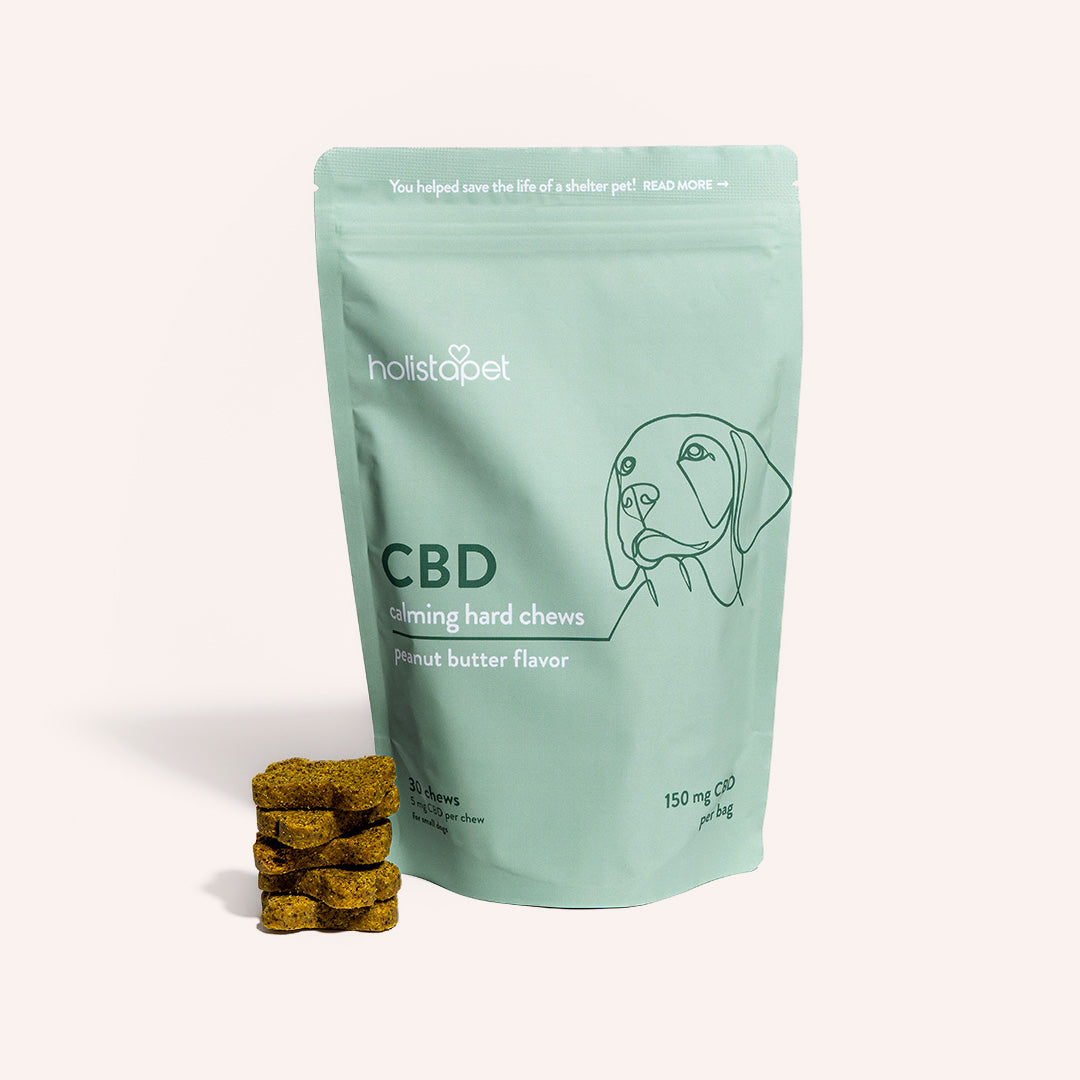
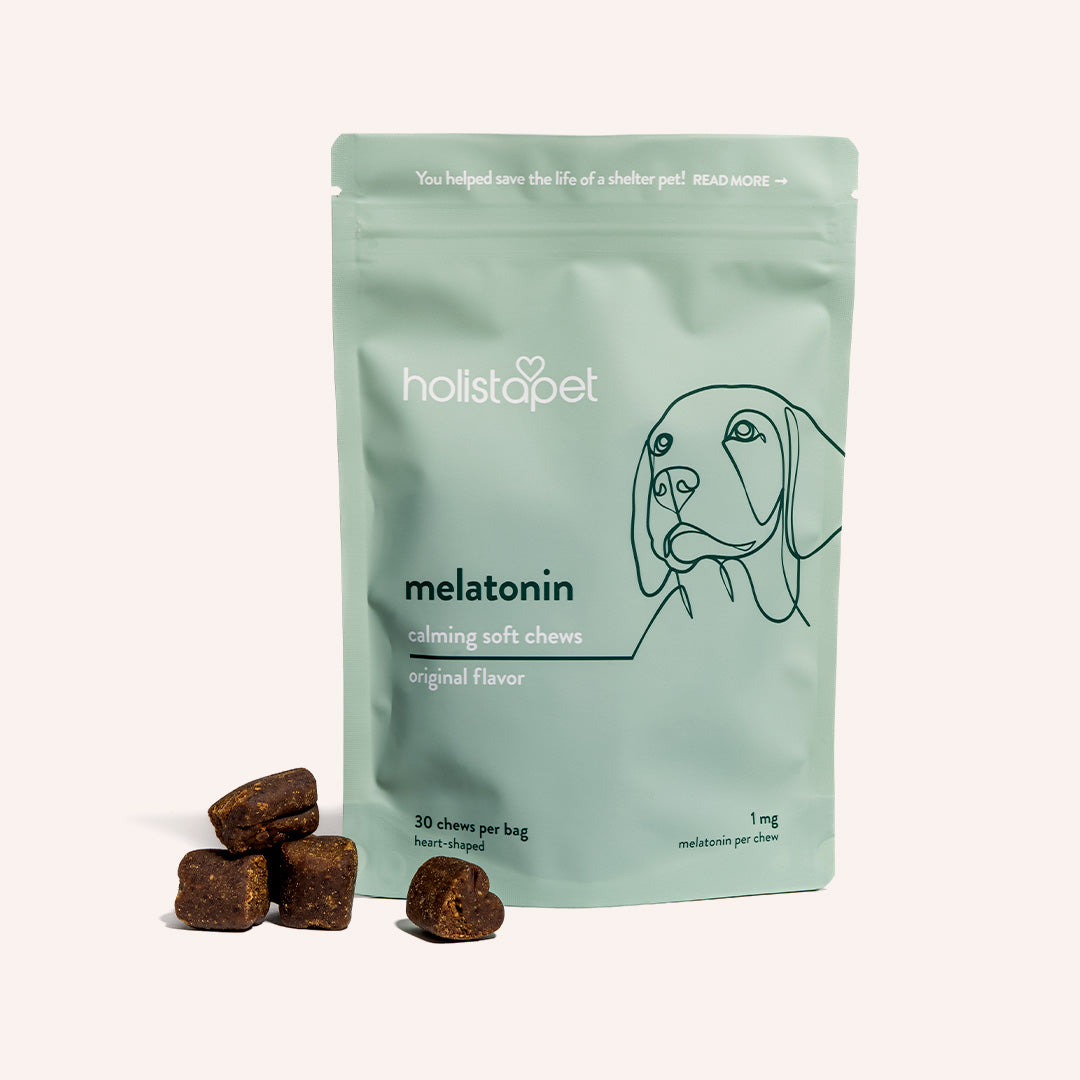
Whatever it is that's stressing your dog out, our calming CBD treats can help. We make two varieties: dry dog treats flavored with green apple and peanut butter and soothing peanut butter soft chew treats. They've helped so many dogs to feel calm and relaxed, giving their owners peace of mind.
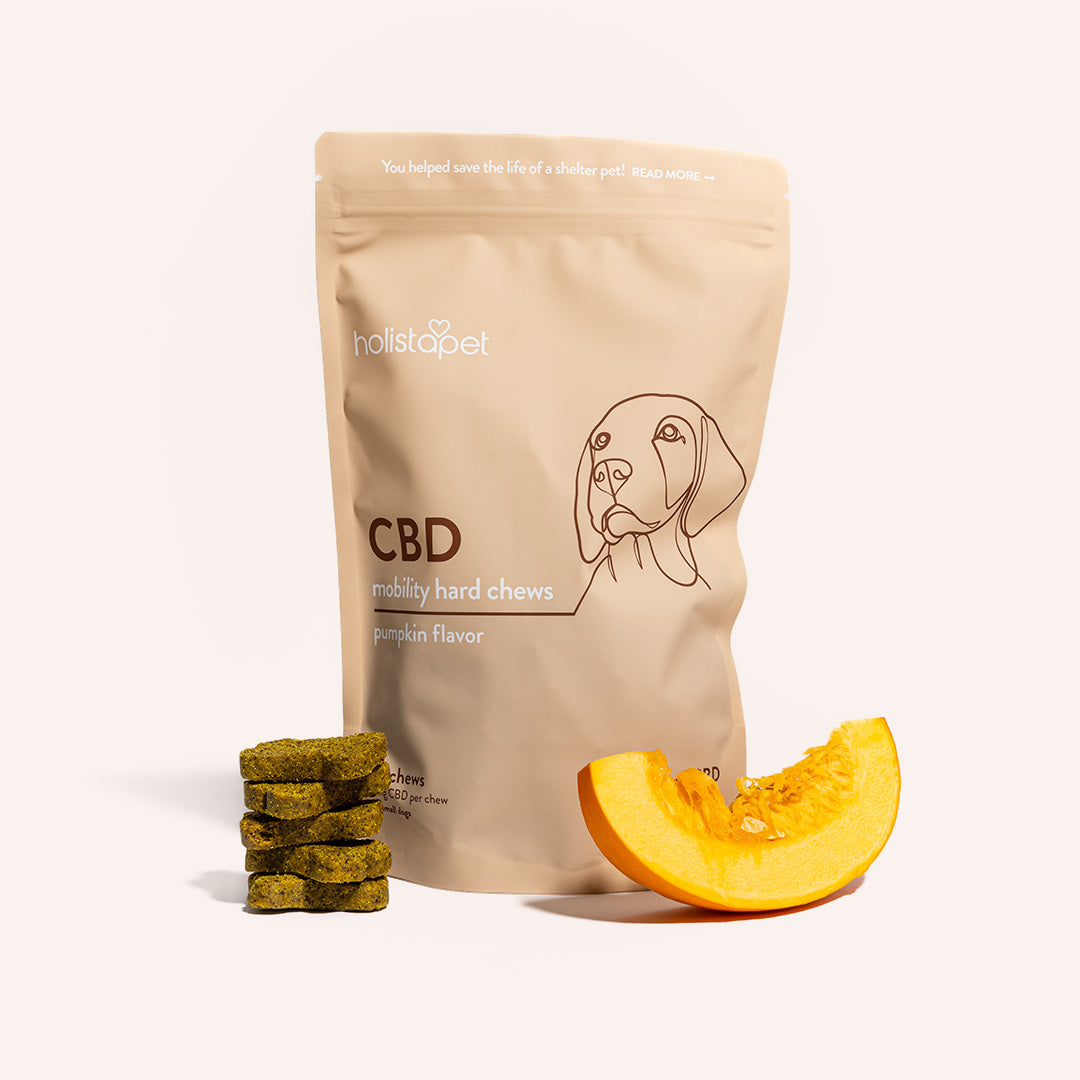
We also make two other specialized CBD treats: sweet potato-flavored immune support and pumpkin-flavored mobility support.
These varieties come in handy as dogs age, but they can also be used as part of a healthy, nutritional, preventative diet.
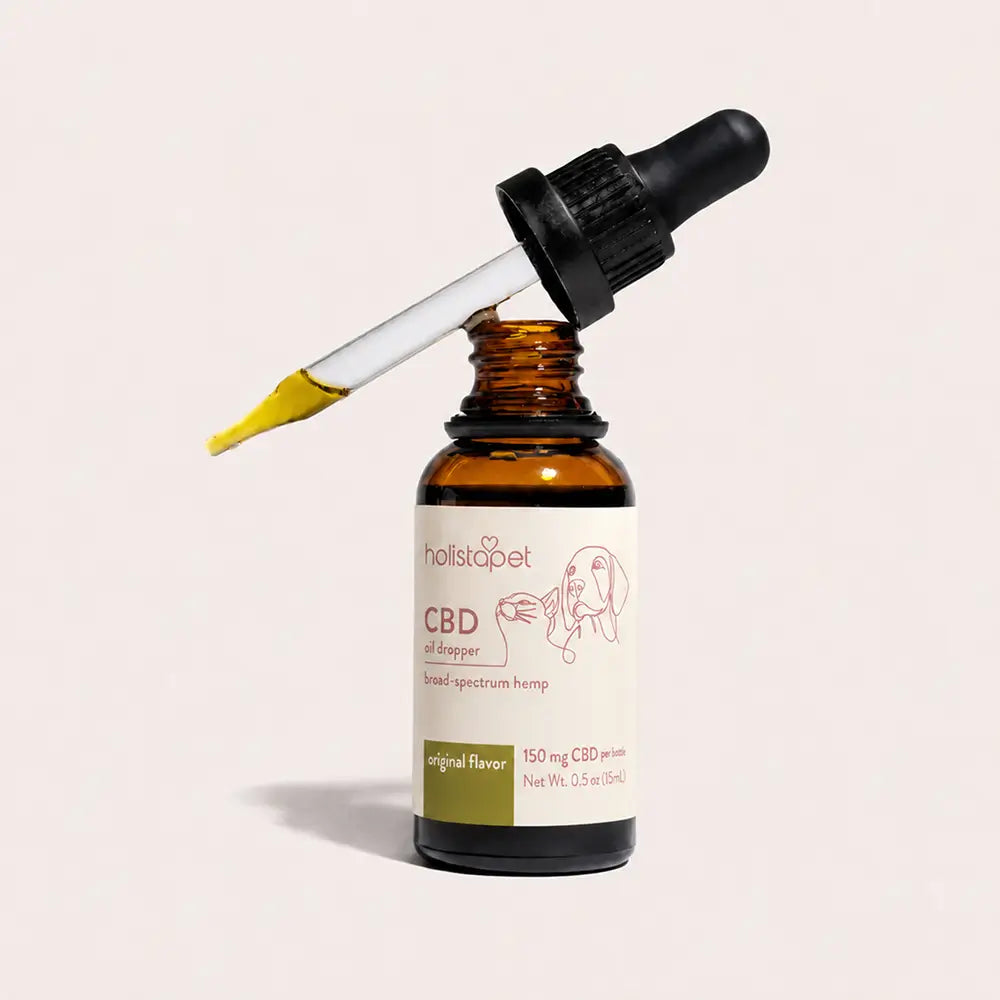
Organic CBD Oil & CBD Capsules for Dogs
If your dog already has a favorite treat or food, we also make organic CBD oil and CBD capsules that you can mix right in! CBD can help with a vast range of ailments, including:
- Digestive issues
- Trouble sleeping/settling down
- Swelling/irritation
- Appetite concerns
- Skin and coat health
And many more!
Curious about giving your dog CBD, please feel free to contact us! There's no question too small or silly - we understand that you want to be 100% sure about giving CBD to your pet.
Feeding & Hydration
High-quality, breed/age-specific food is absolutely essential to your dog's overall wellness. Nutrition factors into their internal health, their skin and coat health, and their mental health. We recommend consulting your veterinarian about the best foods and feeding schedule for your dog.
In general, puppies between eight and 12 weeks old should eat four small meals a day. Puppies between three and six months old should eat three times a day. Between six months and a year, they should go down to meals a day. Then on their first birthday, most dogs can move to one meal per day.
However, most dogs, especially larger breed dogs who are prone to bloat, do best on two smaller meals a day rather than one big one. Clean water should be made available to all dogs all the time. If you're playing outside, going in the car, or on an outdoor adventure, take water with you then, as well.
Exercise
Just like humans, dogs need physical activity to remain in good physical and mental health. Most dogs need about 30 minutes of moderate exercise per day, but each breed and individual dog has unique exercise requirements. Be sure to check our breed-specific blog articles for more dog exercise information (and general information about the breeds!).
Grooming
Grooming is an often overlooked yet crucial aspect of proper dog care that plays a role in their overall health. Each breed has unique grooming needs, and some are more intricate than others. Be sure to look into your dog's specific grooming needs so that you can make and keep to a grooming schedule.
In general, brushing once a week is a good way to remove excess hair and dirt, preventing tangles and matting. Bathing is a much more specific aspect of dog grooming - overbathing can cause damage to the skin and coat. One bath every one to two months should be enough.
If you'd like to take your dog's bath to the next level of cleansing and relaxation, or if your dog is suffering from excessive shedding or dry skin, we recommend trying our CBD-infused dog shampoo. It's made with ultra-hydrating ingredients like rice quat, and the CBD works to protect the skin barrier.
Dental Care
Dog dental care is something that often falls by the wayside for many dog owners, but it's something that we should all be brushing up on (again, pun intended). Taking care of your dog's teeth is another essential aspect of their overall care, and it's as simple as brushing their teeth once a week.
If you neglect your dog's dental care, it can lead to a host of issues, including dental disease. Dental disease is when plaque buildup turns into tartar which makes its way beneath the gum line, causing painful inflammation. It can also cause infections and tooth loss in dogs.
Fleas & Ticks
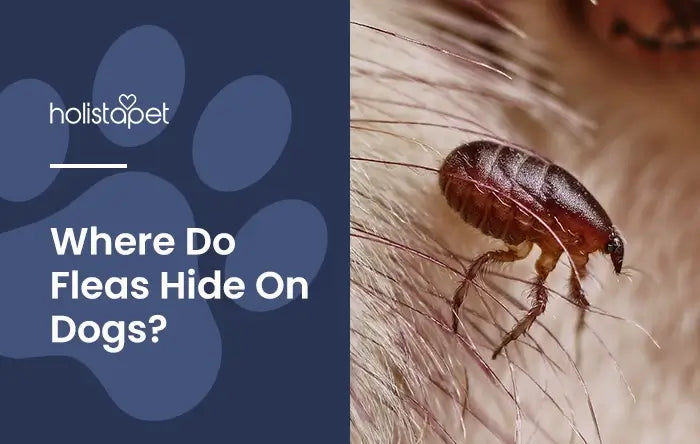
Fleas and ticks are common dog care concerns, especially in some areas of the United States. There are various options for preventative flea care, but it's important to be cautious of the method you choose. Flea collars and combs are good options for generally repelling fleas from your dog's coat.
Pest shampoos can also be good options, but don't overuse them - they can cause skin dryness when used excessively. While fleas are typically peskier, ticks can be more dangerous for your pup and you. Some ticks can carry illnesses such as Lyme disease, which is a harmful bacterial infection.
To help prevent tick bites and pests from getting into your home, perform regular flea and tick checks on your dog, especially after they play outdoors. The sooner you notice a flea problem, the easier it will be to clean. The sooner you find and remove a tick, the less chance your dog has of contracting a disease.
Last but not least, definitely discuss preventative care with your veterinarian. They'll be able to recommend trusted brands to keep your pup, you, and your home clean and safe.
Housing
While you may be able to adjust to a tiny studio apartment as a young 20-something, not all dogs can do the same. Before adopting a dog, consider whether or not you have adequate space for them to feel comfortable. Most dogs, especially large dogs, need plenty of room in the house and an outdoor area.
If you do live in an apartment, don't worry! You can definitely still adopt a dog and make them very happy. Just be sure that you have access to a fenced-in area for your dog to run and play. But if you're thinking of adopting a large dog, apartments and condos may not be a suitable living option.
Many medium to large-sized dogs can go a little stir-crazy in small spaces, and some can become destructive in those situations. Especially if your dog is dealing with separation anxiety, they may push your furniture around in an attempt to create more space for themselves.
Most small dogs will do just fine in an apartment or condo, but be aware that any dog's barking might bother neighbors in such close quarters. It's all about making sure you have the time and space to properly train your pup so that you're both comfortable, even when you're not at the house with them.
Socialization
Socialization is a key aspect to having a happy, mentally healthy, and well-behaving dog. Through classes and real-world experience, socialization teaches dogs how to get along with other dogs, pets, and humans without resorting to defensive behavior.
It's much easier to socialize a puppy than an older dog or a dog from a shelter, but the latter two can absolutely be done. Beyond socialization classes, take your dog on as many outings as you can. Dog parks, pet stores, and neighborhood walks are some of the best places to socialize your dog.
If you need help socializing an older dog, check out our article on socializing older dogs! As we said, it can be tricky, but we curated some of the best tips for working with your older dog to help them feel safe and comfortable around other dogs, pets, and humans.
Final Thoughts - Dog Care
Dog care is no small task, but there are thousands of dog owners out there who do it amazingly. As long as you're financially prepared to support a dog and you have the time to devote to their training and everyday needs, you too can be an incredible dog owner!
Take time to thoroughly learn about the breed you're adopting and do everything you can to prepare for the homecoming. Reach out to friends with dogs for their advice, and don't skimp on finding a trustworthy vet. Every six months or so, evaluate your dog care and make any necessary adjustments to be sure that your dog is getting everything they need to be happy and healthy.
Other Dog Care Articles
















































Recommended Products
Based on these articles