

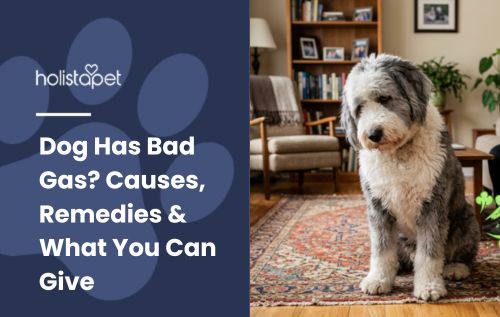
Every dog owner knows the look. Your pup stretches out, their belly gurgles, and then… the unmistakable pffft. If "My dog has bad gas. What can I give him?” is fast becoming your top search query, it's time to get serious about solutions.
Improving your dog’s well-being and eliminating pet odors doesn't have to be difficult. By making a few easy adjustments to their diet and care and tapping into reliable dog care education you can keep your pup happy and your house smelling clean without any hassle.
Why Does My Dog Have Bad Gas?
 Gas in dogs usually comes down to what's happening in their digestive tract. When food doesn't break down properly, it can lead to fermentation and gas buildup. Swallowed air from gobbling food too fast can add to the problem. Some foods can also be harder for a canine's stomach to handle, especially if they cause irritation or swelling.
Common Dietary Causes of Flatulence
A dog's diet plays a big role in how much gas they produce. Table scraps, spoiled foods, and certain human foods, for example, can upset the tummy and trigger flatulence.
Digestive Disorders and Gut Imbalance
Some dogs experience excess gas due to ongoing digestive issues. Conditions like inflammatory bowel disease (IBD) or irritable bowel syndrome (IBS) can disrupt normal digestive functions.
Breed and Age Factors That Influence Gas
Some breeds naturally pass gas more often because of their anatomy. Short-nosed canines, for example, tend to swallow more air when eating, which leads to excess gas. Large dogs are prone to digestive issues that can cause bloating and chronic flatulence and using a dog weight calculator can help ensure portion sizes are appropriate for their size and life stage.
How To Tell if Gas Is a Sign of Something Serious
Most dogs break wind from time to time, but ongoing issues can point to bigger health concerns. If other symptoms accompany your dog's flatulence, it's worth paying closer attention. Changes in appetite, energy, or bathroom habits can signal digestive problems. A gassy dog with swelling, weight loss, or other discomfort may need a vet check.
Symptoms That May Require a Vet Visit
Sometimes, gas is more than just a stinky inconvenience. Keep an eye out for warning signs that suggest something's not right with your dog's digestion or overall health. If you notice any of these, a vet visit is a smart move and telehealth vet services can make getting professional guidance faster and more convenient:
-
Frequent Vomiting. Can point to food sensitivities or digestive trouble.
-
Diarrhea or Loose Stools. May indicate poor digestion or food intolerance.
-
Sudden Weight Loss. Could link to chronic intestinal ailments.
-
Visible Swelling in the Abdomen. A sign that your dog's tummy fills with too much air.
-
Loss of Appetite. Often happens when a pup feels unwell.
What Can I Give My Dog for Gas?
Helping a gassy dog starts with safe, pup-friendly options that support digestion. Probiotics, digestive enzymes, and certain over-the-counter (OTC) products can help relieve gas when used correctly.
Dog-Safe Probiotics and Gut Health Supplements
Probiotics can help restore balance in your dog's gut and support proper digestion. These friendly bacteria help balance gut flora, improve digestive function, and reduce flatulence and pairing probiotic support with multivitamin soft chews for dogs can further support overall digestive and immune health.
Digestive Enzymes To Aid Food Breakdown
Digestive enzymes help your dog break down food more efficiently, which can reduce excess gas. They support digestion by easing the workload on the stomach and intestines. This means fewer chances for undigested food to ferment and cause gas.
Over-the-counter options: Can dogs have Gas-X or Simethicone?
Simethicone, the active ingredient in Gas-X, can sometimes help relieve gas in dogs. It works by helping bubbles in the gastrointestinal (GI) tract combine, making it easier for your dog to cut one loose.
HolistaPet Probiotics for Dogs — Gentle Relief From Gas
![Probiotics For Dogs [Soft Chews] - HolistaPet](https://cdn.shopify.com/s/files/1/0765/3946/1913/files/Probiotic-Infographic-1_472d7a29-e30c-435a-9638-1365d8c3a9f9.jpg?v=1725384841)
HolistaPet Probiotic Soft Chews for Dogs deliver 3 billion CFU (colony-forming units) from nine helpful probiotic strains to restore digestive balance and soothe gas. The blend includes Lactobacillus acidophilus, L. casei, L. salivarius, L. plantarum, L. rhamnosus, L. brevis, Bifidobacterium bifidum, Streptococcus thermophilus, and Bifidobacterium lactis/longum.
These chews also include a pumpkin and sweet potato mix to support healthy regularity and help reduce skin itchiness. With 30 chews per bag, they're easy to add to any pup's routine for ongoing gut comfort and fewer stinky moments.
View all Holistapet Supplements for Dogs
Natural Ways To Reduce Gas in Dogs
You can often help a gassy dog feel better by making small, natural changes to their routine. These simple habits can support digestive health and reduce smelly gas without harsh treatments. Try starting with the basics and see how your dog responds.
-
Adjusting Diet and Portion Sizes including natural CBD oil for dogs as a wellness addition may also help support a calm digestive environment in stress-sensitive dogs, according to AKC: CBD Oil for Dogs — What You Need to Know.
-
Avoiding Common Gas-Triggering Foods
-
Promoting Regular Exercise and Hydration
For dogs that struggle to settle after exercise or experience nighttime restlessness tied to digestive discomfort, melatonin sleep chews for dogs may help support a more restful routine.
Final Thoughts - What Can You Give Dogs for Bad Gas?
Helping your dog with their gas problems means finding the right mix of gentle care, smart food choices, and safe products. Probiotics, a balanced diet, and simple daily habits can bring noticeable improvements to their digestive comfort and rewarding good behavior throughout the process with CBD biscuits for dogs is a gentle way to support calm and wellness at the same time.
FAQs About Bad Gas in Dogs
Why does my dog have bad gas all of a sudden?
If your answer to “my dog has bad gas” started recently, it could be related to sudden dietary changes, table scraps, old food, or your dog eats too quickly and swallows air. Excessive gas can also happen when a dog’s digestive system struggles to break down certain foods, leading to bacterial fermentation in the gastrointestinal tract.
Is excessive gas normal in dogs?
Some gas is a normal byproduct of digestion, but excessive gas or chronic flatulence may point to digestive issues, food sensitivities, food allergies, or other health problems. If your dog farts constantly and also has vomiting, diarrhea, weight loss, or poor digestion, it may be time for a veterinary evaluation research such as PubMed: Pharmacokinetics, Safety, and Clinical Efficacy of CBD in Dogs continues to explore how supplemental support may complement conventional care in dogs with chronic digestive concerns.
What foods commonly cause dog flatulence?
Common culprits include fatty foods, dairy products, spicy foods, milk products, sulfur-rich ingredients, and table scraps. Certain dog food formulas containing complex carbohydrates or low-quality fillers may also produce excess gas in sensitive stomachs.
Why is my dog’s gas so foul-smelling?
Foul-smelling gas often results from bacterial fermentation in the large intestine. Foods containing sulfur-containing amino acids can create hydrogen sulfide, which smells like rotten eggs. Smelly gas may also happen when undigested food sits too long in the digestive tract.
Can swallowed air cause excess gas in dogs?
Yes. Dogs that eat too quickly may swallow too much air, leading to excess air buildup and more gas. Flat-faced breeds and dogs that gulp food rapidly are especially prone to swallowed air and intestinal gas.
HolistaPet's Probiotics for Dogs offer an easy way to keep your pup's gut in good shape and help reduce those unwanted smells. Seeing them relaxed, comfortable, and at ease is the kind of peace every pet parent hopes for.
Learn more dog care tips today.







Leave a comment
All comments are moderated before being published.
This site is protected by hCaptcha and the hCaptcha Privacy Policy and Terms of Service apply.