

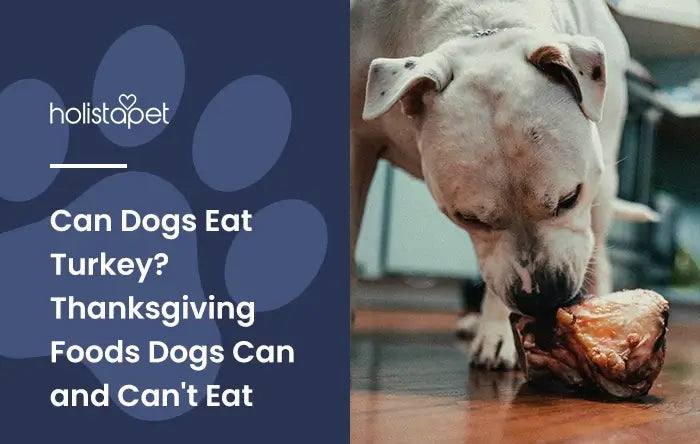
Yes, dogs can eat turkey: a small piece of plain, cooked, boneless turkey breast makes a suitable treat, says the ASPCA. Skip the skin and fatty drippings, which can cause vomiting, diarrhea, or pancreatitis, Cornell warns. Never give turkey bones, whether raw or cooked, raw turkey meat, or food containing onion or garlic, say Tufts veterinary nutritionists. Keep all extras, including turkey, under 10% of your dog's daily calories.
Key points
- Plain turkey breast has about 12 to 15 calories per tablespoon, so a 25-pound active dog's 60-calorie daily treat budget allows about 4 tablespoons.
- If your dog swallows a bone or eats raw dough, xylitol, grapes, or raisins, call your vet or ASPCA Animal Poison Control at (888) 426-4435 right away.
- Onion and garlic damage red blood cells. Signs of anemia can appear days later, usually 3 to 5 days after eating.
- Grapes and raisins can cause vomiting or diarrhea within 6 to 12 hours and kidney failure within 24 to 72 hours.
-
Take the carcass, bones, and string straight to an outside bin, and empty the trash throughout the day.
Can dogs eat turkey?
Yes, if it is plain, cooked, boneless breast meat in small amounts. A small piece of boneless turkey makes a suitable treat, according to the ASPCA's holiday safety tips. Fatty, sweet, and spicy foods, as well as turkey or chicken bones, can be dangerous.
Holiday food is an extra, not a meal or a replacement for your dog's regular diet. To see what your dog's food already provides, read what complete dog food already covers.
Is turkey good for dogs?
Yes, as a treat: plain turkey breast, cooked and cooled, with no skin, bones, or seasoning. AAHA's list of healthy snacks for dogs includes cooked and cooled lean meats, such as skinless chicken breast. The ASPCA also calls a small piece of boneless turkey a suitable treat.
Turkey is an extra, not a replacement for your dog's food. Plain cooked turkey breast has about 12 calories per level tablespoon, according to Tufts veterinary nutritionists. Keep those small pieces within the 10% of daily calories that AAHA and Tufts set for treats.
Is turkey skin safe for dogs?
No. Skin and fatty drippings are high in fat, which can trigger vomiting, diarrhea, or pancreatitis. Pancreatitis is a painful and serious condition, according to Cornell's guide to holiday hazards for dogs.
What about seasoned or stuffed turkey?
Skip it. Onions and garlic are found in many Thanksgiving dishes and can be toxic to pets, warns the ASPCA's Thanksgiving safety tips. Garlic, onions, chives, and leeks are toxic to dogs whether raw, cooked, dried, or powdered, according to the Merck Veterinary Manual. Concentrated forms, such as onion powder, are riskier.
Is raw turkey safe for dogs?
No. Raw or undercooked turkey may carry Salmonella bacteria, the ASPCA warns. Cornell adds that raw meat can carry Salmonella and E. coli, which can harm both pets and people.
How much turkey can a dog have?
Keep turkey and all other extras under 10% of your dog's daily calories. For a 25-pound active dog, that means no more than 60 calories a day, according to Tufts's list of holiday foods.
Plain cooked turkey breast has about 12 to 15 calories per tablespoon, Tufts estimates, so 60 calories is about 4 tablespoons. The combinations below fit that budget, using portion figures from Tufts's treat guide.
| Plate for a 25-pound active dog | What goes on it | About how many calories |
|---|---|---|
| Turkey only | 4 tablespoons of plain turkey breast | 48 to 60 |
| Turkey and pumpkin | 3 tablespoons of turkey plus 2 tablespoons (30 g) of canned pumpkin without salt | 51 to 60 (36 to 45, plus 15) |
| Turkey and carrots | 2 tablespoons of turkey plus 4 baby carrots (40 g) | 40 to 46 (24 to 30, plus 16) |
| Turkey and blueberries | 3 tablespoons of turkey plus 20 blueberries (25 g) | 51 to 60 (36 to 45, plus 15) |
Tufts's example applies only to a 25-pound active dog. For a smaller or larger dog, ask your vet how many calories your dog needs each day, then keep extras under a tenth of that.
Prepare your dog's portion plain: fully cooked, skinless, boneless, and unseasoned.
- Cook it all the way through. Raw meat can carry Salmonella and E. coli, which can harm pets and people, warns Cornell's guide to holiday hazards.
- Remove the skin and trim the fat, because high-fat foods can trigger vomiting, diarrhea, or pancreatitis, Cornell notes.
- Remove every bone. Tufts lists bones, whether raw or cooked, among the holiday foods to avoid.
- Set your dog's portion aside before adding any seasoning, gravy, butter, or stuffing.
- Let it cool, cut it into small pieces, and measure it against the calorie budget above.
Serve the turkey as part of your dog's own meal. The ASPCA's Thanksgiving tips suggest mixing some pieces of turkey, sweet potato, and green beans into your dog's usual dinner. You can also stuff the treats into a puzzle toy.

Your dog's holiday portion can go in their own bowl, mixed into their usual dinner.
If your dog starts skipping their regular food in favor of extras after the holiday, read about a dog that skips meals for treats.
Are turkey bones safe for dogs?
No. Dogs should not eat turkey bones, cooked or raw. Bones can cause choking, broken teeth, or an intestinal blockage, according to Cornell's guide to holiday hazards for dogs.
Poultry bones can be a major choking hazard, the ASPCA warns. Do not offer raw bones instead. ASPCA Animal Poison Control's list of foods to avoid includes bones, which can injure the intestines or cause a blockage that may require surgery Tufts's holiday list also lists bones, whether raw or cooked.
Are turkey necks safe for dogs?
No. A turkey neck contains bones, so the same risks apply. Bag the neck, the carcass, and any bones as soon as you remove the meat, and take them to an outside bin.
What happens if my dog eats a cooked turkey bone?
Call your vet now; do not wait to see what happens. Do not make your dog vomit either. Inducing vomiting is not recommended when the swallowed item could damage the throat or stomach on the way back up, says the Merck Veterinary Manual's page on treating poisoning.
Watch for signs of a blockage: vomiting, loss of appetite, belly pain, diarrhea, dehydration, and lethargy. Intestinal blockages are emergencies that often require surgery. Corn cobs and bones are common culprits, according to Cornell's page on gut blockages in dogs.
Thanksgiving foods dogs can and can't eat, dish by dish
Plain turkey breast, plain sweet potato, plain green beans, corn kernels, and plain canned pumpkin are fine in small amounts. Most other dishes should be avoided because they contain fat, salt, onion, garlic, raisins, xylitol, or chocolate.
Corn, green beans, and pumpkin are on Tufts's list of safer treats. This next table explains which dishes you can share, which to skip, and why, with a source for each.
| Dish | Verdict | Why | Source |
|---|---|---|---|
| Plain turkey breast | OK plain, small amounts | A small piece of boneless turkey is a fine treat |
ASPCA holiday tips |
| Turkey skin and drippings | Skip | High-fat foods can cause vomiting, diarrhea, or pancreatitis |
Cornell holiday hazards |
| Turkey bones and neck | Never | Choking, broken teeth, or a blocked gut, raw or cooked | Cornell holiday hazards; Tufts holiday foods |
| Raw turkey | Never | May carry Salmonella |
ASPCA Thanksgiving tips |
| Stuffing | Skip | Usually made with onion or garlic, which damage red blood cells | ASPCA Thanksgiving tips; Merck (onion and garlic) |
| Anything with grapes, raisins, or currants | Never | Linked to kidney failure in dogs |
Merck (grapes and raisins) |
| Gravy | Skip | Bouillon used for gravy is very high in sodium, which can cause stomach and gut problems and even seizures; gravy can also contain onion and fat | ASPCA Thanksgiving tips; Cornell holiday hazards |
| Mashed potatoes with butter, cream or garlic | Skip | High in fat; dairy can cause diarrhea; garlic is toxic | Cornell holiday hazards; ASPCA Poison Control; Merck (onion and garlic) |
| Plain sweet potato | OK plain, small amounts | The ASPCA suggests mixing a few pieces into your dog's dinner | ASPCA Thanksgiving tips |
| Sweet potato casserole | Skip | Sweet and fatty toppings; fatty and sweet foods can be dangerous | ASPCA holiday tips |
| Plain green beans | OK plain, small amounts | On Tufts's safer list; the ASPCA suggests mixing them into dinner | Tufts holiday foods; ASPCA Thanksgiving tips |
| Green bean casserole | Skip | Usually topped with fried onions, and onion is toxic to dogs | Merck (onion and garlic) |
| Corn kernels | OK plain, small amounts | On Tufts's safer list | Tufts holiday foods |
| Corn on the cob | Never | Cobs can block the gut | Cornell holiday hazards; Cornell (gut blockages) |
| Plain canned pumpkin | OK plain, small amounts | 2 tablespoons without salt have about 15 calories | Tufts treat portions; Tufts holiday foods |
| Pumpkin pie | Skip | A sweet, fatty dessert; sugar-free versions may contain xylitol, which can cause low blood sugar, liver damage, or even death | ASPCA holiday tips; ASPCA Thanksgiving tips |
| Raw roll or bread dough | Never | Keeps rising in the stomach, and the yeast makes alcohol that is absorbed | ASPCA Thanksgiving tips; Merck (bread dough) |
| Chocolate desserts | Never | Can cause vomiting, diarrhea, an abnormal heart rhythm, tremors, seizures, and even death; baking chocolate and cocoa powder are the most dangerous. Check our dog chocolate calculator, then call your vet whatever it shows | ASPCA Thanksgiving tips; ASPCA Poison Control |
| Pecans and other nuts | Skip | Nuts are high in fat and can cause vomiting, diarrhea, and possibly pancreatitis; macadamia nuts are on Tufts's avoid list | ASPCA Poison Control; Tufts holiday foods |
| Alcohol | Never | Can cause vomiting, diarrhea, tremors, trouble breathing, coma, or death | Cornell holiday hazards |
| Milk and dairy desserts | Skip | Pets have little lactase, so dairy can cause diarrhea | ASPCA Poison Control |
| Trussing string and skewers | Never | String is especially dangerous if swallowed; Tufts lists wooden skewers and string to avoid | Cornell (gut blockages); Tufts holiday foods |
What Thanksgiving food is bad for dogs?
Avoid anything containing onion or garlic, grapes or raisins, xylitol, or chocolate, along with raw dough, alcohol, bones, and very fatty or salty dishes. Tufts's holiday list and ASPCA Animal Poison Control name all of them.

Can dogs eat stuffing?
No. Stuffing is usually made with onion or garlic, which damage a dog's red blood cells. Stuffing containing raisins or currants also carries a risk of kidney damage.
Can dogs eat mashed potatoes?
Not the usual holiday version. Butter and cream make mashed potatoes high in fat, dairy can cause diarrhea, and garlic is toxic to dogs.
Can dogs eat sweet potatoes?
Yes, served plain. The ASPCA suggests mixing a few pieces of sweet potato into your dog's dinner, but skip the casserole with its sugary, fatty toppings.
Can dogs eat pumpkin pie?
No. Pie is a sweet, fatty dessert, and sugar-free versions may contain xylitol. Choose plain canned pumpkin without salt instead: 2 tablespoons have about 15 calories, according to Tufts.
Can dogs eat green bean casserole?
No. It is usually topped with fried onions, and onion is toxic to dogs. Plain green beans are fine in small amounts.
Signs your dog ate something it shouldn't, and when they show up
Some signs start within an hour, while others take days. Call as soon as you know what your dog ate, before signs appear. ASPCA Animal Poison Control is available at (888) 426-4435, 24/7, 365 days a year, and a consultation fee may apply.
The table below shows when signs can start for each holiday hazard and what to watch for.
| What was eaten (call your vet or (888) 426-4435) | When signs can start | Signs to watch | Source |
|---|---|---|---|
| Xylitol, in some sugar-free desserts | Often within 30 to 60 minutes | Tiredness, confusion, wobbliness, tremors, vomiting, seizures, and coma |
Cornell (xylitol) |
| Grapes or raisins | Vomiting or diarrhea within 6 to 12 hours; kidney failure within 24 to 72 hours | Vomiting or diarrhea first, then kidney failure |
Merck (grapes and raisins) |
| Onion or garlic | Several days later; red blood cells usually break down 3 to 5 days after eating | Tiredness, poor appetite, fast breathing, a fast heartbeat, weakness, yellow gums or skin, red or brown urine, and collapse |
Merck (onion and garlic) |
| Raw bread dough | Call at once; do not wait for signs | Early: retching with nothing coming up, a swollen belly and low energy. Later: wobbliness and confusion. Severe: weakness, low blood sugar, low body temperature, seizures or coma |
Merck (bread dough) |
| Fatty scraps, skin or drippings | Call your vet if you see these signs | Signs of severe pancreatitis: loss of appetite, vomiting, weakness, belly pain, dehydration, and diarrhea |
Merck (pancreatitis) |
| Chocolate | Call at once; do not wait for signs | Vomiting, diarrhea, panting, heavy thirst and urination, hyperactivity, an abnormal heart rhythm, tremors, and seizures |
ASPCA Thanksgiving tips |
| Macadamia nuts | Usually within 12 hours; recovery expected in 24 to 72 hours | Weakness, wobbliness, depression, vomiting, tremors, and a raised body temperature |
ASPCA Poison Control's food list |
| Bones, string or a corn cob | Call at once; do not wait for signs | Vomiting, loss of appetite, belly pain, diarrhea, dehydration, and lethargy |
Cornell (gut blockages) |
Having no signs yet does not mean your dog is safe. Grapes, raisins, onion, and garlic can take hours or days to cause noticeable harm. Dogs whose kidneys stop producing urine after eating grapes or raisins are unlikely to survive without dialysis, Merck notes, so prompt treatment matters.
Should I make my dog throw up?
Let your vet or the poison center decide rather than trying it on your own. Inducing vomiting is not recommended in some cases, says the Merck Veterinary Manual's page on treating poisoning. Examples include when more than a few hours have passed or when the swallowed item could damage the throat or stomach on the way back up.
What are the signs of pancreatitis in dogs after Thanksgiving?
Loss of appetite, vomiting, weakness, belly pain, dehydration, and diarrhea are the most common signs of severe pancreatitis, according to Merck. Eating trash, large amounts of table scraps, or other unsuitable food is believed to be a common risk factor.
Miniature Schnauzers, Yorkshire Terriers, Cocker Spaniels, Dachshunds, Poodles, and sled dogs develop pancreatitis more often. The outlook is good in mild cases but uncertain in severe cases, so call your vet if you notice these signs after a holiday meal.
A dog-safe Thanksgiving: host checklist
Prepare in advance to keep risky foods out of your dog's reach. Print this checklist and put it on the fridge.
- Guests know the rule: no feeding the dog from the table, as Cornell's holiday guide advises. Stick to dog treats.
- Guests' bags, personal items, and medications are out of reach, as the ASPCA and Cornell recommend.
- The trash has a lid and is emptied throughout the day.
- The carcass, bones, and string go straight to an outside bin; Tufts lists bones, skewers, and string among holiday items to avoid.
- Your dog's own plate or puzzle toy is ready at mealtime.
- Contact information for your vet, the nearest emergency clinic, and ASPCA Animal Poison Control at (888) 426-4435 is on the fridge.
Everyday nutrition after the holiday
After the holiday, return to your dog's regular food and usual treat budget. Holiday extras are occasional treats, not part of the daily diet.
If your vet agrees that a daily supplement fits your dog's routine, consider HolistaPet's daily supplement chews. HolistaPet makes these chews to be one part of an everyday wellness routine.
Browse more dog nutrition posts by HolistaPet
Sources
- ASPCA. Thanksgiving Safety Tips. Undated.
- ASPCA. Holiday Safety Tips. Undated.
- Cornell University College of Veterinary Medicine, Riney Canine Health Center (Dr. Aly Cohen). Holiday hazards for dogs. 2024.
- Merck Veterinary Manual (Cristine Hayes, DVM, ASPCA APCC; reviewed by Ahna Brutlag, DVM, DABT, DABVT). Garlic and Onion (Allium spp) Toxicosis in Animals. 2024.
- Merck Veterinary Manual (Cristine Hayes, DVM, ASPCA APCC; reviewed by Ahna Brutlag, DVM, DABT, DABVT). Grape, Raisin, and Tamarind (Vitis spp, Tamarindus spp) Toxicosis in Dogs. 2024.
- Merck Veterinary Manual (Cristine Hayes, DVM, ASPCA APCC). Bread Dough Toxicosis in Animals. 2025.
- Merck Veterinary Manual, dog owner version (Jörg M. Steiner, Med Vet, Dr Med Vet, PhD, DACVIM-SAIM, DECVIM-CA). Pancreatitis and Other Disorders of the Pancreas in Dogs. 2024.
- ASPCA Animal Poison Control Center. People Foods to Avoid Feeding Your Pets. Undated.
- Tufts University Cummings School of Veterinary Medicine, Petfoodology (Lisa M. Freeman, DVM, PhD, DACVIM (Nutrition)). The most popular holiday foods that your pet should avoid. 2023.
- Tufts University Cummings School of Veterinary Medicine, Petfoodology (Deborah E. Linder, DVM, MS, DACVIM (Nutrition)). Treat options for dogs and cats without unbalancing their diet. 2021.
- Cornell University College of Veterinary Medicine, Riney Canine Health Center (Dr. Aly Cohen). Xylitol toxicities. Undated.
- Cornell University College of Veterinary Medicine, Riney Canine Health Center. Gastrointestinal Foreign Body Obstruction in Dogs. 2024.
- ASPCA Animal Poison Control Center. ASPCA Poison Control. Undated.
- Merck Veterinary Manual, pet owner version (Steve M. Ensley, DVM, PhD). General Treatment of Poisoning. 2024.
- American Animal Hospital Association (AAHA). Healthy Local Snacks for Pets. 2021.






Leave a comment
All comments are moderated before being published.
This site is protected by hCaptcha and the hCaptcha Privacy Policy and Terms of Service apply.