

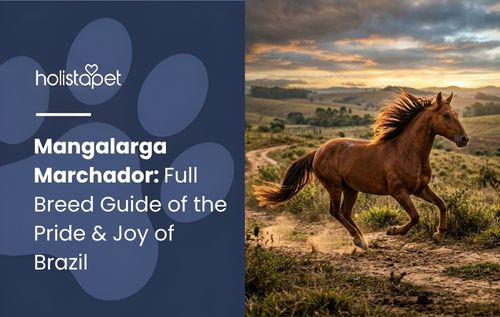
This Brazilian horse breed has earned many accolades. Recognized as Brazil's national horse, it is celebrated for its smooth and comfortable marcha gaits. In 1994, the breed made history by setting the Guinness World Record for the longest endurance ride at 8,694 miles.
These horses are remarkably versatile. They can work cattle, compete in equestrian sports, excel in cross-country horsemanship, and handle long trail rides with ease. Their friendly and docile nature also makes them a popular choice for families and riders of different experience levels.
Horse Characteristics
Native to Brazil, these gaited horses are among the country's most treasured breeds. More than half a million are found there, while only a small number are registered in the United States, making them relatively rare outside their homeland.
The breed is medium-sized with a deep chest, long back, muscular hindquarters, a sloping croup, and durable hooves. These physical traits make it well-suited for trail riding and endurance work.
Mangalarga Marchador Horse Size
Stallions generally stand between 14.2 and 15.2 hands (147–157 cm), with an ideal height of around 15 hands (152 cm).
Mares are usually slightly smaller, measuring between 13.3 and 15.1 hands (140–154 cm), with an ideal height of approximately 14.1 hands (146 cm).
Signature Gaits
One of the breed's defining features is its naturally smooth movement. Many experts believe these horses inherited traits from the historic Spanish Jennet, making them one of its closest surviving descendants.
In addition to the traditional walk and canter, they perform two distinctive marcha gaits:
- Marcha Batida: A four-beat diagonal gait similar to a foxtrot.
- Marcha Picada: A four-beat lateral gait valued for its exceptional smoothness.
These movements provide a comfortable ride, especially over long distances.
Mangalarga Marchador History
The Mangalarga Marchador has a storied history dating back to the 1700s in Spain. Gabriel Francisco Junqueira, the Baron of Alfenas, was the first to develop the breed. It all started with a Lusitano Alter Real stallion named Sublime.

Breed Inspection
Maintaining breed standards is an important tradition. To receive official registration, each horse must pass an inspection conducted by a recognized breed association.
In North America, this process is overseen by the United States Mangalarga Marchador Association (USMMA).
Mangalarga Marchador Naming
Each Marchador horse has a unique first and last name. This surname reflects the farm where they were bred. It can be placed first, second, or accompanied with a "de," "do," or "da" (meaning "from"). Sometimes it's simply the farm's initials. For example, a horse bred in Miami would include "de Miami"; e.g., Chester de Miami.

How to Care for This Brazilian Breed
Like all horses, these animals thrive with proper nutrition, regular exercise, grooming, and routine veterinary care.
Because they were originally developed as working cattle horses, they benefit from consistent physical activity. Their athletic ability and smooth gait make them especially well-suited for endurance riding and long trail adventures.
Mangalarga Marchador Horse Training
Mangalarga Marchadors respond well to training due to their intelligence. As a result, they are incredibly versatile and often achieve excellent results in competitions.
Although they are naturally inclined to work with cattle, you can train them to perform in many sports and activities, like:
- Endurance riding
- Trail riding
- Jumping
- Polo
- Brazilian functional trials
- Cross-country horsemanship
Nutrition and Feeding for a Mangalarga Marchador Horse
Nutrition and diet are the key to a healthy horse. According to the American Association of Equine Practitioners (AAEP), the best and most natural nutrition is long-stem forage, such as fresh grass. If the grass is not available, you should place hay in front of the horse to mimic natural grazing. Generally, horses should consume at least 1% of their body weight each day in forage.
Forage alone is an incomplete diet, and horses should also receive vitamin and mineral supplements and fortified grains. Make sure to talk to an equine veterinarian to meet your horse's specific nutrition needs!
Related: What Do Horses Eat? Top Feeding Guide for Healthy Horses
Coat Color And Grooming
Marchadors come in most solid colors, but the most prominent are:
- Gray
- Bay
- Chestnut
- Pinto
However, breed association does not accept all colors or mixed colors. For example, Appaloosa and albino Marchador horses are automatically disqualified.
Mangalarga Marchador Health Problems
A Marchador's health can suffer if they're on an improper diet or not getting enough exercise. In general, controlling intake and diet is imperative for good horse health.
Some common health problems a Marchador can have include:
- Equine Metabolic Syndrome (EMS): EMS is common in overweight horses. Common symptoms include obesity, laminitis, insulin resistance, infertility, and increased appetite. The good news is that treatment is pretty simple: changes in diet and more exercise.
- Polysaccharide Storage Myopathy (PSSM): PSSM is linked to abnormal sugar storage within the muscles. Symptoms may include stiffness, sweating, and reduced mobility. Appropriate dietary management and maintaining a healthy weight may help support horses living with this condition.

How to Find and Purchase This Breed
Because these horses remain relatively uncommon outside Brazil, finding one may require patience and research.
International equine marketplaces often list available animals, breeding stock, and frozen semen. Prices can vary depending on age, bloodline, and training. Frozen semen may cost around $1,000, foals approximately $6,000, and mares up to $17,000.
More About This Horse Breed
This Brazilian breed combines a distinguished history with exceptional athletic ability. Its smooth movement, impressive endurance, and adaptable nature have helped it gain admirers around the world.
Brazilian breeders often describe it as "a breed without frontiers," reflecting its growing international popularity.
FAQs
What Is a Mangalarga Marchador?
This Brazilian horse breed is widely recognized for its smooth gaits, gentle temperament, and impressive endurance. Often called Brazil's national horse, it remains one of the country's most popular gaited breeds and continues to attract enthusiasts around the world.
What Makes This Breed Different From Other Horse Breeds?
One of its most distinctive traits is its naturally smooth movement. Instead of relying heavily on the trot, these horses perform unique marcha gaits that provide a more comfortable ride, making them a popular choice for both recreation and long-distance travel.
Why Is It Called Brazil's National Horse?
The breed earned this reputation because of its deep historical roots and lasting influence on Brazilian equestrian culture. Generations of selective breeding helped shape a versatile horse that remains an important part of the country's heritage.
What Are the Unique Gaits?
The two signature movements are the marcha batida and marcha picada. These smooth, four-beat gaits often feature moments of triple support, where three hooves touch the ground at the same time, creating a comfortable and balanced ride.
What Is the Temperament Like?
These horses are generally known for being calm, friendly, and willing to work. Their trainable nature and gentle disposition make them suitable for families, beginners, and experienced riders alike.
Where Did the Breed Originate?
The breed was developed in Brazil, with ancestry tracing back to Portuguese horses imported by early settlers. Over time, breeders crossed these bloodlines with local mares to create the versatile horse seen today.
Who Founded the Breed?
Its development is largely credited to Gabriel Francisco Junqueira, the Baron of Alfenas. He used a Lusitano Alter Real stallion named Sublime to establish the foundation bloodline.
How Big Is a Typical Horse of This Breed?
Most are medium-sized. Stallions generally stand between 14.2 and 15.2 hands, while mares are usually a bit smaller. Their balanced conformation contributes to both athletic ability and versatility.
Are They Good Endurance Horses?
Yes. These horses are internationally recognized for their stamina and long-distance capabilities. Their efficient gait, strong build, and hardy nature allow them to travel comfortably over extended distances, helping establish the breed's worldwide reputation.







Leave a comment
All comments are moderated before being published.
This site is protected by hCaptcha and the hCaptcha Privacy Policy and Terms of Service apply.