


Cats in heat do not feel pain, but they can seem restless and uncomfortable. Many owners mistake these behaviors for distress. Clear signs and simple care steps can help keep a cat calm during this stage.
Are Cats in Pain When They’re Heating?

No. Cats do not experience pain during heat, but female cats go through strong hormonal changes that drive intense behaviors like calling, restlessness, and frequent attempts to escape.
According to the American Society for the Prevention of Cruelty to Animals, these signs link to mating instincts, not physical pain. Male cats do not go into heat, but they react to nearby females by becoming more aggressive, vocal, and driven to roam.
These behaviors come from heightened testosterone levels, which push mating behavior rather than signal discomfort.
How Long Do Cats Go Through Heating?

Female cats stay in heat for about four to seven days, though some cycles can last up to ten days. If no mating occurs, the cycle can repeat every two to three weeks during the breeding season.
The American Veterinary Medical Association notes that this pattern continues until the cat mates or the season ends. Male cats do not have cycles, but they can show mating behavior year round when they sense a female in heat nearby.
Related Post: Do Cats Feel Pain? Understanding Feline Discomfort
How Do I Care for a Cat in Heat?

Caring for a cat in heat focuses on calming behavior, preventing escape, and supporting comfort. Quick, targeted steps help manage this phase safely.
|
Care Area |
What to Do |
Benefit |
|
Safety |
Keep indoors |
Prevents mating and escape |
|
Environment |
Reduce noise |
Lowers stress levels |
|
Comfort |
Provide warmth |
Helps relaxation |
|
Activity |
Increase play |
Redirects excess energy |
|
Hygiene |
Clean litter often |
Reduces marking issues |
|
Calming Support |
Use pheromones or CBD |
Supports stable behavior |
1. Keep Your Cat Indoors
Prevent access to the outside since cats in heat actively try to find a mate.
- Secure doors, windows, and screens
- Avoid leaving entry points open
- Supervise when near exits
2. Reduce Stress Triggers
A calm setting helps limit agitation and excessive vocalization.
- Keep the home quiet and stable
- Limit exposure to other animals
- Provide a private resting area
The American Association of Feline Practitioners states that reducing environmental stress improves behavior during hormonal changes.
3. Provide Warm, Soothing Spots
Warmth can relax the body and reduce restlessness.
- Place a warm towel or pad in their bed
- Offer soft surfaces for comfort
- Let the cat settle in a cozy space
4. Increase Playtime and Engagement
Redirect energy to reduce persistent mating behaviors.
- Use interactive toys daily
- Keep sessions short and frequent
- Focus on activities that encourage movement
5. Keep the Litter Box Clean
Cats may mark more often during this time.
- Scoop waste several times a day
- Keep the area clean and odor free
- Add another litter box if needed
6. Support Calm Behavior Naturally
Some calming methods can help balance mood and reduce intensity.
- Use feline pheromone diffusers
- Try gentle calming supplements
- Consider CBD products made for pets
At Holistapet, CBD options like calming chews support relaxation without causing sedation. These products help ease tension and support overall balance during this phase.
Related Post: How To Calm a Cat in Heat [Basic Home Remedies]
How Do I Prevent Unexpected Pregnancy for Heating Cats?
Preventing unexpected pregnancy requires strict control and proactive care during heat. Limiting access to males and planning long term solutions remain the most effective steps.
- Keep your cat strictly indoors: Eliminate all chances of contact with male cats since even brief exposure can lead to mating.
- Secure all exits: Check doors, windows, and screens since cats in heat often try to escape persistently.
- Separate from male cats: Keep intact males in a completely different area of the home to avoid contact.
- Avoid outdoor roaming: Do not allow supervised outdoor time since mating can happen quickly.
- Use physical barriers: Install door guards or barriers in high risk areas to block access points.
- Monitor behavior closely: Watch for escape attempts since heat increases determination and activity.
- Schedule spaying early: The American Veterinary Medical Association recommends spaying as the most reliable way to prevent pregnancy and reduce heat cycles.
Can Spaying or Neutering Help with Feline Heating?
Spaying and neutering stop heat cycles and eliminate mating driven behaviors. Spaying removes the ovaries and uterus, which ends hormonal cycling in female cats. Neutering removes the testes in males, which lowers testosterone and reduces mating instincts.
The American Veterinary Medical Association states that these procedures provide the most effective way to prevent unwanted reproduction and related behaviors.
Spaying offers direct benefits for female cats.
- Ends heat cycles completely.
- Stops behaviors like vocalizing and restlessness.
- Prevents pregnancy.
- Lowers risk of uterine infections and mammary tumors.
Neutering helps manage male behavior linked to nearby females.
- Reduces roaming and escape attempts.
- Decreases urine marking.
- Lowers aggression driven by mating instincts.
Veterinarians also highlight long term health improvements. Research from the American Animal Hospital Association links spaying and neutering to longer lifespans and reduced risk of certain diseases.
Related Post: How To Tell if a Cat Is in Pain: Warning Signs + Solutions
When Do I Take My Cat to the Vet When They’re Heating?

Take your cat to the vet during heat if behavior becomes extreme, prolonged, or unusual. Heat itself does not require emergency care, but certain signs can point to underlying issues that need medical attention.
Watch for warning signs that go beyond typical heat behavior.
- Persistent heat lasting longer than two weeks.
- Signs of pain such as lethargy or loss of appetite.
- Unusual discharge or bleeding.
- Sudden aggression or severe distress.
- Frequent urination with signs of discomfort.
The American Veterinary Medical Association notes that extended or abnormal cycles can signal hormonal imbalances or reproductive conditions.
Schedule a vet visit for long term care planning.
- Discuss spaying to stop future cycles.
- Ask about safe timing for the procedure.
- Review overall reproductive health.
Early guidance helps prevent complications and supports better long term outcomes.
Cats Need TLC When They’re Heating
Cats in heat do not feel pain, but they need proper care and close supervision. Simple steps can manage behavior, prevent risks, and support overall well being. Consistent care and timely vet guidance make this phase easier for both the cat and the owner.
Continue browsing cat care blogs.
Frequently Asked Questions
Can cats go into heat after giving birth?
Yes. Cats can return to heat as early as a few weeks after giving birth if not spayed.
Do indoor cats still go into heat?
Yes. Indoor cats follow the same hormonal cycles and can go into heat regularly without mating.
Can a cat get pregnant during her first heat?
Yes. A cat can become pregnant during the first heat cycle once she reaches sexual maturity.
Do cats eat less when in heat?
Some cats show reduced appetite due to hormonal changes and increased focus on mating behavior.
Can heat cycles stop on their own?
Heat cycles pause temporarily but return unless the cat mates or gets spayed.
Do all cats show the same heat behaviors?
No. Behavior intensity varies based on age, breed, and individual temperament.
 CBD Oil for Cats - Fast Acting
 Salmon Flavored CBD Oil For Cats - Easy Dose
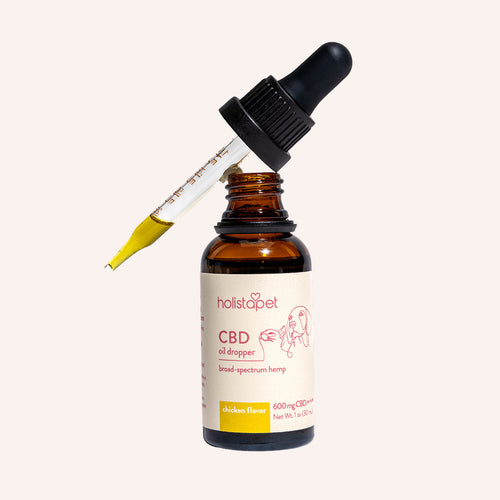 Chicken Flavored CBD Oil for Cats - Highly Rated
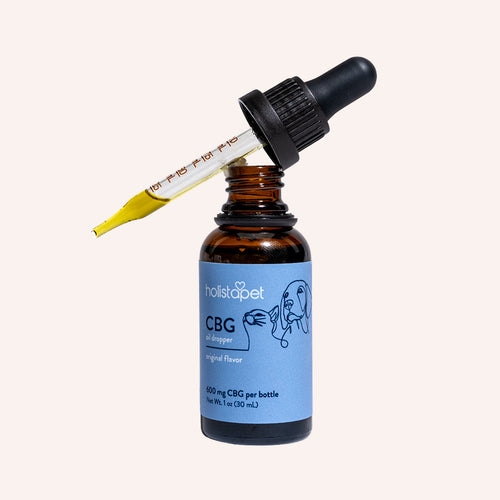 CBG Oil for Dogs and Cats - Loved by Thousands









Leave a comment
All comments are moderated before being published.
This site is protected by hCaptcha and the hCaptcha Privacy Policy and Terms of Service apply.