


A quick look at a cat’s gums can reveal a lot about its health. Healthy gums should appear soft pink and moist. Pale, white, blue, bright red, or yellow tones can signal trouble and call for attention.
Knowing what each shade means helps catch problems early and keeps a cat safe.
How Does Gum Color Indicate My Cat’s Health?
Gum color reflects how well blood circulates and how much oxygen flows through a cat’s body. Healthy tissue needs steady oxygen and proper hydration. When something disrupts that balance, the gums change shade.
A normal tone signals stable circulation. Any shift in color often points to stress within the body.
Gum color can reveal issues related to:
-
Blood loss
-
Oxygen levels
-
Hydration status
-
Circulatory function
-
Organ health
The mouth contains many tiny blood vessels close to the surface. Because of this, gum tissue reacts quickly to internal changes. That makes it one of the fastest visual clues to overall wellness.
A simple gum check can help detect concerns early, sometimes before other symptoms appear.

Is It Important to Regularly Check My Cat’s Gums?
Yes. Regular gum checks help spot health problems early and can prevent serious complications.
-
Early detection: Color changes can signal internal issues before visible symptoms develop.
-
Emergency awareness: Unusual shades can indicate urgent conditions that need fast action.
-
Health monitoring: Consistent checks help track changes over time.
-
At home assessment: Quick inspections support informed decisions about veterinary care.
-
Peace of mind: Normal pink gums confirm stable circulation and oxygen flow.
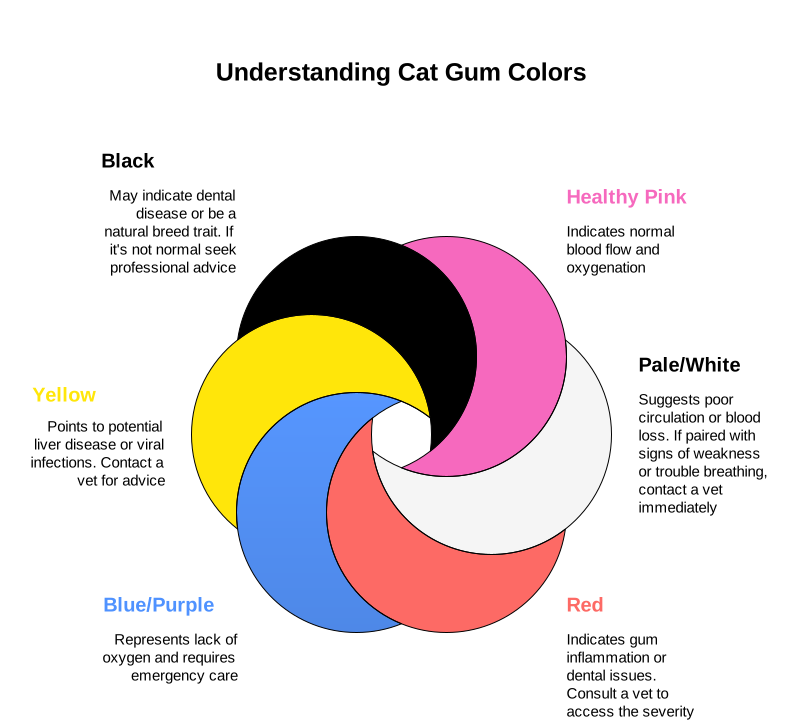
Cat Gum Color Chart
|
Gum Color |
What It May Signal |
Common Signs to Watch |
Action Level |
|
Pink |
Normal circulation and oxygen flow |
Even tone, moist surface, no swelling |
Routine monitoring |
|
Pale Pink or White |
Reduced blood flow or possible blood loss |
Weakness, low energy, possible anemia signs |
Urgent evaluation |
|
Blue or Purple |
Low oxygen levels |
Breathing difficulty, cold extremities |
Emergency care |
|
Bright Red |
Inflammation or overheating |
Fever, swollen gums, discomfort |
Prompt veterinary visit |
|
Yellow |
Possible liver related concern |
Yellowing of eyes, low appetite, vomiting |
Immediate veterinary care |
|
Brown or Black Spots |
Natural pigmentation in some cats |
Flat, consistent spots; no texture change |
Monitor for changes |
How Do I Properly Check My Cat’s Gums?
A quick gum check takes less than a minute and can spot early warning signs.
Step #1: Choose a calm moment, such as after a meal or during a relaxed cuddle.
Step #2: Place the cat on a stable surface and keep the body supported to reduce squirming.
Step #3: Gently lift the upper lip on one side to expose the gum line above the teeth.
Step #4: Look at the color and moisture level, aiming for a light pink tone and a slightly glossy surface.
Step #5: Press a fingertip lightly on the gum for one second, then release and watch the color return.
Step #6: Count the refill time, which should return to pink quickly, usually within about two seconds.
Step #7: Repeat the check on the other side to confirm the color looks consistent.
Step #8: Stop right away if signs of pain appear, such as pulling away, growling, or sudden snapping.
Step #9: Record any unusual color, dryness, swelling, bleeding, or sores so changes stay easy to track.

When Do I Contact My Vet for My Cat’s Gum Color?
Contact a veterinarian immediately if the gums show abnormal colors or sudden changes. Gum discoloration often signals an urgent internal issue.
Seek emergency care right away if gums appear:
-
White or very pale
-
Blue or purple
-
Yellow
-
Bright red with swelling
-
Gray or muddy in tone
Act fast if color changes come with symptoms such as:
-
Labored breathing
-
Extreme weakness
-
Collapse
-
Ongoing vomiting
-
Refusal to eat
-
Rapid heart rate
Schedule a prompt appointment if gums look slightly off but the cat still acts normal. Early evaluation can prevent serious complications.
Trust visible changes. Healthy gums stay consistently pink and moist. Any noticeable shift deserves attention.

How Do I Maintain Healthy Gums for My Cat?
Support oral care daily and schedule regular veterinary visits to keep gums pink and resilient.
1. Brush the Teeth Consistently
Brush with a cat safe toothbrush and feline toothpaste several times a week. Routine cleaning reduces plaque and lowers the risk of gum inflammation.
2. Schedule Routine Veterinary Exams
Book professional dental checks at least once a year. Early detection prevents minor buildup from turning into serious disease.
3. Provide Dental Friendly Products
Offer vet approved dental treats or toys that help reduce plaque through chewing. Choose products designed for oral health support. HolistaPet's CBD Cat Treats combine full-spectrum hemp extract with natural ingredients that actively reduce gum inflammation and calm oral sensitivity. Each treat delivers a precise dose of CBD, which binds to receptors in the endocannabinoid system to ease discomfort during brushing and dental exams. Cats that resist oral handling respond more calmly with consistent use, making weekly gum checks easier and more effective.
4. Feed a Balanced Diet
Serve high quality nutrition that supports immune strength and tissue health. Proper nutrients from food and treats help maintain strong gum structure.
5. Monitor the Mouth Regularly
Lift the upper lip once a week and scan for swelling, sores, or color shifts. Record anything unusual and bring notes to the next vet visit.
Pink, moist gums confirm stable circulation. Any color shift calls for a closer look. Consistent home checks and annual vet visits catch problems before they escalate.
Adding natural wellness products to your cat's routine can also support their gum health. HolistaPet offers a trusted line of hemp-based cat products, including CBD Cat Treats and Calming CBD Oil for Cats. Both products support relaxation, ease oral sensitivity, and strengthen daily wellness routines for cats.
Frequently Asked Questions
Can gum color change after a cat eats or plays?
Yes. Mild temporary redness can appear after eating or active play due to increased blood flow. The color should return to normal pink within a short time.
Do kittens have different gum colors than adult cats?
Kittens should also have light pink gums. Very pale or unusual shades still require attention, regardless of age.
Can stress affect a cat’s gum appearance?
Severe stress can impact circulation and breathing, which may alter gum tone. Any noticeable discoloration during stress should prompt close monitoring.
Are dry gums a concern even if the color looks normal?
Yes. Healthy gums should feel moist and smooth. Dry or tacky texture can signal dehydration, even if the shade remains pink.
Does breed influence natural gum pigmentation?
Some cats have naturally darker skin pigmentation, which can create dark spots. Uniform, flat pigment often stays normal, but new or changing areas need evaluation.
How often should gum checks become part of a routine?
A quick check once a week supports early detection and helps track subtle changes over time.
 CBD Oil for Cats - Fast Acting
 Salmon Flavored CBD Oil For Cats - Easy Dose
 Chicken Flavored CBD Oil for Cats - Highly Rated
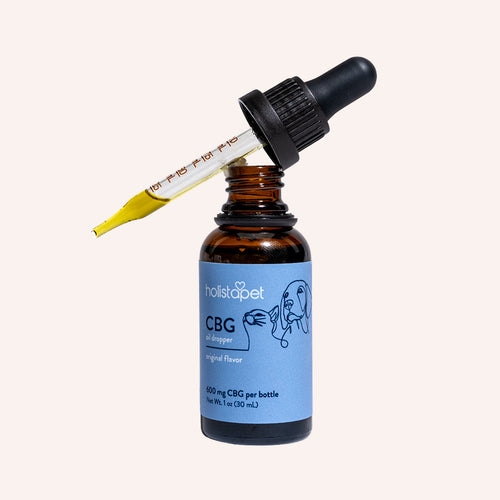 CBG Oil for Dogs and Cats - Loved by Thousands










Leave a comment
All comments are moderated before being published.
This site is protected by hCaptcha and the hCaptcha Privacy Policy and Terms of Service apply.