


Cats rarely cry out when they hurt. Instead, they change how they sit, stand, and lie down. A hunched back, a tight curl, or a stiff posture often signals pain. Spotting these body language changes early helps protect a cat from worsening health issues.
Do Cats Hide Pain?
Yes. Cats instinctively hide pain to avoid appearing weak. In the wild, predators target vulnerable animals, so cats learned to mask discomfort. Instead of vocalizing, they show subtle changes in posture, movement, and behavior.
Why Do Cats Hide Pain?
Cats hide pain to protect themselves from threats. In the wild, visible weakness attracts predators and rivals. This survival instinct remains strong, so even indoor cats conceal discomfort instead of drawing attention to it.
How to Know If Your Cat is in Pain?
Look for clear changes in posture, movement, and daily habits. Cats show pain through body language and behavior shifts.
-
Limping: Favors one leg or avoids putting weight on it.
-
Reduced movement: Hesitates to jump, climb, or walk.
-
Hiding more than usual: Seeks isolation to cope with discomfort.
-
Changes in grooming: Overgrooms one spot or stops grooming altogether.
-
Altered appetite: Eats less or avoids food due to pain.
- Growling or irritability: Reacts negatively to touch or interaction.
Related Post: Cat Ear Position Meaning: See How Cats' Ears Communicate
What are the Common Cat in Pain Positions?

Cats show pain through protective and tense postures. Watch for these specific positions.
1. Hunched Back Position
A cat arches the back and lowers the head to guard the abdomen.
-
Back curves upward
-
Head stays down
- Body looks tense
2. Tight Loaf Position
A cat tucks the paws tightly under the chest instead of resting loosely.
-
Paws hidden firmly under body
-
Elbows pulled inward
- Minimal movement
3. Crouched Stance

A cat keeps the body low and tight to the ground.
-
Belly close to floor
-
Legs bent and stiff
- Ready to retreat
4. Curled Up Tightly
A cat curls into a compact ball to protect sensitive areas.
-
Tail wrapped tightly
-
Head tucked in
- Muscles rigid
5. Lying on One Side Without Moving
A cat stays still and avoids shifting positions.
-
Limited movement
-
Slow or shallow breathing
- Reluctance to stand
6. Stiff Standing Posture
A cat stands rigidly instead of relaxing.
-
Legs straight and braced
-
Minimal tail movement
- Hesitates to walk
What are the Common Causes of Pain in Cats?

Injuries, illness, and chronic conditions most often cause pain in cats.
-
Injuries: Sprains, fractures, bites, or falls cause sudden discomfort.
-
Arthritis: Joint inflammation leads to stiffness and reduced mobility.
-
Dental disease: Infected gums or broken teeth trigger mouth pain.
-
Urinary tract issues: Infections or blockages cause abdominal strain.
-
Gastrointestinal problems: Constipation, inflammation, or obstructions create belly pain.
-
Post surgery soreness: Healing tissues remain tender for days or weeks.
-
Infections: Bacterial or viral illnesses cause body aches and fever.
- Cancer: Tumors press on organs or nerves and create ongoing pain.
How Do I Care for My Cat’s Discomfort?

Act quickly, reduce stress, and seek veterinary guidance to manage pain safely.
-
Schedule a vet visit: Get a proper diagnosis and treatment plan.
-
Follow prescribed medication: Give the exact dose on time.
-
Create a quiet space: Offer a warm, low traffic resting area.
-
Limit movement: Prevent jumping or climbing during recovery.
-
Adjust litter and food access: Place essentials within easy reach.
-
Monitor daily behavior: Track posture, appetite, and activity changes.
- Avoid human pain relievers: Never give over the counter drugs without veterinary approval.
Best Nutritional Support for Pain in Felines

Nutritional CBD supplements can support joint comfort, mobility, and daily physical ease in cats. Holistapet offers feline specific options designed for consistent wellness support.
|
Product |
Format |
Serving Style |
Flavor |
Best For |
Mobility Support |
|
CBD Cat Treats |
Soft chew |
Pre measured |
Salmon |
Easy daily use |
Yes |
|
CBD Capsules |
Capsule |
Fixed per capsule |
Neutral |
Precise portion control |
Yes |
|
Chicken CBD Oil |
Liquid |
Adjustable by drop |
Chicken |
Flexible serving needs |
Yes |

Holistapet CBD Cat Treats
These soft chews deliver broad spectrum CBD in a salmon flavored formula cats enjoy. They support joint flexibility and everyday comfort, especially in cats that move less, hesitate to jump, or show stiffness.
Cats that hold a tight loaf position or hesitate before jumping benefit most from daily soft chew use, because consistent CBD intake supports joint flexibility over time.
Key ingredients:
- Broad spectrum hemp derived CBD
- Natural salmon flavor
- Grain free plant based formula
How it works:
CBD supports the endocannabinoid system, which helps regulate balance related to mobility and physical comfort. Daily use helps maintain normal movement.
Application method:
- Give directly as a treat
- Offer during meals
- Follow weight based directions
Benefits:
- Pre measured servings
- Easy daily routine
- Supports joint flexibility
- Appealing taste
Holistapet CBD Capsules for Cats
These capsules provide precise CBD servings for structured nutritional support. They work well for cats that resist flavored products and for guardians who prefer exact portion control. Consistent use supports mobility and age related stiffness.
These capsules work best for cats showing a stiff standing posture or chronic age-related stiffness, because each capsule delivers an exact CBD amount that supports a structured daily comfort routine.
Key ingredients:
- Broad spectrum hemp derived CBD
- Hemp seed powder
- Vegan capsule shell
How it works:
Each capsule delivers a consistent amount of CBD to support internal balance linked to comfort and flexibility.
Application method:
- Place capsule in soft food
- Open and mix contents into meals
- Follow labeled serving guide
Benefits:
- Accurate dosing
- Flavor neutral
- Simple to mix with food
- Supports daily comfort

Holistapet Chicken Flavored CBD Oil for Cats
This liquid CBD oil allows flexible serving control. It supports mobility and physical ease in cats that show slower movement or stiffness. The chicken flavor encourages steady use.
This oil suits cats displaying a hunched back or crouched stance, because the adjustable drop serving allows caregivers to fine-tune support based on the cat's size and daily activity level.
Key ingredients:
- Broad spectrum hemp derived CBD
- MCT coconut oil
- Natural chicken flavor
How it works:
The liquid absorbs efficiently when added to food or given directly. CBD supports balance in systems linked to movement and comfort.
Application method:
- Add measured drops to food
- Administer directly by mouth
- Adjust per weight guidelines
Benefits:
- Adjustable serving size
- Flexible use
- Suitable for various sizes
- Supports mobility and wellness
Final Thought
Cats communicate pain through posture and behavior, not loud cries. Watch for body language changes, act quickly, and seek proper care to protect long term health and comfort.
Frequently Asked Questions
Can a cat purr while in pain?
Yes. Cats sometimes purr to soothe themselves when stressed or uncomfortable, not just when they feel content.
How long can a cat stay in a pain position?
A cat may hold a tense or guarded posture for hours if discomfort continues. Persistent stiffness signals a need for veterinary evaluation.
Does age increase the risk of pain in cats?
Yes. Senior cats face higher risk of joint stiffness, dental problems, and chronic conditions that affect comfort and mobility.
Can stress make pain signs worse?
Yes. Stress can increase muscle tension and behavioral changes, which may intensify visible discomfort.
When should a cat see a vet for suspected pain?
Seek veterinary care immediately if pain signs last more than a day, worsen quickly, or include difficulty breathing, vomiting, or inability to stand.
 CBD Oil for Cats - Fast Acting
 Salmon Flavored CBD Oil For Cats - Easy Dose
 Chicken Flavored CBD Oil for Cats - Highly Rated
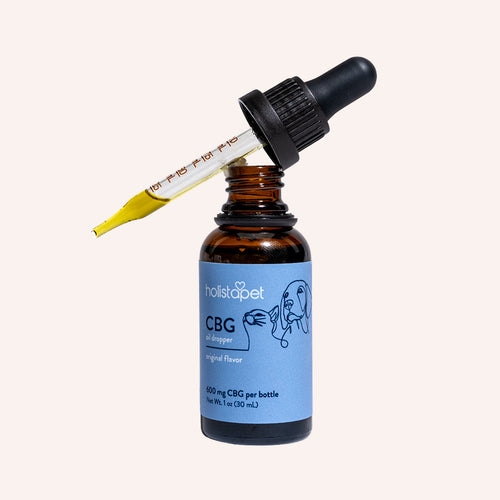 CBG Oil for Dogs and Cats - Loved by Thousands









1 comment
Linda Babashoff
I’ve tried everything with my female cat who used to tolerate the other 3cats and now she just growels at them if they come near her or walk by and she’s been biting me randomly like if I pet her but then she will come lay on me for a bit then leave but she’s making all the other cats anxious and scared and nothing works
Leave a comment
All comments are moderated before being published.
This site is protected by hCaptcha and the hCaptcha Privacy Policy and Terms of Service apply.