


A cat that keeps pacing can signal stress, boredom, or an underlying health issue. This behavior often leaves owners confused and worried about what their pet needs. Understanding the cause can help bring calm back to both the cat and the home.
Why is My Cat Pacing?
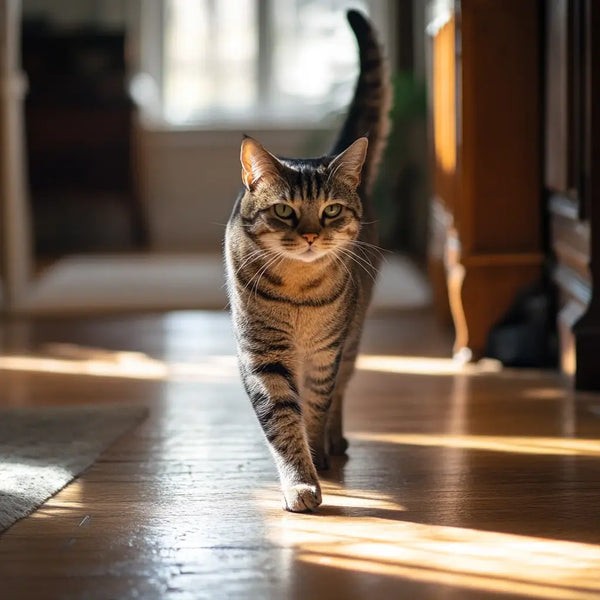
Cats pace for different reasons, and the behavior can fall within normal limits in some cases. A cat may walk back and forth when it feels bored, hungry, or full of energy.
Frequent or intense pacing, especially with vocalizing or restlessness, often signals stress, anxiety, or a medical issue that needs attention.
When Should I Worry About My Cat’s Pacing?
Occasional pacing does not raise concern, especially if it happens around feeding time or play. However, when cbd support is considered, sudden changes in behavior or constant movement may signal a need for closer attention and possible calming intervention.
Watch for these signs that point to a problem:
- Pacing that happens often or lasts for long periods
- Loud or repeated vocalizing while walking
- Signs of distress such as hiding, aggression, or clinginess
- Changes in eating, drinking, or litter box habits
Physical symptoms can also indicate a medical issue:
- Weight loss or reduced appetite
- Vomiting or diarrhea
- Trouble walking or signs of pain
- Disorientation or confusion
Why Do Cats Pace?

Pacing usually points to an unmet need or internal discomfort. The cause can range from simple habits to conditions that require medical care.
Hunger or Anticipation
Cats often pace when they expect food or a routine event. This behavior links to learned patterns, especially if feeding times stay consistent each day. The movement reflects anticipation rather than distress.
Boredom or Excess Energy
Indoor cats may pace when they lack stimulation. Limited play, few toys, or no environmental enrichment can lead to restless movement. The American Association of Feline Practitioners notes that mental and physical stimulation play a key role in preventing repetitive behaviors.
Stress or Anxiety
Changes in the home can trigger pacing. New pets, unfamiliar people, loud noises, or shifts in routine can make a cat feel unsafe. Pacing helps release tension, but it signals emotional discomfort that needs attention.
Mating Behavior
Unspayed females may pace and vocalize during heat cycles. This behavior often appears with restlessness and attempts to escape. Hormonal changes drive the movement.
Aging and Cognitive Decline
Repetitive pacing and disorientation in senior cats can reflect feline cognitive dysfunction, a well-recognized neurodegenerative condition in aging felines and one of the common signs of cognitive dysfunction as they age. Feline cognitive dysfunction affects memory and awareness, often leading to confusion, altered behavior, and reduced responsiveness. Cornell University College of Veterinary Medicine links repetitive walking and aimless movement to age-related cognitive changes.
Pain or Medical Conditions
Health issues can lead to constant pacing. Feline hyperthyroidism occurs when the thyroid gland produces excess hormones, which can lead to increased energy, restlessness, weight loss, and changes in appetite, especially in older cats. The American Veterinary Medical Association states that hyperthyroidism often causes increased movement, weight loss, and agitation. Pain from arthritis or injury can also make a cat unable to settle.
Neurological Problems
Brain related conditions can disrupt normal behavior. Seizures, infections, or tumors may cause disorganized pacing or circling. These cases often include confusion or lack of coordination.
Pregnancy or Nesting Behavior
Pregnant cats may pace as they search for a safe place to give birth. This behavior often appears near the end of pregnancy and reflects instinct rather than distress.
When Do I Take My Cat to the Vet for Pacing?

Take a cat to the vet when pacing becomes frequent, intense, or unusual. Sudden changes in behavior often signal an underlying issue that needs medical evaluation.
Seek veterinary care right away if pacing appears with:
- Disorientation or confusion
- Loss of balance or coordination
- Continuous vocalizing that sounds distressed
- Refusal to eat or drink
Watch for physical warning signs:
- Rapid weight loss
- Vomiting or diarrhea
- Signs of pain such as limping or sensitivity to touch
- Changes in litter box use
Schedule a checkup if pacing:
- Starts without a clear trigger
- Disrupts sleep or daily routines
- Continues despite changes in environment or routine
Early evaluation helps identify medical or behavioral causes and prevents the condition from worsening.
How Can I Help a Restless Cat?
Restless pacing improves once the root cause gets addressed. Focus on meeting physical, mental, and emotional needs while ruling out health concerns.
|
Area |
What to Do |
Why It Helps |
|
Activity |
Daily interactive play |
Burns excess energy |
|
Routine |
Consistent feeding and sleep schedule |
Builds security |
|
Environment |
Quiet, enriched living space |
Reduces stress triggers |
|
Natural Support |
CBD treats or chews |
Promotes calm behavior |
|
Rest Areas |
Comfortable, accessible spots |
Encourages relaxation |
|
Monitoring |
Track behavior patterns |
Helps identify causes |

Increase Daily Stimulation
Cats need consistent activity to stay balanced. Regular play helps burn energy and reduces repetitive movement.
- Use wand toys or laser pointers for short sessions
- Rotate toys to keep interest high
- Add climbing spaces like cat trees or shelves
The American Association of Feline Practitioners highlights environmental enrichment as essential for preventing stress related behaviors.
Create a Predictable Routine
Cats feel secure with consistency. Stable schedules reduce anxiety driven pacing.
- Feed at the same times each day
- Keep play and sleep routines consistent
- Avoid sudden changes in environment
Reduce Stress Triggers
Identify and remove sources of tension in the home. Small adjustments can calm a restless cat.
- Provide quiet hiding spots
- Limit exposure to loud noises
- Introduce new pets or people slowly
Support Calm Behavior Naturally
Some cats need extra support to relax. Natural options can help ease tension without heavy sedation.
- Research suggests cannabinoids influence stress-response pathways in companion animals, which may support calmer behavior when used alongside veterinary guidance.
- A 2019 study published in Frontiers in Veterinary Science found that cannabinoids can influence anxiety and stress responses in animals
Veterinarians commonly discuss cannabidiol products with pet owners for anxiety-related behaviors in companion animals, although responses vary between individuals. These options fit easily into daily routines and help cats settle without disrupting normal behavior.
Encourage Safe Resting Areas
Cats pace when they struggle to settle. Comfortable spaces can improve rest.
- Use soft bedding in quiet areas
- Place resting spots near warm or enhanced locations
- Keep food, water, and litter boxes easily accessible
Monitor and Adjust Based on Behavior
Track patterns to understand what helps. Small changes can lead to noticeable improvements.
- Note when pacing happens most
- Adjust playtime or feeding based on patterns
- Seek veterinary advice if no improvement appears
Watch Your Cat’s Restless Behavior
Cat pacing points to a clear need, not random behavior. Identifying the cause and responding early helps restore comfort, reduce stress, and support long-term health.
Frequently Asked Questions
Do cats pace more at night?
Yes. Cats often become more active at night due to natural instincts. Night pacing can increase with excess energy or lack of daytime activity.
Does diet influence pacing behavior?
Yes. Poor nutrition or irregular feeding can lead to restlessness. Balanced meals and consistent feeding times help stabilize behavior.
Can home changes trigger pacing in cats?
Yes. Cats rely on familiar spaces. Changes in layout can create confusion or stress, which may lead to pacing.
Do certain cat breeds show more pacing behavior?
Some high-energy breeds like Bengals or Siamese show more active behaviors. These cats need more stimulation to stay calm.
Can separation from an owner cause pacing?
Yes. Some cats form strong attachments. Absence can lead to anxiety driven movement, especially in sensitive cats.
Do vision or hearing problems lead to pacing?
Yes. Sensory decline can cause disorientation. Cats may walk repeatedly as they try to manage their surroundings.
Do temperature changes affect pacing behavior?
Yes. Extreme heat or cold can make a cat uncomfortable. Cats may move around more to find a comfortable spot.
Do weather changes make cats pace more?
Some cats react to pressure changes or sounds linked to weather shifts. This sensitivity can lead to restless behavior.









Leave a comment
All comments are moderated before being published.
This site is protected by hCaptcha and the hCaptcha Privacy Policy and Terms of Service apply.