

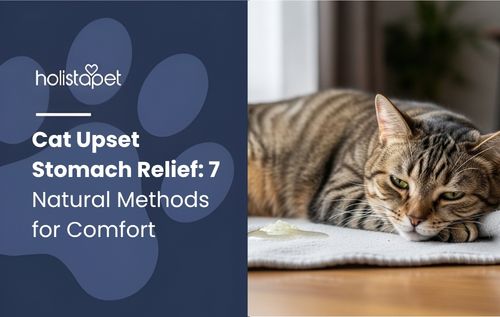
An upset stomach can make a cat vomit, refuse food, and act weak. Quick, natural care can ease discomfort and help restore normal digestion.
How Do I Know If My Cat Has an Upset Stomach?

A cat with an upset stomach shows clear changes in behavior and digestion. Watch for sudden shifts in appetite, energy, and litter box habits.
Common signs include:
- Vomiting or frequent gagging
- Diarrhea or loose stools
- Refusal to eat or reduced appetite
- Lethargy or low energy
- Hiding more than usual
Physical cues also help identify discomfort:
- Abdominal sensitivity when touched
- Excessive drooling
- Lip licking or repeated swallowing
- Mild bloating
Short episodes can pass with simple care. Ongoing or severe symptoms need attention. Seek veterinary help if vomiting persists, blood appears in stool, or the cat stops eating for more than a day.
What Do I Look for in My Cat’s Vomit?

Vomit can reveal what triggered the stomach issue. Check color, texture, and contents right away.
- Undigested food: Food sits whole or in chunks, often linked to eating too fast or sudden diet changes.
- Yellow or green liquid: Bile appears when the stomach stays empty too long or digestion gets disrupted.
- Clear foam: Light, bubbly fluid that points to mild irritation or hunger between meals.
- Hair or hairballs: Clumps of fur from grooming that irritate the stomach lining.
- White foam: Stomach acid buildup that signals minor inflammation or an empty stomach.
- Blood (red or dark): Fresh red streaks or dark specks that may indicate irritation, ulcers, or internal damage.
- Foul smell: Strong, rotten odor that suggests infection, spoiled food, or toxin intake.
What Do I Check If My Cat’s Having Diarrhea?
Diarrhea signals digestive upset and can lead to dehydration fast. Check stool changes and your cat’s overall condition right away.
- Stool consistency: Watery or very loose texture shows poor absorption in the gut.
- Stool color: Yellow, green, or black tones may point to bile issues or internal bleeding.
- Frequency: More frequent trips to the litter box indicate active irritation.
- Presence of blood or mucus: Red streaks or слизy coating suggest inflammation in the intestines.
- Odor: Strong, foul smell can signal infection or dietary intolerance.
- Hydration level: Dry gums or skin that stays lifted after pinching shows dehydration risk.
- Energy and behavior: Weakness, hiding, or reduced activity reflects worsening discomfort.
How Can I Help My Cat with Stomach Issues?

A few simple steps can calm your cat’s stomach and support recovery. Focus on gentle care, hydration, and gut support right away.
|
Area |
What to Do |
Why It Helps |
|
Food |
Bland diet in small portions |
Reduces strain on digestion |
|
Hydration |
Constant fresh water |
Prevents dehydration |
|
Gut support |
Probiotics and fiber |
Restores healthy bacteria |
|
Environment |
Calm and stable routine |
Limits stress triggers |
|
Supplements |
CBD support from Holistapet |
Helps manage discomfort |
|
Monitoring |
Track symptoms closely |
Detects serious issues early |
Let the Stomach Rest
Give the digestive system time to settle before adding more food.
- Short fasting period can reduce irritation in mild vomiting cases.
- Resume feeding slowly with small portions.
- Avoid fasting kittens due to higher risk.
A short food break helps reduce inflammation and allows the gut to recover, especially after vomiting episodes.
Switch to a Bland Diet
Use simple, easy to digest food to prevent further irritation.
- Boiled chicken or turkey with no seasoning.
- Small amounts of white rice if tolerated.
- Feed small, frequent meals instead of large portions.
Veterinary guidance highlights bland diets as a key step because they reduce digestive workload and support healing.
Keep Hydration a Priority
Fluid loss happens fast with vomiting or diarrhea.
- Provide constant access to fresh water.
- Offer small amounts often if your cat refuses to drink.
- Watch for dry gums or weakness as dehydration signs.
The Merck Veterinary Manual explains that fluid loss from diarrhea can quickly lead to dehydration and electrolyte imbalance in cats.
Support Gut Health Naturally
Restore balance in the digestive system.
- Add cat safe probiotics to support good bacteria.
- Use small amounts of plain pumpkin for fiber support.
- Avoid dairy or human food that worsens symptoms.
Probiotics help replenish healthy gut bacteria, which supports recovery after digestive upset.
Reduce Stress Triggers
Stress can directly affect digestion.
- Keep feeding times consistent.
- Provide a quiet resting space.
- Limit sudden diet or environment changes.
Veterinarian Dr. Alison Birken notes that stress can trigger vomiting and diarrhea in cats through digestive disruption.
Use CBD for Digestive Support
CBD can help manage discomfort and support balance when used correctly.
Some veterinary-formulated hemp-derived pet supplements avoid artificial additives and support digestive balance when used with professional guidance.
- CBD may help regulate nausea and appetite.
- Cannabinoids interact with the endocannabinoid system, which influences gastrointestinal motility and inflammatory signaling according to biomedical research indexed by PubMed.
- Veterinary-labeled CBD oils and treats designed for cats typically provide controlled cannabinoid concentrations that allow gradual dosing adjustments under veterinary supervision.
Know When to Seek Help
Some cases need immediate veterinary care.
- Symptoms last more than 24 to 48 hours.
- Blood appears in vomit or stool.
- Severe lethargy or refusal to eat.
Most mild cases resolve within a few days, but worsening signs require professional evaluation.
When Do I Go to the Vet for Feline Stomach Problems?

Some stomach issues pass with simple care, but certain signs need fast veterinary attention. Act quickly when symptoms worsen, persist, or point to a serious condition.
Watch for these urgent signs:
- Repeated vomiting within a short time.
- Diarrhea lasting more than 24 to 48 hours.
- Blood in vomit or stool.
- Refusal to eat for more than a day.
- Signs of dehydration like dry gums or sunken eyes.
Behavior changes also signal concern:
- Extreme lethargy or weakness.
- Hiding constantly or avoiding movement.
- Pain when the abdomen gets touched.
Kittens, senior cats, and those with existing health issues need faster care since they decline more quickly. Seek immediate help in critical cases:
- Continuous vomiting with no relief.
- Black stool or bright red blood.
- Collapse or severe weakness.
- Suspected toxin or foreign object ingestion.
Early veterinary care prevents complications and supports faster recovery.
Provide Relief for Your Cat’s Stomachache
Quick action can ease a cat’s stomach upset and help prevent bigger problems. Watch symptoms closely, use gentle natural support, and contact a vet when signs turn severe or do not improve.
Read more about proper cat care here!
Frequently Asked Questions
Can stress alone cause stomach issues in cats?
Yes. Veterinary guidance from the Cornell Feline Health Center notes that stress can disrupt normal digestive activity in cats and may contribute to vomiting or diarrhea.
Should food changes happen right away during an upset stomach?
No. Sudden changes can worsen symptoms. Introduce any new food slowly after symptoms improve.
Can cats drink anything other than water during stomach issues?
Plain water works best. Avoid milk or flavored liquids since they can irritate the stomach.
Do hairballs always mean a stomach problem?
No. Occasional hairballs are normal. Frequent episodes may signal digestive or grooming issues.
Can parasites cause ongoing stomach problems in cats?
Yes. Worms and other parasites can lead to vomiting, diarrhea, and weight loss.
Is it safe to give human medication to a cat for stomach relief?
No. Many human medications are toxic to cats and can cause serious harm.
How long does mild stomach upset usually last in cats?
Most mild cases improve within one to two days with proper care.
 CBD Oil for Cats - Fast Acting
 Salmon Flavored CBD Oil For Cats - Easy Dose
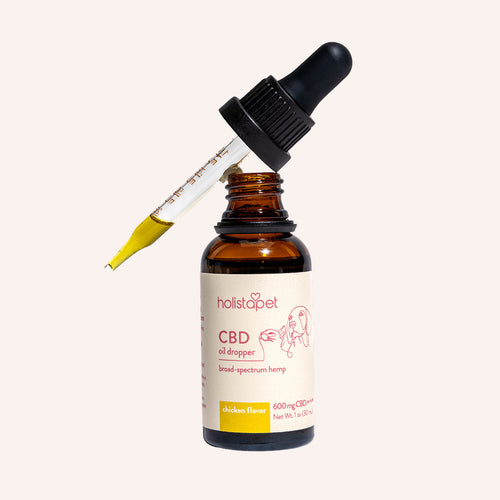 Chicken Flavored CBD Oil for Cats - Highly Rated
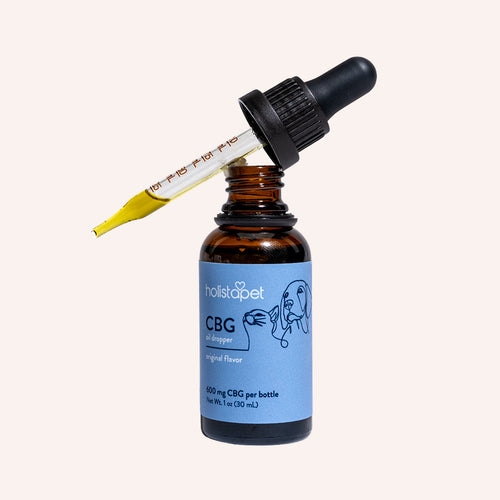 CBG Oil for Dogs and Cats - Loved by Thousands









Leave a comment
All comments are moderated before being published.
This site is protected by hCaptcha and the hCaptcha Privacy Policy and Terms of Service apply.