

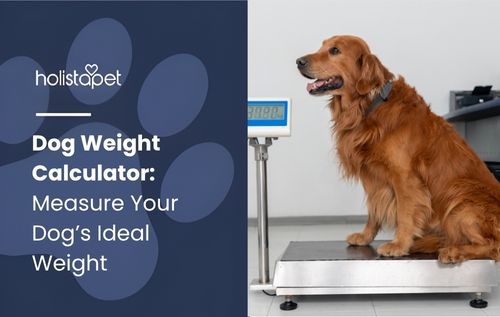
Your dog’s weight affects energy, comfort, and overall health. This dog weight calculator helps you quickly estimate an ideal weight so you can catch problems early and keep your dog in good shape while following helpful dog care tips.
Dog Weight Calculator
Click here to measure your dog’s weight.
Why Should I Use a Dog Weight Calculator?

A dog weight calculator helps you find your dog’s ideal weight fast so you can manage health before problems start.
- Quick assessment: Estimate ideal weight in seconds.
- Early problem detection: Spot underweight or overweight signs sooner.
- Better feeding decisions: Adjust portions with clear targets.
- Breed based guidance: Align weight with typical breed standards.
- Health tracking: Monitor changes and stay consistent over time.
What is the Appropriate Weight Per Breed Size?
Different breed sizes follow general weight ranges that help you gauge what looks healthy for your dog.
|
Breed Size |
Ideal Weight Range |
Height Range |
Body Check |
Daily Activity Need |
|
Small |
2 to 10 kg |
Up to 30 cm |
You can feel ribs easily with slight fat cover |
Low to moderate |
|
Medium |
11 to 25 kg |
30 to 60 cm |
Dog shows a visible waist with balanced shape |
Moderate |
|
Large |
26 to 45 kg |
60 to 75 cm |
Dog displays a tucked abdomen and firm build |
Moderate to high |
|
Giant |
46 kg and above |
75 cm and above |
Dog carries a noticeable waist with controlled bulk |
High |
What Influences My Dog’s Growth and Size?

Genetics, nutrition, age, physical activity, and health conditions are the five main factors that shape your dog's growth and final size.
Genetics
Genes set the natural size, structure, and growth speed of your dog. No amount of feeding or exercise can push beyond this limit.
- Parents influence overall size and build.
- Bone structure and height come from inherited traits.
- Genetic background determines growth rate.
Nutrition
Food quality and portion control determine how well your dog develops within its genetic range. Poor nutrition leads to stunted growth or excess weight.
- High-quality protein supports muscle development.
- Balanced calcium and phosphorus strengthen bones.
- Overfeeding increases fat instead of healthy growth.
The Association of American Feed Control Officials states that proper nutrient balance supports healthy skeletal development during growth stages.
Age and Growth Stage
Growth follows a timeline, and each stage needs different support. Ignoring these changes leads to weight imbalance.
- Puppies grow fast and need more calories.
- Adolescents build muscle and refine body shape.
- Adults stop growing and need weight maintenance.
Physical Activity
Exercise shapes body composition and keeps weight in a healthy range. Lack of movement quickly leads to fat gain.
- Daily activity builds lean muscle.
- Regular movement improves metabolism.
- Inactivity causes excess weight and weak muscle tone.
Health and Medical Factors
Health conditions can slow growth or cause sudden weight changes. Early action prevents long-term issues.
- Hormones regulate growth and metabolism.
- Illness or parasites can limit nutrient absorption.
- Regular vet checks help track proper development.
The American Veterinary Medical Association notes that hormonal imbalance and underlying conditions can disrupt normal growth and weight patterns.
Stress and anxiety can also affect eating habits, similar to behaviors discussed in our dog freaks out in crate situations.
How Do I Maintain My Dog’s Weight?

Feed measured portions, exercise your dog daily, and supplement where needed, these three habits maintain your dog's weight long-term.
Feed the Right Portions
Control how much your dog eats to prevent weight gain or loss.
- Follow portion guides based on weight and age.
- Adjust food amounts as activity levels change.
- Avoid frequent treats or table scraps.
Choose High Quality Nutrition
Food quality affects how your dog gains or maintains weight.
- Use balanced meals with complete nutrients.
- Focus on protein for muscle support.
- Limit fillers that add empty calories.
Keep a Consistent Exercise Routine
Daily movement helps regulate weight and maintain muscle.
- Schedule walks or playtime every day.
- Match activity to your dog’s energy level.
- Increase exercise if weight starts to rise.
Monitor Weight Regularly
Tracking changes helps you act before problems grow.
- Weigh your dog every few weeks.
- Check body shape and waist definition.
- Adjust food and activity based on results.
Support with Natural Supplements
Some dogs need extra support to stay in balance.
- Use supplements like dog digestive probiotics that support metabolism and digestion.
- Choose natural options with transparent ingredients, including quality multivitamin for dogs for daily nutritional support.
- Avoid products with artificial additives.
Some supplements, including CBD hard chews for dogs, support digestion and metabolism, which can influence weight balance. Products like Holistapet's Hemp Calming Soft Chews contain ingredients such as chamomile and L-theanine that may assist with stress-related eating and gut health.
Some pet owners also explore CBD oil for dogs to support overall wellness and balance.
Additional research and wellness insights are discussed in our guide about cbd benefits for canines.
When Do I Visit the Vet for My Overweight Dog?
Visit the vet when your dog’s weight starts to affect health, behavior, or daily function. Do not wait for severe symptoms before taking action.
Watch for clear physical and behavioral changes that signal a problem.
- Noticeable and steady weight gain over time.
- Loss of waistline and visible body shape.
- Reduced stamina during walks or play.
- Panting or fatigue after light activity.
Act immediately if weight begins to impact mobility or comfort. These signs often point to deeper health risks.
- Difficulty standing, walking, or climbing.
- Joint stiffness or signs of pain.
- Reluctance to move or exercise.
Some cases require urgent attention because weight gain may link to medical conditions, not just diet.
- Sudden weight gain without increased food intake.
- Unusual swelling or bloated appearance.
- Changes in appetite, thirst, or energy levels.
Veterinarians can assess body condition, check for underlying issues, and create a structured weight management plan. Early guidance helps prevent long-term complications and keeps your dog on a safe path to a healthy weight.
Watch Your Dog’s Weight and Keep Them Healthy
Keeping your dog at an ideal weight requires consistent care, proper nutrition, and regular monitoring. Use the calculator as a guide, stay proactive with daily habits, and make small adjustments to support long term health and balance.
Frequently Asked Questions
How can I estimate my puppy’s adult weight?
You can estimate adult weight using a puppy weight calculator, puppy growth calculator, or a dog weight estimator. These tools use your puppy’s current weight, puppy’s age, and breed size to predict your puppy’s adult weight. While helpful, they are not an exact science, especially for mixed breeds.
How do I know my dog’s ideal weight?
Your dog’s ideal weight depends on breed size, body condition score, and overall body condition. A healthy dog’s weight should allow you to feel ribs with slight fat coverage while maintaining a visible waist.
What is a body condition score and why does it matter?
A body condition score evaluates your dog’s body condition using a scale that looks at fat coverage and shape. It’s more accurate than relying on dog’s weight alone because it shows whether your dog is at an ideal weight or needs adjustments.
Do male dogs grow bigger than female dogs?
Yes, in many cases male dogs grow slightly larger and heavier than females. This difference can affect predicted adult size when using a puppy calculator or dog size predictor.
How much should I feed my puppy daily?
The amount of daily food depends on your puppy’s age, body weight, and activity level. To determine how many calories your puppy needs, consider breed size and growth stage to support healthy growth without excess weight gain.
Can I accurately predict my puppy’s final size?
You can estimate final size using a puppy size predictor or puppy weight calculator, but it’s not an exact science. Genetics, nutrition, and overall puppy’s growth all influence the final outcome.
Do large and giant breeds grow differently?
Yes, large and giant breeds have longer growth periods and reach their adult size later than small breeds. Monitoring puppy’s growth carefully is important to support proper bone and joint development.
How often should I check my puppy’s weight?
You should monitor your puppy’s weight every 2–4 weeks. Tracking changes in dog’s weight helps you adjust feeding and ensure your puppy grow at a healthy rate.
What is the difference between a puppy calculator and a dog weight estimator?
A puppy calculator focuses on predicting puppy’s adult weight and growth, while a dog weight estimator is typically used to determine ideal weight and maintain proper body condition in adult dogs.







Leave a comment
All comments are moderated before being published.
This site is protected by hCaptcha and the hCaptcha Privacy Policy and Terms of Service apply.