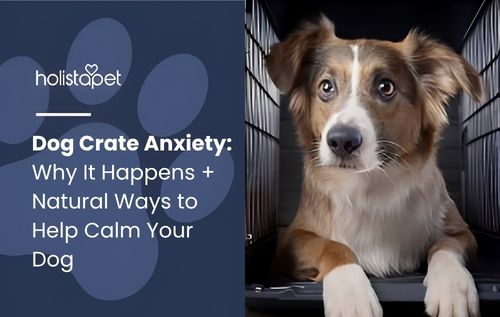
"My dog freaks out in the crate when I leave, and the barking starts before the door even clicks shut." — We hear you. It’s tough watching your buddy spiral into full-blown panic mode. The crate, meant for comfort, becomes a stress trigger instead.
But peace is possible. Gentle steps, kind consistency, and the right environment can change everything. You can teach your new dog that being alone isn’t scary. It’s just another part of the day. Soon, that once-chaotic crate time will feel easy peasy.
Understanding Why Your Dog Freaks Out in the Crate

Dogs crave connection, and being left alone can stir up deep worry. When a dog acts out in their crate, it often means they feel trapped or abandoned. What should be their safe shelter becomes linked with your absence.
Some dogs panic because of past experiences, while others were never taught that a few hours of alone time is normal. Even confident pups can struggle if their routine changes.
But all hope is not lost. With small, consistent adjustments, a dog's crate can shift from a scary zone into a trusted retreat.
What Separation Anxiety Looks Like in Dogs
Separation anxiety shows up loud and clear once the door closes. Barking, whining, or scratching at the crate often starts within seconds of being left alone. Many dogs pace or drool excessively. Some try to escape the crate entirely.
This is distress. A dog with separation anxiety feels panic every time their person disappears. You might notice destruction, bathroom accidents, or restlessness even for short periods apart. These behaviors come from fright. But with the right care, your pet's anxiety triggers can slowly fade into quiet confidence.
Why Crate Time Can Trigger Panic
Crate anxiety happens when the crate feels like confinement instead of comfort. A dog freaks out because the kennel becomes tied to loneliness and stress. The minute the door closes, panic sets in.
For the vast majority of affected dogs, the unease builds from getting shut in too soon or too long. Others associate the crate with isolation or punishment. By reintroducing the shelter slowly—with relaxed energy, short sessions, and familiar objects—you can rebuild trust. Over time, the crate becomes less scary and more like their peaceful corner.
Common Signs Your Dog Is Anxious When You Leave
A worried dog shows their feelings in many ways. Knowing the signs helps you respond with care. Here are some common clues that a pup is not happy when you're gone:
- Constant Barking or Whining. Ongoing noise that starts right after you leave.
- Pacing or Restlessness. Moving nonstop, unable to relax.
- Chewing or Scratching. Trying to escape or relieve frustration.
- Drooling or Panting. Physical signs of worry and agitation.
- Bathroom Accidents. Fearfulness overrides normal habits during crate time.
Is It Separation Anxiety or Something Else?
If your dog freaks out in the crate when you leave but stays chill while you’re nearby, that’s likely separation anxiety. They panic because their favorite family member is gone, not necessarily because of the crate itself. Their distress rises the moment you disappear from view.
If your dog gets upset even when you’re home and the crate door closes, that’s crate anxiety, also called confinement anxiety. This happens when the kennel feels unsafe or unfamiliar. Understanding which one your pup has helps you choose the right way to ease their worries.
Stress vs. True Separation Anxiety
Not every meltdown means true separation anxiety. Some dogs show short-term stress from changes in schedule or environment. They might vocalize for a bit, then settle down once they realize you’ll return home eventually. That’s mild nervousness, not deep terror.
True separation anxiety runs deeper. A dog freaks out when you leave because they believe you’re gone for good. Panic replaces patience, and comfort items don’t help. That's not normal behavior. Recognizing the difference helps guide your response, from small training tweaks to more focused behavior modification techniques.
Health and Environmental Factors to Rule Out
Sometimes, something else is wrong. Discomfort from joint aches, stomach troubles, or skin irritation can make any small confinement unbearable. Always check with a vet to rule out hidden issues before focusing on training.
Environmental triggers matter, too. Loud noises, bright lights, or temperature changes can raise stress levels fast. Make sure the crate feels cozy and familiar. When a pup feels physically comfortable, it’s easier for them to relax emotionally, even when spending time alone.
Why Crate Anxiety Happens

Crate anxiety often grows from misunderstanding and fearfulness. A dog freaks out in the crate when you leave because the shelter feels more like a trap than a refuge. Understanding what causes this reaction is the first step toward fixing it.
- Negative Associations With the Crate. If the crate ever felt like punishment in the past, your dog will resist it.
- Overdependence on Human Presence. Dogs that always stay close to their people struggle most when left alone.
- Lack of Gradual Crate Training. Rushing the process makes the crate scary instead of safe.
How to Calm a Crated Dog That Freaks Out
When your pup panics in the crate, small, steady steps matter most. Rushing or forcing them only deepens the dread. Start by creating positive moments inside the crate, moments that feel truly safe.
Short sessions help build trust. Add rewards, toys, and safe exits to show your dog the crate isn’t a threat. Over time, that once-tense area becomes linked to comfort and confidence.
Start With Positive Reinforcement and Patience
Dogs learn best through encouragement, so forget about pressure. Reward every mellow moment in the crate with praise or a high-value treat. When your pup stays relaxed, even for a few seconds, celebrate it. These small wins teach them that quiet behavior brings good things.
Patience matters more than speed. If you rush, all the worry creeps back in. Slow progress may feel tedious, but it builds lasting comfort, trust us. Each peaceful session helps your pooch connect the crate with safety and warmth instead of worry or distress.
Use Short, Calm Exits to Build Confidence
Start by stepping away for just a few minutes, then return before your adult dog or puppy panics. These short, quiet exits teach them that you always come back. Gradually increase the time apart as their confidence grows.
Keep greetings low-key when you return. Big reactions can fuel excitement or unease. A predictable pattern helps your pup realize that quiet waiting leads to your gentle return every single day.
Keep Background Noise On
Silence can make a nervous dog feel even more alone. Soft background sounds, like music, a TV show, or a white noise machine, can create comfort and routine. These familiar noises fill the quiet and help your pup feel like the house is still alive.
Pick something steady and with a calming effect. The goal is to mask outside sounds that might trigger barking or worry. Over time, these soothing sounds can signal safety, turning crate time into peaceful downtime.
Natural Remedies for Dogs With Crate Anxiety
Some dogs need extra comfort beyond training. Natural aids can ease nervous energy and help them settle faster. Always pair these with love, patience, and gentle structure for the best results.
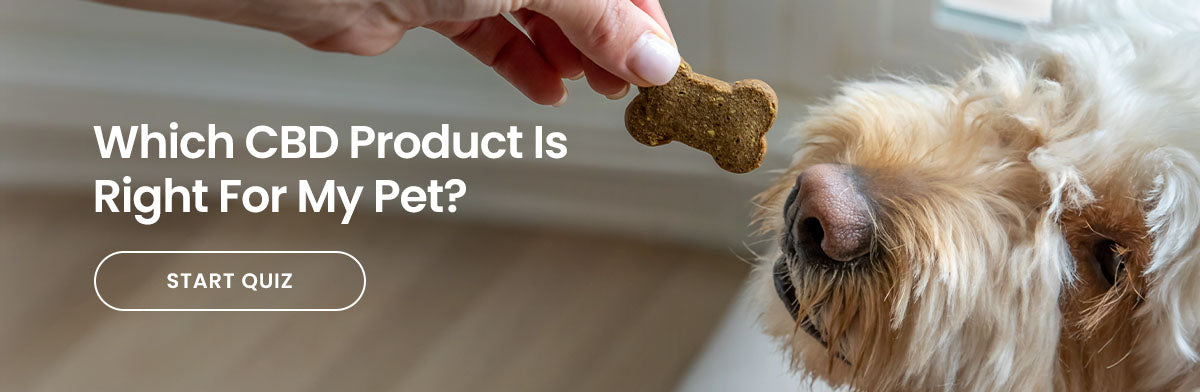
- CBD for Dogs — Gentle Calm & Emotional Balance. Promotes relaxation and mellow behavior during crate training or alone time. HolistaPet's CBD for Dogs comes in oil, treat, chew, and capsule forms. We guarantee an all-natural, broad-spectrum formula (no THC) that's also vet-approved and lab-tested for your pup's comfort and safety.
- Melatonin for Dogs — Rest, Routine, & Relaxation. Supports restful sleep and helps restless pups unwind.Our Melatonin Soft Chews for Dogs also contain other soothing ingredients like L-theanine, chamomile, passion flower, ashwagandha, tryptophan, and valerian root for the ultimate rest aid.
-
Calming Music or White Noise Machines — Provide Steady Background Sound.
Soft music or gentle white noise can mask outside sounds that trigger anxiety. This steady background hum helps dogs feel safe, reduces startle responses, and creates a more relaxing crate environment. -
Aromatherapy With Dog-Safe Essential Oils — Light, Comforting Scents.
Mild fragrances like lavender (pet-safe when properly diluted) can help soothe tense dogs. A small diffuser placed away from the crate can create a calming atmosphere without overwhelming their sensitive noses. -
Exercise and Mental Stimulation Before Crate Time — Release Extra Energy.
A short walk, fetch session, or puzzle toy can burn off pent-up energy and reduce restlessness. Tired dogs settle faster, making crate time feel more like natural downtime instead of confinement. -
Calming Dog Treats and Herbal Supplements — Gentle, Natural Relaxation.
Treats made with calming herbs—like chamomile, valerian, or L-theanine (which are included in Holistapet CBD dog treats)—can help support focus and reduce nervous behavior. They’re a simple add-on that pairs well with crate training routines.
How to Crate Train an Anxious Dog Step-by-Step
Crate training a nervous dog takes patience and consistency. Rushing the process only builds more worries. The key is slow, positive exposure that helps your pup connect the crate with comfort.
Each step should feel easy and rewarding. Keep sessions short, peaceful, and full of encouragement. Small progress each day builds lasting trust. Over time, your dog will see the crate as their personal safe spot, a cozy nook for rest, quiet, and peace of mind.
Step 1 — Create a Positive Association
Start by making the crate feel welcoming. Leave the door open and let your dog explore freely. Toss treats or favorite toys inside to spark curiosity. Never push or force them in. Let it happen naturally.
Feed meals near or inside the crate, so it becomes part of normal life. The more pleasant experiences your dog connects with the space, the more comfortable they’ll feel. This gentle start builds trust and sets the stage for quiet, confident crate time.
Step 2 — Leave the Door Open at First
Keep the crate door open, so your dog can move in and out freely. This helps them feel in control instead of trapped. Toss a treat inside, let them grab it, and walk away casually. Repeat until they start choosing to rest inside on their own.
Once they’re comfortable, sit nearby while they relax in the crate. This shows that the space isn’t tied to isolation. It’s simply a cozy part of the room where they can rest without worry.
Step 3 — Add Comfort Items
Make the crate feel like home. Add a soft blanket, a favorite toy, or a worn T-shirt that smells like you. Familiar scents help your pet relax and feel close to you, even when you’re not around.
Comfort matters as much as structure. A cozy setup turns the crate from a cold space into a safe retreat. When your pup feels surrounded by familiar textures and smells, that sense of ease becomes the foundation for easier alone time.
Step 4 — Gradually Increase Alone Time
Start with short absences. Step out of the room for a minute or two, then return quietly. Each time your dog stays quiet, extend the break a little longer. Eventually, a minute will turn into ten minutes, and all that progress will multiply. This builds confidence without overwhelming them.
If you notice signs of distress, shorten the next session. Progress should always feel manageable. With steady repetition, your pup learns that crate time doesn’t mean you’re gone forever. It’s just part of their normal routine, and you always come back.
Step 5 — Keep Goodbyes and Returns Calm
Excited greetings and long goodbyes can make your dog anxious. Stay relaxed when leaving and returning. Quiet energy tells your pup there’s nothing to worry about. A simple “be right back” and a soft return work far better than fuss or fanfare.
Over time, this steady rhythm teaches your dog that departures aren’t a big deal. When coming and going feels routine, not dramatic, crate time becomes predictable and peaceful instead of stressful or confusing.
Tips for Making the Crate Feel Safe & Inviting

A peaceful crate starts with comfort and trust. When the space feels cozy and familiar, your dog relaxes faster and rests easier. Every small detail, from texture to placement, shapes how your pup feels inside.
Avoid rushing the setup. Create a space that feels like part of the home, not a punishment zone. Add warmth, routine, and soothing energy, so your dog learns the crate means rest and quiet.
Use Cozy Bedding and Familiar Scents
Soft bedding turns a crate from cold metal into a restful den. Choose a cushion or blanket that feels warm and secure. Adding a shirt or pillowcase with your scent gives extra comfort when you’re away.
Dogs find peace in familiar smells. It reminds them they’re still connected to their favorite person. A cozy setup signals safety and peace, helping your pooch settle in faster and stay relaxed through naps, nights, or quiet alone time.
Avoid Using the Crate for Punishment
A crate should always feel safe, never scary. Using it as punishment only builds anxiety and resistance. Dogs remember experiences through emotion. So if they associate the crate with scolding or isolation, they’ll resist entering it again.
Keep the crate connected to peace and comfort. Encourage relaxed behavior inside and reward those quiet moments. The goal is to make the crate a retreat where your dog chooses to rest.
Place the Crate in a Calm, Familiar Area
Location can change everything. A crate tucked in a quiet, low-traffic spot helps your dog feel secure. Avoid busy hallways or loud rooms that might keep them on alert. Instead, choose a quiet corner where they can still sense family activity without feeling exposed.
Keep the lighting soft and the temperature comfortable. Dogs rest best when their environment feels steady and safe. A familiar room filled with comforting sounds and scents helps transform the crate into a space of peace.
What Not To Do When Your Dog Freaks Out
When panic hits, how you respond matters most. Reacting with frustration or impatience can make the situation worse. Instead, focus on calm correction and consistency while avoiding common mistakes.
- Avoid Yelling or Punishing Anxiety-Driven Behavior. Anger increases stress and breaks trust.
- Don’t Force Long Confinement Too Soon. Start with short sessions to prevent panic.
- Never Ignore the Root Cause of Anxiety. Address emotional triggers through training and comfort, not control.
Long-Term Strategies for Confidence & Calm
Building peace in the crate takes time, patience, and daily consistency. Just remember: Dogs thrive on routine and reassurance. The goal is steady progress that helps your pup feel safe no matter how long you’re gone.
Combine structure with affection. Keep training sessions short, predictable, and upbeat. Balance crate time with play, walks, and bonding moments. Over weeks, these habits build resilience and independence, turning fearfulness into quiet confidence that lasts a lifetime.
Build Independence Gradually
Confidence grows step by step. Start by teaching your dog to rest peacefully in one room while you’re in another. Extend the distance and time slowly, so each success feels easy. This teaches them that alone time isn’t something to worry about.
Short, positive separations help your buddy trust that you’ll always come back. As independence builds, the crate becomes a calm space they choose to enter. That's proof that patience and small wins create lasting confidence.
Consistency and Routine Are Key
Dogs feel secure when life follows a steady rhythm. Feeding, walks, and crate time should happen around the same hours each day. Predictable patterns lower tension and build trust. Your pup starts to understand what comes next, which eases uncertainty.
Keep the rules the same for everyone in the household. Mixed signals confuse dogs and delay progress. With reliable structure and gentle patience, your pet learns that crate time is just another safe, normal part of daily life.
Use Positive Training Methods Only
Kindness works better than correction. Positive training builds trust and helps your dog learn without anxiety. Reward calm behavior, ignore whining, and stay patient during setbacks. Harsh discipline only increases tension and makes crate time harder.
Focus on encouragement instead of control. Celebrate small wins—a quiet minute, a relaxed posture, a wag of relief. With steady praise and gentle direction, your dog learns that calm behavior brings the comfort they need.
When to Seek Professional Help
If nothing seems to help, it may be time to call in an expert. Sometimes fear runs deeper than training alone can fix. If your dog shows panic every time you leave—barking nonstop, drooling, or trying to escape—it may be time to call a certified professional dog behaviorist or the vet.
A veterinarian can check for physical causes like illness or pain, while a certified dog behaviorist can evaluate emotional triggers and design a plan tailored to your dog’s emotional needs.
Seek help right away if you notice self-injury, extreme fear, or destructive behavior. A vet can also rule out physical issues. With expert guidance, you’ll both gain the tools to rebuild peace, confidence, and balance.
Final Thoughts — Helping Your Dog Feel Calm and Safe
Every anxious bark and restless moment tells a story of fear, not defiance. With patience, structure, and care, even the most worried pooch can learn to rest easy in the crate. Calm routines and gentle reassurance help replace fear with trust.
Natural options like CBD and melatonin from HolistaPet can support relaxation alongside training. Combine them with steady guidance and daily consistency, and they can create lasting balance. A calm crate isn’t just possible; it’s the reward for time and unwavering love.


CBD Oil for Dogs - Fast Acting
Chicken Flavored CBD Oil For Dogs - Easy Dose
Salmon Flavored CBD Oil For Dogs - Highly Rated
CBG Oil for Dogs and Cats - Loved by Thousands


Leave a comment
All comments are moderated before being published.
This site is protected by hCaptcha and the hCaptcha Privacy Policy and Terms of Service apply.