

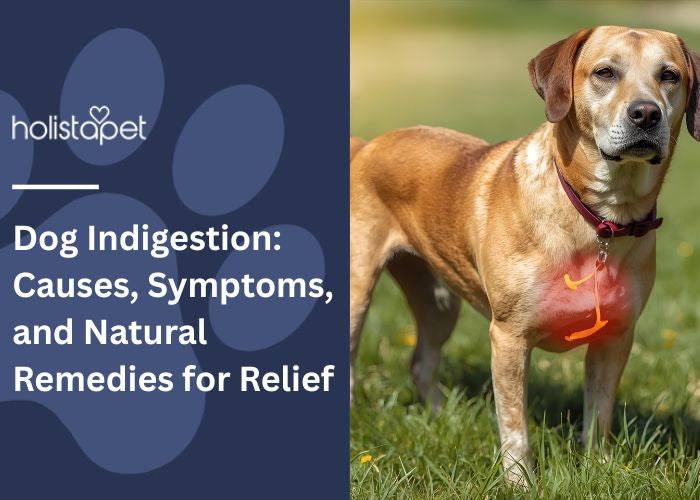
Dog indigestion can turn a happy pup into a moody mess fast. A rumbling tummy, queasy look, or skipped meal might mean their belly's throwing a little protest party. The good news is you can help calm that chaos with simple care and the right routine.
A dog's digestive hiccups often trace back to what they eat or how they eat it. Understanding what's really happening in your canine companion's belly is the first step to helping them feel bright-eyed and bouncy again.
What Is Dog Indigestion?

Canine indigestion happens when your pup's stomach struggles to handle food. Their digestive system works hard to break down each bite. But sometimes, that process slows down or gets off track. When that happens, you might notice your pup feeling restless or skipping meals.
This tummy trouble often comes from extra stomach acid or mild irritation in the digestive tract. It's the canine version of heartburn. It's uncomfortable but manageable. With the right diet, routine, and attention, you can help your furry friend find quick comfort and keep mealtime smooth and easy again.
Understanding How the Canine Digestive System Works
Your dog's digestive system runs like a well-timed conveyor belt. Food travels from the mouth to the stomach, where stomach acid and enzymes start breaking it down. From there, nutrients move through the small intestine and into the bloodstream to fuel their daily zoomies.
The lower esophageal sphincter, located at the bottom of the dog's esophagus, keeps stomach contents where they belong. If it relaxes too much, acid reflux or gastroesophageal reflux disease (GERD) can strike, causing irritation in the esophagus.
A balanced digestion depends on healthy muscle tone, steady stomach acid production, and proper movement through the gastrointestinal (GI) tract. When that flow slows, tummy troubles tend to show up fast.
Related Post: How Long Does It Take for a Dog To Digest Food: Small vs Large Dogs
Why Digestion Issues Are Common in Dogs
Dogs' adventurous appetite often leads to tummy troubles and unpredictable digestion. Their systems also react quickly to changes in food, feeding times, or stress. Even small shifts can throw their gut out of sync.
Some pups have sensitive stomachs by nature. Others develop food sensitivities or mild irritation in the belly over time. Age, diet, and activity level all play a role, too. Since every pup's stomach works a little differently, occasional indigestion isn't rare. The clinical signs can overlap with other diseases, making it important to catch the underlying cause early.
Related Post: Understanding Dog Digestive Issues: Causes, Symptoms, & Solutions
Common Causes of Indigestion in Dogs

A dog's tummy can act up for many reasons, from mealtime mistakes to sneaky snack habits. Understanding what triggers indigestion makes it easier to help your pup feel better and avoid future flare-ups.
- Sudden Changes in Diet. Switching foods too fast can upset their system.
- Eating Too Fast or Swallowing Air. Gulping meals traps air in the belly and causes gas or bloating.
- Stress or Anxiety-Related Digestive Upset. Nervous or upset moods can throw off digestion.
- Consuming Foods That Don't Agree With Their System. Certain foods irritate the gut or slow digestion.
- Food Intolerances or Allergies. These can cause recurring tummy discomfort and irregular stools.
- Overeating or Eating Spoiled Food. Too much or bad food often leads to immediate stomach troubles.
Recognizing the Symptoms of Dog Indigestion
Indigestion in dogs often shows up through small changes in behavior or appetite. Spotting these common signs and other similar symptoms helps you respond before your pup feels worse.
- Queasiness or Upset Stomach. You might see lip licking, drooling, or restless pacing.
- Gas, Bloating, and Burping. Extra air or trapped gas makes them uncomfortable.
- Loss of Appetite or Refusal To Eat. A clear sign their tummy feels off.
- Irregular or Loose Stools. Digestive problems often affect bathroom habits.
- Vomiting or Regurgitation. Food may come back up soon after meals.
- Lethargy and Discomfort After Meals. Other symptoms like low energy and tummy tenderness often follow indigestion.
How To Help a Dog With Indigestion Naturally

When indigestion strikes, simple natural care can help prevent issues like acid reflux and ease strain on the gut. Gentle changes in diet and daily habits often bring relief faster than you'd expect.
- Feed Smaller, More Frequent Meals
- Provide Constant Access to Fresh Water
- Offer Bland Foods Like Plain Rice, Pumpkin, or Boiled Chicken
- Avoid Fatty, Spicy, or Processed Foods
- Introduce New Foods Slowly
- Encourage Gentle Movement After Meals
Feed Smaller, More Frequent Meals
Large meals can stretch the stomach and increase stomach acid, which may lead to acid reflux or queasiness. Smaller meals are easier to digest and reduce pressure on the lower esophageal sphincter.
Try splitting their daily portions into three or four mini servings. This approach keeps the tummy active without overloading it, especially for pups frequently experiencing acid reflux. It's a simple fix that works well for canines with sensitive tummies or frequent digestive challenges.
Provide Constant Access to Fresh Water
Fresh water keeps your dog's gut running smoothly. It helps break down food, supports stomach acid balance, and prevents dehydration. A hydrated pup digests food more easily, manages acid reflux better, and feels healthier overall.
Always keep a clean bowl filled with fresh water within reach. Change it a few times a day to keep it cool and inviting. Dogs naturally drink more when water tastes clean, and that simple habit can change the game completely.
Offer Bland Foods Like Plain Rice, Pumpkin, or Boiled Chicken
Gentle meal options like plain rice, pumpkin, or boiled chicken are easy to digest. A bland diet can help calm irritation in the GI tract and support a dog's internal organs. Simple meals give the tummy a break while still providing energy and nutrients.
Skip seasoning or added fats. Feed small portions until your pup's appetite and stool return to normal. Of course, get your vet involved. Giving them a rundown of your pet's medical history and symptoms can help them determine any underlying cause.
Avoid Fatty, Spicy, or Processed Foods
Rich or greasy foods can send your pet's tummy into chaos, often triggering esophageal irritation. Fatty or spicy meals often trigger acid reflux or bloating by increasing stomach acid and slowing digestion. Some processed canned food, treats, and table scraps can also irritate the tummy and make recovery harder.
Stick to low-fat, natural options instead. Simple ingredients keep digestion smooth and gentle on the system. They also help reduce accompanying issues, like bad breath, that come from poor digestion. By avoiding heavy or overly seasoned meals, you'll reduce the chance of upset bellies and keep your pup's gut happy and balanced long-term.
Introduce New Foods Slowly
A sudden switch in your dog's diet can shock their belly and cause indigestion. Gradually adding new foods gives their system time to adjust, especially if they have food sensitivities. This helps prevent gas, queasiness, or loose stools that often follow quick diet changes.
Start by mixing a small amount of the new food with their regular meals. Increase the ratio over several days until the switch is complete. This slow introduction supports steady digestion and keeps your dog's belly calm while adapting to their new diet.
Encourage Gentle Movement After Meals
Gentle movement helps food move smoothly through the GI tract, prevents delayed stomach emptying, and keeps acid reflux from attacking. It's a simple way to keep your pup comfortable and support natural digestion.
Avoid intense play or running right after meals. Too much activity can lead to tummy discomfort or even vomiting. Instead, take a calm walk or let your pooch wander around the yard. This light activity supports the active process of digestion while keeping things gentle.
Supporting Your Dog's Gut Health Long-Term
Keeping your dog's gut in good shape takes more than quick fixes. Long-term digestive health depends on balanced nutrition, consistent habits, and a calm routine. Small daily efforts add up to fewer belly issues:
- Importance of Balanced Nutrition
- Maintaining Consistent Feeding Times
- Reducing Stress Through Routine and Calm Environments
- Avoiding Table Scraps and Unsafe Treats
Importance of Balanced Nutrition

A balanced diet gives your dog's system the right tools to work smoothly. It helps reduce flare-ups tied to problems like hiatal hernia (bulging of the top part of the stomach) or other tummy issues. The right mix of protein, fiber, and healthy carbs helps regulate stomach acid and keeps digestion in rhythm. Skipping these key nutrients can lead to nutrient deficiencies over time.
Choose foods made with whole, simple ingredients that match your dog's age and activity level. Avoid fatty foods or fillers that strain digestion. Consistent, balanced nutrition supports steady energy, better absorption, and fewer flare-ups of dog acid reflux or indigestion.
Maintaining Consistent Feeding Times
Dogs thrive on routine, especially when it comes to meals. Feeding at the same times each day helps regulate stomach acid production and keeps digestion predictable. Skipping or delaying meals can lead to extra acid buildup on an empty stomach.
Set a schedule and stick to it as closely as possible. Consistent feeding times train your dog's system to expect food at regular intervals, preventing acid reflux or tummy upset. This small habit keeps their belly settled and their mood bright.
Reducing Stress Through Routine and Calm Environments
Stress or upset feelings can trigger stomach troubles and throw digestion off balance. Creating a peaceful environment helps the system work without interruption.
Keep routines predictable and surroundings comfortable. Offer quiet spaces for rest and avoid sudden changes in feeding or activity schedules. Gentle reassurance, steady routines, and a calm home all support smooth digestion. They help prevent recurring indigestion by easing your dog's symptoms.
Avoiding Table Scraps and Unsafe Treats
Sharing bites from your plate may seem harmless, but many human foods upset the canine tummy. Greasy leftovers, dairy products, or spicy snacks can increase stomach acid and irritate the belly. Even small amounts can cause queasiness or irregular stools.
Stick to treats made for dogs and feed them in moderation. Safe snacks with simple, natural ingredients keep digestion steady. Skipping table scraps keeps your pup's stomach happy, sets a good example for other dogs in the house, and prevents digestive distress.
Natural Supplements for Dog Digestion
Natural supplements can give your pup's digestion a real boost. They work hand in hand with a balanced diet to support gut bacteria, steady stomach acid, and improve nutrient absorption. They're also especially helpful, along with vet-recommended acid-reducing medications or pro-motility drugs, in severe cases of acid reflux in dogs. Many pets find lasting comfort when these gentle additions become part of their daily routine.
Prebiotics, probiotics, and digestive enzymes each play a special role in keeping the gut healthy. They help the tummy process meals more efficiently and reduce discomfort after meals. When used regularly, natural supplements can make mealtime easier, complement standard medical treatment, and keep your dog's belly feeling calm and happy.
Benefits of Prebiotics and Digestive Enzymes
Prebiotics and digestive enzymes are the quiet heroes in your dog's stomach. Prebiotics feed the good bacteria in the gut, helping them thrive and balance the belly. Enzymes break food down into smaller pieces, making nutrients easier to absorb. Together, they keep digestion smooth and reduce irritation after meals.
Dogs naturally produce some enzymes, but extra support can help when stomach acid production or nutrient absorption slows down. Adding these to your dog's routine can help ease mild discomfort and promote better overall digestive health.
The Role of Probiotics in the Digestive Tract
Probiotics are the friendly bacteria that live inside your dog's gut. They help keep the digestive system balanced, control harmful bacteria, and support smooth digestion. When the gut flora gets out of balance, problems like gas, queasiness, or loose stools can appear.
Adding probiotics can help restore that balance and strengthen your dog's immune system at the same time. A healthy gut supports everything from nutrient absorption to steady energy. Regular probiotic intake is one of the easiest ways to keep your pup's digestion—and overall well-being—on track.
Introducing HolistaPet’s Probiotic Soft Chews for Dogs
HolistaPet's Probiotic Soft Chews make supporting your dog's gut health simple and tasty. Each heart-shaped chew packs a blend of nine beneficial bacteria—adding up to three billion CFU (colony-forming units)—to restore digestive balance and ease stomach troubles. These chews also feature pumpkin and sweet potato for extra fiber and natural comfort.
Dogs love the flavor, and you'll love the results: less queasiness, better digestion, and a happier pup. Made with quality ingredients like flax oil, chickpea flour, and rosemary extract, these soft chews turn daily digestion care into an easy treat your pooch will actually enjoy.
How CBD May Help With Digestive Issues
CBD (cannabidiol) can be a gentle way to comfort a dog dealing with stomach troubles. It works with the body's natural systems to promote calm, reduce nervous feelings, and ease discomfort linked to digestion. This can be especially helpful when problems come from stress or changes in routine.
By helping dogs relax, CBD supports smoother digestion and steadier appetite. It may also calm muscle tension in the belly, making it easier for meals to pass through the digestive tract. For many pups, CBD offers a natural path toward better comfort and digestive balance.
HolistaPet CBD Products for Digestive Comfort
HolistaPet's CBD collection gives dogs a simple, natural way to stay comfortable when their stomach feels off. Our CBD Oil for Dogs, CBD Calming Chews, and CBD Dog Treats are all made in the USA with high-quality, broad-spectrum CBD that contains zero THC. Each product blends superfood ingredients and hemp seed oil for added nourishment.
These wellness products are gluten-free, dairy-free, and non-GMO—perfect for sensitive pups or those recovering from other diseases that affect digestion. Convenient dropper bottles make dosing easy, and multiple potencies fit every breed.
Creating a Holistic Digestive Care Routine
A balanced approach keeps your dog's digestion smooth and reliable. A good routine blends nutrition, supplements, and observation. Paying attention to how your dog eats, rests, and reacts helps prevent stomach troubles before they start.
- Combining Probiotics and CBD for Comprehensive Support. These two work hand in hand. Probiotics nurture gut balance, while CBD helps calm the body and reduce stress-related digestive troubles.
- Monitoring Your Dog's Eating and Bathroom Habits. Regular tracking helps you spot early signs of indigestion, such as skipped meals or loose stools.
- Adjusting Diet and Supplements as Needed. Every dog's digestive system is different. Making small changes keeps their stomach comfortable and functioning well.
- When To Reintroduce Normal Food After Upset. Once your pup's stomach settles, slowly mix in their regular food. A gradual shift keeps their digestive tract from feeling overwhelmed.
When To See a Veterinarian
Most cases of canine indigestion clear up with simple care, but some situations call for professional help. A vet can rule out underlying diseases and check for more serious issues inside the digestive tract through blood tests, like a complete blood count, or imaging. Trust your instincts. If your pup seems off for more than a day or two, it's worth getting checked out.
- Chronic Vomiting or Diarrhea. Ongoing stomach troubles may point to something deeper.
- Ongoing Loss of Appetite or Weight Loss. Missing multiple meals or a visible weight drop signals concern.
- Signs of Discomfort or Lethargy. Don't ignore constant tiredness or soreness after meals.
- Identifying Potential Underlying Health Conditions. A physical exam and blood work can uncover issues like gastric ulcers or other digestive disorders.
Final Thoughts on Relieving Dog Indigestion Naturally
Helping your canine companion overcome indigestion isn't rocket science. With a steady routine, gentle meals, and supportive natural products, your pup's stomach can stay happy and calm. The secret is staying consistent and paying attention to small changes in behavior or appetite.
HolistaPet makes that easier with trusted wellness products designed just for dogs. From probiotic soft chews to CBD oil, every item is thoughtfully made to support smooth digestion and comfort. With the right approach, your furry friend can enjoy every meal with confidence and ease.
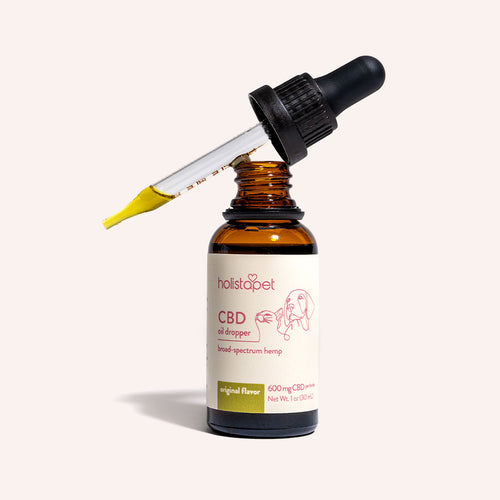 CBD Oil for Dogs - Fast Acting
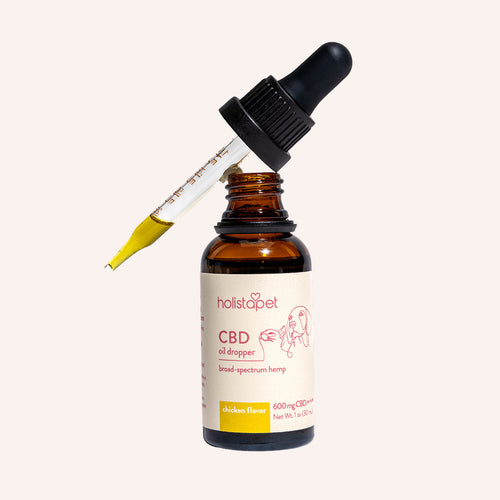 Chicken Flavored CBD Oil For Dogs - Easy Dose
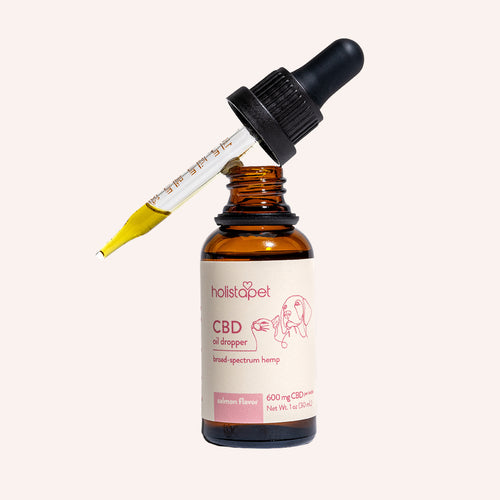 Salmon Flavored CBD Oil For Dogs - Highly Rated
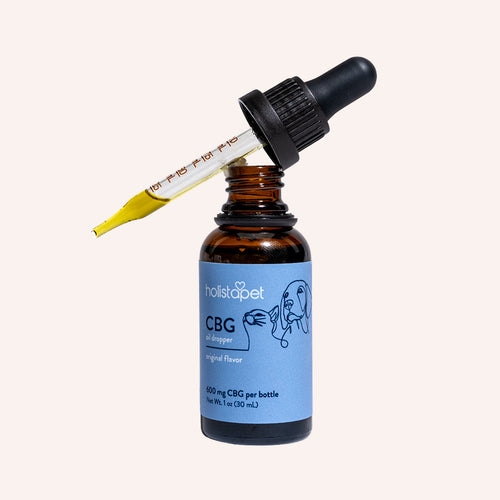 CBG Oil for Dogs and Cats - Loved by Thousands









Leave a comment
All comments are moderated before being published.
This site is protected by hCaptcha and the hCaptcha Privacy Policy and Terms of Service apply.