


A surgical recovery suit for dogs turns a tough moment into something far more manageable. Many pet parents pick this option because it protects surgical sites with steady comfort and zero fuss.
The firm yet comfortable fit keeps your pooch focused on faster healing. They can enjoy full range of motion, breezy strolls, and a body-hugging gear that feels familiar and friendly.
What Is a Surgical Recovery Suit for Dogs?

A canine surgical recovery suit works like a soft, body-hugging outfit that shields surgical sites from contact. Many owners prefer this simple gear because it offers steady coverage without blocking a dog’s view or motion.
This recovery suit stands apart from a traditional Elizabethan collar by giving complete mobility and a calmer experience. It conceals the wound with gentle, breathable fabric that feels familiar. Many dogs relax faster because it moves with their body instead of getting in the way.
How a Surgical Recovery Suit Works
A surgical recovery suit conceals incisions with steady, full-body protection. It shields stitches from licking, chewing, and scratching, which then supports faster healing. Many dogs feel calmer because the breathable fabric moves with their body. The suit also keeps the problem area clean during bathroom breaks and daily activities. The stretchy material helps your buddy maintain full mobility without rubbing the wound.
Key Benefits of a Dog Recovery Suit
Many owners appreciate how recovery suits keep wounds safe from agitation during post-operative care. Here's what they bring in terms of comfort and recovery:
- Better Mobility and Freedom of Movement. The stretchy material lets dogs move around with ease.
- Reduced Anxiety Compared to a Cone. Dogs feel calmer without an Elizabethan collar blocking their view.
- Breathable, Soft, and Flexible Fabrics. Gentle fabric keeps the surgical spot safe from agitation.
- Secure Fit That Stays in Place. Form-fitting coverage prevents loose spots that could expose the wound.
- Helps Maintain a Cleaner Healing Environment. The suit blocks licking, scratching, and dirt from entering the area.
When Vets Recommend a Surgical Recovery Suit
A recovery suit can help during many types of procedures and skin issues. Vets often suggest it when dogs need steady coverage without limiting motion. Here are some typical cases:
- After Spay or Neuter Surgery. The suit keeps the surgical area covered to prevent licking.
- Following Mass or Tumor Removal. Full coverage supports cleaner mending and steady mobility.
- During Orthopedic Procedures. The suit protects sensitive spots while allowing careful motion.
- After Abdominal or Gastrointestinal Surgery. The gentle material shields stitches and reduces contact.
- For Hot Spots, Skin Irritation, or Allergic Flare-Ups. Concealed skin stays safer from scratching and biting.
How Long Dogs Typically Wear a Recovery Suit

Dogs usually wear a recovery suit for about one to two weeks after common procedures. Spay and neuter surgeries often need around ten to fourteen days in the suit. Mass removals or larger operations may require more time for safer protection.
The timeline often depends on how fast the problem area settles and how much activity your dog can handle without agitation. The goal is steady coverage until the surgical spot looks calmer and cleaner.
Related Post: Dog Spay After Care: Tips for a Smooth Recovery
Signs Your Dog May Need To Wear It Longer
Some dogs need extra time in a recovery suit when issues stick around. Owners often notice small changes that hint their pooch needs more coverage. Here are some indicators:
- Visible Redness. The skin shows lingering redness around the wound.
- Ongoing Swelling. Puffiness stays present longer than expected.
- Persistent Licking Attempts. Your dog keeps trying to reach the surgical spot.
- Increased Soreness. Your pooch reacts to touch with noticeable discomfort.
- Extra Scabbing. The wound forms new or uneven scabs.
When It’s Safe To Transition Out of the Suit
A dog can transition out of a surgical recovery suit once the affected spot looks calmer and cleaner. The skin often looks smoother, with less redness or puffiness around the wound. The suit can also come off when the incision stays dry and closed during normal activity. Many owners notice their dogs moving with more confidence and showing fewer upset behaviors. A steady improvement in comfort, motion, and skin appearance signals the right moment to switch back to regular daily routines.
How To Use a Surgical Recovery Suit for Dogs
A surgical recovery suit works best when it fits firmly and stays secure through normal activity. Owners usually start by checking the suit’s stretchiness and making sure the gaps line up with the legs and tail. This helps keep the wound safe. Dogs also settle into the suit faster when the material feels comfy. Let's discuss ways to make sure your buddy gets the most out of their recovery suit.
How To Measure Your Dog for the Right Fit
Start by checking your pup’s weight and body length from neck to tail. These simple measurements help match the suit’s fit to your dog’s shape without feeling tight or loose. A tape measure gives the best results around the chest and stomach. Remember, clear numbers help you pick a suit that supports full mobility and protection.
Gently Putting the Suit On
Begin by laying the suit flat and guiding the front legs through the openings. Smooth, stretchable fabric makes the process easier and keeps your companion comfortable from the start. Going slowly also helps maintain calm as the suit comes up around the chest and stomach. A steady pace keeps the wound area protected without creating agitation.
Securing Closures and Ensuring Wound Protection
Fasten the closures from the chest toward the tail. This pattern keeps the suit snug without creating tight pressure on the incision. Once the closures line up, the fabric conceals the wound steadily. This firm fit blocks any sort of contact. With a well-fastened suit, your buddy can focus on calmer behavior while recuperating.
How To Unfasten the Suit for Bathroom Breaks
First, open the lower closures near the tail. This gives enough space for your dog to walk and squat without exposing the entire suit. The stretchy fabric lifts gently away from the affected spot, so the wound stays safe during quick outdoor trips. Then, once your companion finishes, the suit can fold back into place with the same body-hugging feel.
Washing and Caring for the Suit
Check the fabric tag for simple washing instructions. Most suits handle gentle cycles well, which helps the stretchy fabric stay smooth and tight. Air-drying keeps the material in better shape and protects the suit’s overall fit. A fully dry suit feels lighter on your pooch. With regular washing, you can keep dirt, odors, and loose debris at bay, so your furry friend stays fresh and relaxed.
Monitoring the Incision for Redness, Swelling, or Discharge
Gently check the skin during suit changes. A quick look helps you notice small changes before they turn into bigger issues. Redness or puffiness around the wound can signal irritation from extra activity or scratching attempts. Any new moisture or unusual odor deserves attention, too. A clean, dry incision with smoother skin is what you want, as it shows steady progress.
Keeping Your Dog Calm While Wearing a Recovery Suit

A surgical recovery suit works best when your dog stays relaxed while recuperating. Often, there's smoother behavior when the environment feels steady and predictable. Things like comfy bedding, gentle activity, and familiar scents keep things light and easy while your dog adjusts. Overall, a peaceful atmosphere gives your buddy the comfort they need to move, rest, and recover with confidence.
Limiting Running, Jumping, and Rough Play
A surgical recovery suit stays most effective when your dog moves at an easy pace. Always guide your companion away from fast turns, leaps, and sudden bursts of energy. Gentle limits protect the incision from irritation caused by quick motion.
Short walks and calm indoor time help keep the wound covered. The fabric also stays snug when your dog avoids wrestling or chasing games. A slower rhythm reduces agitation, lowers the risk of reopening the wound, and keeps your pet comfortable throughout their recovery period.
Providing Mental Enrichment Without Excess Movement
Wearing a recovery suit can still be fun, as long as the activities stay calm and steady. Pick simple games that keep the mind busy without pushing the body too hard. This balanced approach helps protect the problem area while your dog enjoys gentle stimulation.
Food puzzles, lick mats, and slow scent searches keep your companion entertained with minimal motion. Soft toys and quiet chewing sessions also support calmer behavior. These low-energy activities maintain a relaxed mood and keep the wound covered while your buddy stays happily occupied.
Creating a Safe and Quiet Resting Space
A peaceful setup helps a recovery suit feel even more comfortable. Arrange a cozy corner where noise stays low and movement stays gentle. This calm spot gives your dog a place to unwind without extra contact around the affected spot.
Plush bedding supports steady rest, while familiar scents help your pooch feel grounded. A quiet room reduces upset behaviors and keeps the wound protected during naps. This simple space encourages smoother mending and gives your best friend a warm, reassuring place to recharge.
Additional Post-Surgery Recovery and Comfort Tips
A surgical recovery suit works even better when paired with a few simple comfort habits. Pet owners often notice smoother behavior when their dog follows a steady routine. These small steps can lead to big perks:
-
Offering Small, Easy-to-Digest Meals
Light, smaller portions are easier on your dog’s stomach and can help prevent nausea or discomfort after surgery. Gentle foods also support energy levels without overloading digestion during recovery. -
Using Soft, Supportive Bedding
Plush, well-cushioned bedding helps reduce pressure on sensitive areas and encourages your dog to rest comfortably. A quiet, draft-free sleeping space can further support uninterrupted healing. - Managing Stress and Restlessness With Pet-Safe CBD. CBD supports a calmer mood by interacting with the endocannabinoid system in the body that influences worried or negative thoughts. HolistaPet’s CBD for dogs brings steady comfort with all-natural ingredients. All of our CBD products use broad-spectrum CBD (no THC), are vet-approved, and are third-party lab tested for every dog's safety. Browse the collection here.
-
Following All Veterinarian Instructions Closely
Sticking to your vet’s guidance on activity limits, feeding schedules, and medication timing helps prevent setbacks. Consistency is key to avoiding complications during recovery. -
Daily Monitoring for Healing Progress
Checking the surgical area each day allows you to catch redness, swelling, or irritation early. Prompt attention to small changes can help prevent bigger issues and keep healing on track.
Related Post: How to Comfort a Dog in Pain After Surgery [Promoting Recovery]
Final Thoughts on Supporting a Smooth Recovery With a Dog Surgical Suit
A surgical recovery suit brings steady comfort to a time that often feels overwhelming for pets. Many owners appreciate how the stretchable fabric protects the affected area while keeping movement relaxed and natural. This simple suit helps pups stay calm, covered, and confident through each stage of recovery.
Daily check-ins, gentle routines, and the right comfort support make the journey feel smoother. HolistaPet offers helpful wellness options that pair well with your dog’s suit and overall comfort plan. A little care, a little patience, and your furry bestie moves toward brighter days with ease.
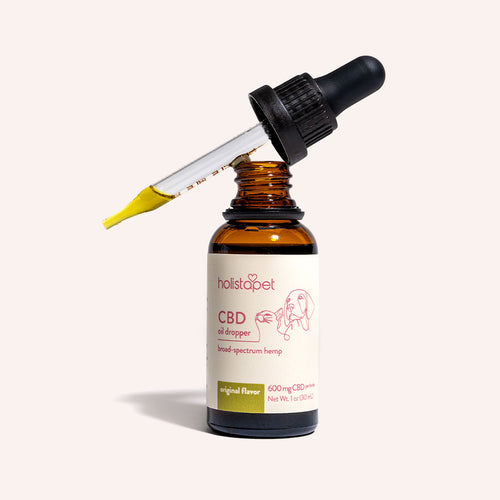 CBD Oil for Dogs - Fast Acting
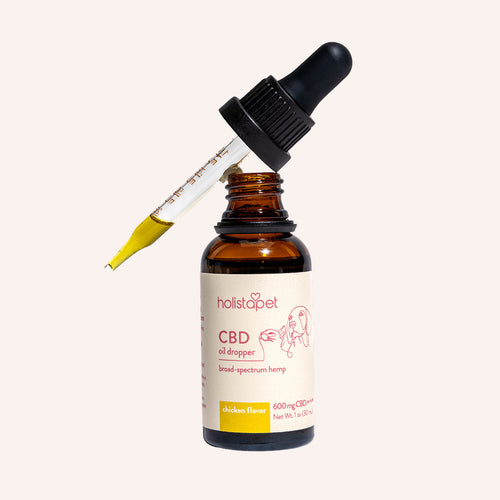 Chicken Flavored CBD Oil For Dogs - Easy Dose
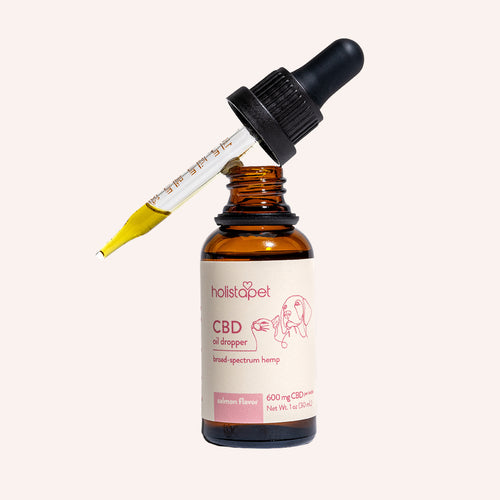 Salmon Flavored CBD Oil For Dogs - Highly Rated
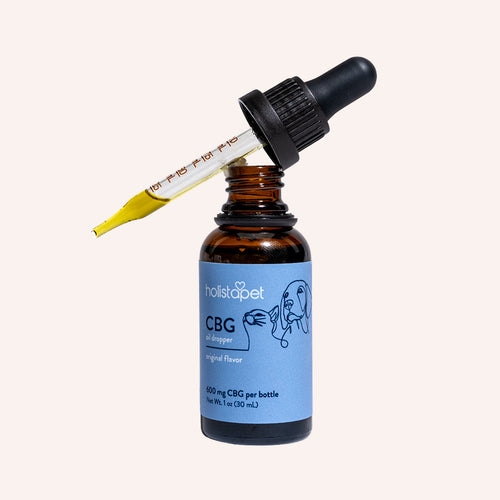 CBG Oil for Dogs and Cats - Loved by Thousands









Leave a comment
All comments are moderated before being published.
This site is protected by hCaptcha and the hCaptcha Privacy Policy and Terms of Service apply.