

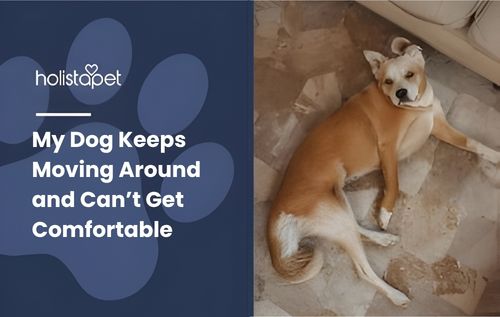
A dog that keeps shifting, circling, or lying down only to get back up often signals discomfort. This behavior can point to anything from minor restlessness to an underlying issue that needs attention.
Understanding the cause helps bring back calm, restful moments for both the dog and the household.
Why Is My Dog Restless?

Dogs become restless due to physical discomfort, stress, or unmet needs. Identifying the exact cause helps resolve the behavior quickly and prevent further issues.
- Physical pain or illness: Joint pain, injuries, or internal issues can make lying down uncomfortable.
- Anxiety or stress: Changes in environment or routine can trigger constant movement.
- Digestive discomfort: Gas or bloating can prevent a dog from settling, as noted in veterinary observations from the American Kennel Club.
- Temperature sensitivity: Dogs may shift spots when too hot or too cold.
- Need for exercise: Excess energy often leads to pacing and repeated repositioning.
- Skin irritation or parasites: Fleas, ticks, or allergies can cause constant fidgeting.
- Cognitive changes in older dogs: Age related decline can lead to restlessness, especially at night, according to the American Veterinary Medical Association.
- Attention seeking behavior: Some dogs move around to engage their owners or signal a need.
Related Post: Why Is My Dog Pacing and Won't Settle Down?
How Can I Help My Restless Dog?

Restlessness improves by addressing the underlying cause and making targeted changes to comfort, routine, and health.
|
Area of Support |
Key Action |
Expected Benefit |
|
Comfort |
Use supportive bedding |
Reduces physical strain |
|
Activity |
Increase exercise |
Burns excess energy |
|
Diet |
Adjust feeding routine |
Improves digestion |
|
Environment |
Maintain calm surroundings |
Lowers stress |
|
Calming Support |
Use Holistapet CBD products |
Promotes relaxation |
|
Veterinary Care |
Seek professional evaluation |
Identifies health issues |

Improve Physical Comfort
A dog needs proper support to rest without strain.
- Use an orthopedic bed to reduce pressure on joints.
- Keep the sleeping area clean and dry.
- Maintain a comfortable room temperature.
Research from the American Animal Hospital Association shows that supportive bedding helps reduce joint stress in dogs with mobility issues.
Increase Daily Activity
Movement and stimulation help regulate behavior.
- Add longer walks or structured playtime.
- Use puzzle toys for mental engagement.
- Stick to a consistent exercise routine.
The American Kennel Club states that regular physical and mental activity reduces restless behavior in dogs.
Support Digestive Health
Stomach discomfort can prevent settling.
- Feed smaller meals at regular times.
- Avoid abrupt diet changes.
- Watch for signs like bloating after meals.
Reduce Stress Triggers
A stable environment controlled behavioral research shows cannabidiol supplementation can improve stress responses in dogs exposed to separation and travel triggers.
- Keep a consistent daily schedule.
- Minimize exposure to loud or sudden noises.
- Provide a quiet resting space.
The American Veterinary Medical Association links consistent routines with lower stress levels in pets.
Consider Natural Calming Support
Some dogs need added support to relax. Holistapet formulates canine calming supplements using pet-specific dosing formats and broad-spectrum hemp extract that removes THC while preserving supportive cannabinoids, which improves consistency compared with many general hemp products designed primarily for human use.
- CBD Calming Chews for Dogs: Helps promote relaxation and ease stress-related behavior.
- CBD Oil for Dogs: Broad-spectrum CBD interacts with receptors in the canine endocannabinoid system that help regulate stress signaling, mood balance, and nervous system activity.
- CBD Dog Treats for Anxiety: CBD calming treats provide measured cannabinoid delivery through palatable formats that support consistent intake during predictable stress events such as travel, nighttime restlessness, or environmental changes.
Holistapet formulates its calming supplements with broad-spectrum hemp extract that removes THC while preserving supportive cannabinoids such as CBG and CBDA, which help maintain relaxation support without intoxicating effects. Veterinary behavioral research published in Frontiers in Veterinary Science reports measurable improvements in stress-related responses after controlled cannabidiol administration in dogs.
Rule Out Medical Issues
Ongoing restlessness may require professional evaluation.
- Schedule a veterinary check if symptoms persist.
- Monitor for signs like appetite changes or vocalization.
- Follow recommended treatments if needed.
When Do I Go to the Vet When My Dog Can’t Rest?

Visit a veterinarian when restlessness becomes persistent, severe, or paired with other unusual signs. Ongoing discomfort often signals an underlying medical issue that needs proper diagnosis.
- Restlessness lasts more than 24 to 48 hours.
- Difficulty lying down or constant repositioning continues.
- Signs of pain appear such as limping, whining, or stiffness.
- Appetite drops or drinking habits change.
- Vomiting, diarrhea, or bloating develops.
Some conditions require urgent care. Immediate attention helps prevent complications.
- Swollen or hard abdomen.
- Rapid breathing or panting without activity.
- Sudden behavioral changes or confusion.
- Inability to settle at all during the night.
The American Veterinary Medical Association states that behavioral changes often serve as early indicators of illness. Prompt evaluation improves outcomes and ensures proper treatment.
Dogs Can’t Stay Still for No Reason
A restless dog often signals discomfort that needs attention. Identifying the cause early and taking the right steps helps restore comfort and prevent more serious issues.
Browse more dog care blogs by Holistapet.
Frequently Asked Questions
Can a change in sleeping location affect my dog’s rest?
Yes. New environments can disrupt a dog’s sense of security and make it harder to settle.
Do certain dog breeds get restless more often?
Yes. High energy breeds like Border Collies and Huskies tend to show more restlessness without enough activity.
Can dehydration cause restlessness in dogs?
Yes. Low hydration levels can lead to discomfort and increased movement.
Does age affect how well a dog can rest?
Yes. Puppies often struggle with settling due to high energy, while senior dogs may experience disrupted rest from age related changes.
Can noise at night make my dog restless?
Yes. Sudden or constant noise can keep dogs alert and prevent them from relaxing.
Should I change my dog’s routine to improve rest?
Yes. A consistent daily schedule helps regulate behavior and promotes better rest.










Leave a comment
All comments are moderated before being published.
This site is protected by hCaptcha and the hCaptcha Privacy Policy and Terms of Service apply.