

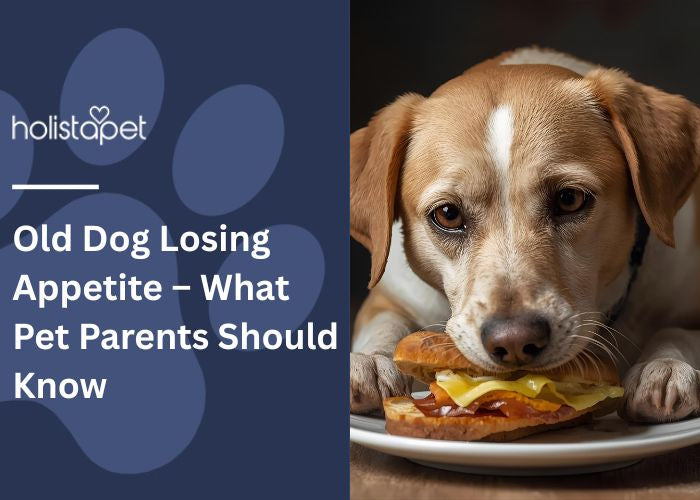
Nothing feels more puzzling than an old dog losing appetite. You put down a favorite meal, but instead of wagging excitement, your pup sniffs and walks away.
As dogs age, their senses of taste and smell fade, and food can seem less appealing. Sometimes, slower digestion or shifts in health that come with the golden years are to blame.
Skipping meals here and there may feel discouraging, but you’re not powerless. There are safe ways to bring the spark back to mealtime and help your senior pal enjoy food again.

Why Appetite Loss Happens in Senior Dogs
A senior dog losing appetite is common, and it often happens as a natural part of aging. As dogs grow older, their sense of smell weakens, and their taste buds dull. Dog food that once smelled irresistible may no longer excite them. Their metabolism slows, so they burn fewer calories and feel less hungry.
Slower digestion also plays a role. Meals may sit heavier in the stomach, and that can make eating feel less appealing. Dental issues, sore gums, or tender teeth may add another barrier.
In some cases, appetite dips point to illnesses like kidney disease, liver disease, or even cancer. While occasional disinterest is expected, sudden or long-lasting loss of appetite deserves attention. Safe, effective options exist to help restore hunger.

Common Causes of Appetite Loss in Older Dogs
Older dogs may lose interest in food for several reasons. Dental problems can make chewing painful. Digestive issues or a sensitive stomach may contribute as well. Illnesses affecting organs sometimes cause appetite changes, too.
Medications often bring side effects that lower hunger. Stress, nervous feelings, or big changes in routine may reduce eating as well. Each of these causes deserves closer attention, which we’ll explore in the next sections.
Dental Problems and Oral Pain
Dental problems are a leading reason older dogs avoid food. Gum disease, broken teeth, or oral infections can make every bite uncomfortable. Swollen gums, exposed roots, or abscesses create tenderness that turns eating into a struggle.
You might notice your pup dropping kibble, chewing on one side, avoiding dry food altogether, or leaving food and water bowls untouched. Bad breath, whining, or drooling can signal soreness, too. Untreated dental issues don’t just affect the mouth.
Bacteria can spread through the bloodstream and impact vital organs. Spotting these signs of dental disease early helps you connect decreased appetite to oral pain and get your dog the care they need.
Digestive Issues and Sensitive Stomach
An older dog may lose interest in food because their stomach feels unsettled. Aging bodies naturally slow digestion, which can cause bloating, constipation, or gas that makes eating less appealing. Upset stomach from bacteria, viruses, or parasites also creates discomfort.
Chronic problems like inflammatory bowel disease may bring diarrhea, vomiting, reduced food intake, or weight loss. Food sensitivities become more noticeable with age, and certain ingredients can irritate the gut.
Even stress can upset the balance of healthy bacteria, which affects hunger. When digestion feels off and your dog is not eating, mealtime becomes a challenge that needs careful attention.
Underlying Illnesses
Sometimes appetite loss signals underlying health issues in older dogs. Kidney disease can cause waste buildup in the blood, leading to mouth ulcers, queasiness, and poor appetite. Liver disease affects how the body handles toxins and nutrients, often making food less appealing.
Heart problems may cause fluid buildup in the belly or leave your dog too tired to eat. Cancer can drain energy or block digestion, and many tumors release substances that dull hunger.
Unlike gradual changes from aging, illness-related appetite loss often appears suddenly and comes with other warning signs. Quick action helps protect your dog's quality of life and overall well-being.
Side Effects of Medications
Many older dogs take daily medications, and some of these can reduce appetite. NSAIDs for joint aches may irritate the stomach lining and cause queasiness. Antibiotics often upset the gut, leading to gastrointestinal disease like diarrhea or vomiting that discourages eating.
Sedatives and calming pills may leave your dog too drowsy to care about food. Even drugs meant to help nausea sometimes have the opposite effect. When multiple prescriptions are mixed, the risk of appetite loss increases.
Watching your dog’s eating habits and monitoring other symptoms after starting a new medication is key. If meals stop due to your dog’s appetite loss, your vet can adjust the plan to keep food appealing.
Stress, Anxiety, or Environmental Changes
Older dogs often react strongly to changes in their surroundings. A move to a new home, loud noises, or even rearranged furniture can upset their eating habits. New pets or family members may cause agitation that lowers interest in food.
Fear of being alone also plays a role. Many dogs skip meals when their favorite human leaves. Stress hormones interfere with normal hunger signals and make eating feel less important.
Over time, skipped meals can lead to weakness, weight loss, and worsening of existing medical conditions. Keeping routines steady and creating calm spaces helps reduce stress and encourage your pup to eat again.

Is Appetite Loss in Older Dogs Always Serious?
A small dip in appetite is not always a crisis for senior dogs. As your pup ages, their metabolism slows, and their sense of smell and taste weaken. This natural shift can make food less exciting and cause skipped meals now and then.
Temporary changes may also come from minor stress, a new diet, or mild stomach upset. These usually pass within a day or two. But if your dog refuses food for longer than 24 to 48 hours, or shows vomiting, diarrhea, or sudden weight loss, it could be serious. At that point, a vet visit is best.
Signs Appetite Loss May Signal a Bigger Problem
It helps to know when a senior dog’s loss of appetite signals more than picky eating. Some signs point to deeper health concerns that need quick attention.
-
Rapid weight loss – Older dogs who shed pounds quickly may face kidney disease, cancer, or poor nutrient absorption. Fat and muscle loss weakens their body and immune system.
-
Persistent vomiting or diarrhea – Frequent stomach upset is often linked to gastrointestinal issues like pancreatitis or toxins.
-
Excessive fatigue or weakness – Appetite loss with low energy can mean anemia, heart trouble, or metabolic problems.
-
Refusal to eat for 24–48 hours – A dog not eating for this long raises the risk of muscle breakdown, organ stress, and serious illness.
How to Help a Senior Dog Regain Appetite
There are safe and effective ways to bring back your senior dog’s interest in food. Small adjustments can make mealtime easier and more enjoyable.
-
Switch to Softer or Wet Foods – Softer meals reduce chewing strain and smell stronger, which can tempt picky eaters.
-
Warm Meals Slightly – A little warmth boosts aroma and flavor, making food more appealing.
-
Offer Smaller, Frequent Meals – Three or four small servings are easier to digest and less overwhelming.
-
Create a Calm Eating Space – Quiet surroundings reduce stress and help your pup feel safe to eat.
-
Try Supportive Wellness Products – Probiotics, multivitamins, or safe appetite stimulants may improve digestion and appetite, but always check with your vet first.

Holistapet Products That May Help Restore Your Dog's Appetite
Holistapet transforms wellness into something your senior pup looks forward to. Each product features clean, natural ingredients, is backed by vets, and undergoes third-party testing. They’re flavorful, effective, and designed to restore appetite while lifting overall vitality in aging dogs.
-
Probiotic Soft Chews – A balanced gut sets the stage for stronger hunger. These chews improve digestion, soothe stomach troubles, and boost nutrient absorption. The tasty flavor makes them easy for seniors to enjoy, while the benefits leave you with a happier, more eager eater.
-
CBD Calming Chews – Stress and agitation can silence even the hungriest pup. These chews help calm nerves, ease discomfort, and bring appetite back to center stage. They taste like treats but deliver lasting relief, helping your dog relax and focus on food with confidence.
-
Multivitamin Soft Chews – Senior dogs often get picky, creating gaps in nutrition. These chews fill those gaps, support immune health, and fuel energy. Packed with flavor, vitamins, and minerals, they turn wellness into something irresistible, giving your pup the vitality needed to enjoy meals daily.
Beyond the great taste, Holistapet products target the root causes behind appetite loss. By addressing digestion, stress, and nutrition all at once, they help older dogs rediscover joy at the bowl, thrive in their golden years, and keep tails wagging.
When to See a Veterinarian
Knowing when to call the vet can save your senior dog from serious trouble. Rapid weight loss, especially with muscle wasting, often points to organ disease or cancer. Persistent vomiting or diarrhea lasting beyond a day quickly causes dehydration and weakens older pups.
Extreme fatigue, weakness, or trouble standing may signal metabolic problems or systemic illness. The biggest red flag is refusing food for more than 24 to 48 hours. At that point, professional care is urgent. A veterinarian can identify the cause and guide you on safe steps to protect your dog’s health.
Final Thoughts – Supporting Your Aging Dog’s Health
Caring for a senior dog means paying close attention to appetite and mealtime habits. Small changes may feel worrying, but with the right support, your pup can still thrive. Keep food enjoyable, watch for warning signs, and never hesitate to seek professional advice when something feels off.
Holistapet products can play a helpful role in this stage of life. With natural chews that support digestion, ease stress, and boost nutrition, you give your dog extra comfort and care. The golden years should be filled with wagging tails, cozy naps, and food bowls that empty with joy.






Leave a comment
All comments are moderated before being published.
This site is protected by hCaptcha and the hCaptcha Privacy Policy and Terms of Service apply.